
Trump Praises British Troops After Drawing Outrage at Comments Downplaying NATO’s Role in Afghanistan
Former US president seeks to clarify remarks amid criticism from allies and veterans over his assessment of the Afghanistan war

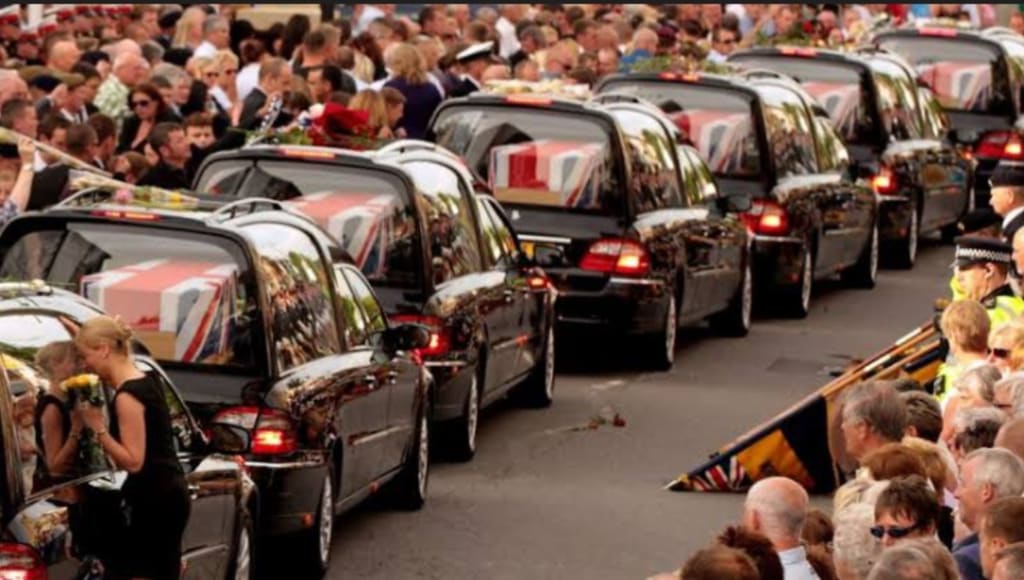
Former US president Donald Trump has praised British troops for their service in Afghanistan, days after his comments appeared to downplay NATO’s role in the two-decade-long conflict, sparking outrage among allies, military veterans, and political leaders across Europe. The episode has once again highlighted Trump’s controversial approach to foreign policy, particularly his views on alliances and multilateral military operations.
Controversial Remarks Ignite Backlash
The controversy began when Trump, speaking at a public event, suggested that the United States carried the overwhelming burden of the war in Afghanistan while NATO allies played a limited role. His remarks were widely interpreted as dismissive of the contributions made by partner nations, including the United Kingdom, which lost 457 service members during the conflict and committed tens of thousands of troops over the years.
Critics were quick to respond. British politicians from across the political spectrum condemned the comments, calling them inaccurate and disrespectful to the sacrifices made by UK forces. Veterans’ groups also voiced anger, arguing that such statements undermine the shared risks and losses experienced by coalition partners on the ground.
NATO officials, while stopping short of directly rebuking Trump, reiterated that the Afghanistan mission was one of the alliance’s most significant and complex operations, involving coordinated efforts by dozens of countries under difficult and dangerous conditions.
Trump’s Praise for British Forces
In response to the backlash, Trump issued a statement praising British troops, describing them as “brave, professional, and highly respected fighters” who stood “shoulder to shoulder” with American forces. He acknowledged the close military relationship between the United States and the United Kingdom, emphasizing what he called the “special bond” between the two nations.
Supporters of Trump argue that his praise was genuine and that his earlier remarks were intended to criticize NATO’s structure and burden-sharing arrangements rather than individual soldiers or national contingents. They say Trump has long argued that the US pays a disproportionate share of defense costs and that his comments should be viewed in that broader context.
Nevertheless, critics contend that the damage had already been done. They argue that praising troops after the fact does little to address the underlying message that NATO’s collective role in Afghanistan was somehow secondary or insignificant.
NATO’s Role in Afghanistan
NATO formally took command of the International Security Assistance Force (ISAF) in Afghanistan in 2003, marking the alliance’s first mission outside the Euro-Atlantic area. Over the next decade, troops from more than 50 countries contributed to combat operations, training Afghan security forces, and rebuilding institutions.
British forces were among the largest and most heavily engaged contingents, particularly in Helmand province, where they faced intense fighting against Taliban insurgents. Other NATO members, including Canada, Germany, France, Italy, and the Netherlands, also played key roles, sustaining significant casualties and financial costs.
Military historians note that while the United States provided the bulk of troops and resources, the mission was fundamentally multinational. Decisions were made collectively, and operational success often depended on close cooperation between allied forces.
Political and Diplomatic Implications
Trump’s comments come at a sensitive time for transatlantic relations. As global security challenges mount — from the war in Ukraine to instability in the Middle East — NATO unity is widely seen as crucial. Any suggestion that alliance contributions are undervalued risks undermining trust among partners.
British officials have been careful to strike a diplomatic tone. While defending the record of UK forces, they have avoided escalating the dispute, instead emphasizing the enduring strength of US-UK defense ties. Privately, however, diplomats have expressed concern that such rhetoric could weaken public support for alliances that rely heavily on political goodwill.
In the United States, reactions have been mixed. Some Trump supporters applaud his willingness to challenge what they see as outdated alliance arrangements. Others, including former military leaders, warn that dismissing allies’ sacrifices could harm morale and complicate future coalition operations.
Veterans and Families React
Perhaps the strongest reactions have come from veterans and the families of fallen soldiers. Many argue that political debates over burden-sharing should never overshadow the reality that soldiers from multiple nations fought, suffered, and died together.
British veterans interviewed by media outlets said Trump’s praise was welcome but insufficient. “Words matter,” one former soldier said. “When leaders talk about wars, they need to remember the people who paid the price.”
American veterans have echoed similar sentiments, noting that coalition partners often took on dangerous missions and operated under the same threats as US troops.
A Familiar Pattern
For observers of Trump’s political career, the episode fits a familiar pattern. Throughout his presidency, Trump frequently criticized NATO allies for not meeting defense spending targets, while also expressing admiration for individual soldiers and commanders. This dual approach — sharp criticism of institutions paired with praise for personnel — has often generated confusion and controversy.
As Trump remains a central figure in US politics, his remarks continue to carry significant international weight. Allies are likely to scrutinize future statements closely, especially as questions about America’s global role and commitments remain at the forefront of political debate.
Conclusion
Trump’s praise for British troops has helped ease some immediate tensions, but it has not fully erased the controversy sparked by his comments on NATO’s role in Afghanistan. The episode serves as a reminder of the sensitivity surrounding shared military history and the importance of careful language when discussing alliance contributions. For many veterans and families, recognition of sacrifice is not a matter of politics, but of respect — something they believe should never be in doubt.
About the Creator
Keep reading
More stories from Salaar Jamali and writers in The Swamp and other communities.
Investigation Reveals Israeli Campaign to Flatten Gaza Town of Beit Hanoon
An investigation into Israel’s military operations in the Gaza Strip has revealed a sustained campaign aimed at flattening the town of Beit Hanoon, a densely populated area in northern Gaza that has long been a focal point of conflict. Drawing on satellite imagery, eyewitness accounts, humanitarian assessments, and military analysis, the investigation highlights the extent of destruction in the town and raises serious questions about military objectives, civilian protection, and the future of Gaza’s urban landscape.
By Salaar Jamaliabout 12 hours ago in The Swamp
Google’s Gemini Sees Skyrocketing Business Sales
Artificial intelligence is no longer a futuristic concept reserved for tech giants and research labs. In 2026, AI has firmly planted itself at the center of everyday business operations — and Google’s Gemini is emerging as one of the biggest winners in this transformation. Over the past year, Gemini’s business sales have skyrocketed, signaling a major shift in how companies adopt, trust, and invest in AI-driven solutions.
By Muhammad Hassan7 days ago in The Swamp
Exchange Firm’s Licence Cancelled: What It Means for Investors and the Market
In a move that has sent ripples across the financial sector, regulators recently cancelled the licence of a major exchange firm, citing violations of compliance and financial regulations. The decision has sparked concern among investors, raised questions about oversight in the trading industry, and highlighted the importance of transparency and accountability in financial operations.
By Muhammad Hassan2 days ago in The Swamp



Comments
There are no comments for this story
Be the first to respond and start the conversation.