
The Rise in Political Toxicity: Democracy at a Breaking Point?
How Anger and Outrage Are Undermining Democracy

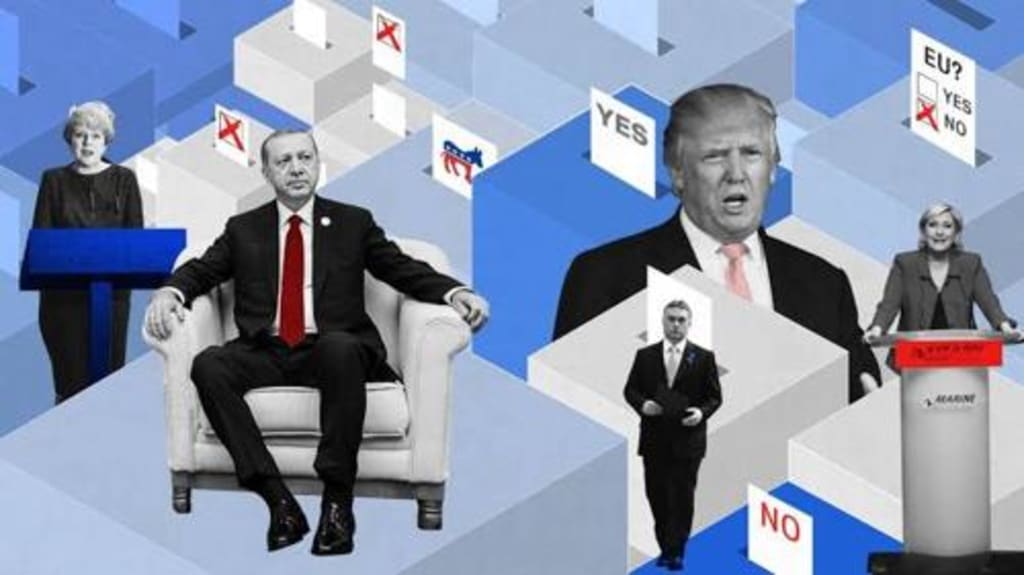
The Rise in Political Toxicity: Democracy at a Breaking Point?
In an age defined by rapid communication and algorithm-driven discourse, the global political landscape is growing darker, sharper, and more divisive. What once were platforms for robust debate and thoughtful governance are now often battlegrounds of vitriol, misinformation, and calculated outrage. The rise in political toxicity—fueled by social media, populist rhetoric, and growing ideological extremism—is not just a symptom of modern politics; it is becoming the central feature. Across democracies old and new, from the chambers of Western parliaments to the streets of developing nations, toxic political culture is eroding trust, silencing moderate voices, and threatening the very foundations of civil society.
A Global Phenomenon with Local Consequences
Political toxicity is no longer confined to the fringe. A recent large-scale study that analyzed nearly 18 million social media posts from elected officials in 17 democracies revealed a disturbing trend: the language of politics is becoming increasingly hostile, combative, and emotionally charged. Radical-right parties and opposition groups are especially prone to using inflammatory rhetoric—often attacking institutions, marginalized communities, or democratic processes themselves.
While each country faces unique circumstances, the pattern is clear. In the United States, bipartisan dialogue has become almost nonexistent, replaced by a toxic blend of partisan media, election denialism, and legislative gridlock. In India, political debate often spills into online harassment, sometimes targeting journalists, activists, or religious minorities. In Europe, rising far-right movements capitalize on fear and nationalism, frequently using scapegoating and conspiracy theories to galvanize support.
The Role of Social Media: Amplifier or Arsonist?
Social media has revolutionized how we communicate—but also how we polarize. Platforms like X (formerly Twitter), Facebook, and TikTok reward engagement, and engagement is most often driven by outrage. Politicians who use aggressive, divisive language are not punished; they’re promoted—by algorithms, by audiences, and by media coverage.
A toxic tweet spreads farther than a measured one. This creates an incentive structure where moderates are drowned out and extremists dominate the conversation. The result? An environment where disinformation thrives, nuance dies, and citizens become increasingly disillusioned with the democratic process.
Populism and the Politicization of Truth
At the heart of rising political toxicity lies the rise of populist leaders who thrive on division. These figures often frame politics as a battle between “the people” and “the elite,” blurring facts, rejecting expertise, and fueling anti-institutional sentiment. In such narratives, political opponents are not just wrong—they are enemies of the state, traitors, or threats to the nation.
This rhetoric doesn't just damage political discourse; it undermines institutions themselves. Courts are delegitimized, elections are called fraudulent without evidence, and the press is labeled “the enemy of the people.” When truth becomes negotiable, democracy becomes vulnerable.
The Psychological Toll and Civic Consequences
Political toxicity isn’t just a media issue—it’s a public health issue. Constant exposure to hostile rhetoric and polarizing debates leads to increased stress, anxiety, and political burnout. Studies show that young people, in particular, are disengaging from politics due to the hostility they witness online.
The civic implications are just as troubling. Voter turnout declines when people feel their voice doesn’t matter or fear conflict. Trust in government erodes. Polarization becomes entrenched, making coalition-building and compromise virtually impossible. The cycle is self-perpetuating: toxic politics begets dysfunctional governance, which in turn fuels more frustration and toxicity.
Can Democracy Detox?
Despite the bleak landscape, hope is not lost. There are emerging efforts across the globe to reclaim civility and restore trust in democratic discourse.
Civic education programs are being updated to teach digital literacy, empathy, and the importance of civil dialogue.
Social media regulation is being debated more seriously than ever, with governments exploring ways to hold platforms accountable for toxic content amplification.
Cross-party initiatives in countries like Germany, Canada, and New Zealand aim to build consensus on fundamental democratic values, even amid ideological differences.
Moreover, a growing number of citizens are demanding change. Movements that promote fact-based journalism, constructive political engagement, and grassroots dialogue are slowly gaining traction.
Conclusion: The Urgency of Now
The rise in political toxicity is not just a passing trend—it’s a defining challenge of our time. If left unchecked, it threatens to corrode democracies from within, replacing reason with rage and compromise with contempt. But if recognized and confronted, it also offers an opportunity: to rebuild a political culture grounded in respect, evidence, and shared purpose.
The choice is ours. We can allow toxicity to define our political future—or we can choose to detoxify, reconnect, and recommit to the ideals that make democracy worth defending.
About the Creator
World politics
shares simple and clear updates on global news, leaders, and events. We cover politics, conflicts, and international stories that shape the world. Stay informed and learn something new every day.
Keep reading
More stories from World politics and writers in The Swamp and other communities.
🇺🇸 U.S. Foreign Policy Under Trump: A Global Ripple Effect
U.S. Foreign Policy Under Trump: A Global Ripple Effect The return of Donald Trump to the U.S. presidency in 2025 has once again placed American foreign policy under the global spotlight, sparking significant shifts with wide-reaching consequences. Trump's approach to international relations, marked by nationalism, skepticism towards multilateral institutions, and a transactional mindset, has created waves that resonate far beyond American borders. These ripple effects are shaping global geopolitics, alliances, and international governance, with implications felt in global health, diplomacy, human rights, and security.
By World politics 8 months ago in The Swamp
As Trump Pushes Housing Affordability, His Mortgage Chief Undermines It
Affordable housing has become one of the hottest issues in American politics. From skyrocketing rents in urban centers to home prices that outpace wage growth, millions of Americans are feeling the squeeze. President Donald Trump recently highlighted housing affordability as a priority, promising policies aimed at making homeownership easier and more attainable. Yet, behind the scenes, his mortgage chief appears to be undercutting those very goals, raising questions about coherence in the administration’s approach. This contradiction is not just a policy quirk—it has real-world consequences for families trying to buy homes, investors watching the housing market, and communities struggling with affordability. Trump’s Push for Housing Affordability During recent speeches and public statements, Trump has stressed that making housing more affordable for Americans is a top priority. His proposals include: Expanding federal support for first-time homebuyers. Encouraging private sector investment in affordable housing projects. Streamlining regulations that, according to his administration, make housing unnecessarily expensive. These initiatives tap into widespread frustration over the housing crisis, which has only worsened in the past decade. In many cities, the gap between wages and home prices has widened so drastically that even middle-income families struggle to buy a modest home. Trump’s rhetoric on affordability appeals directly to voters, promising relief from soaring costs and signaling that his administration is responsive to everyday economic pressures. The Mortgage Chief’s Contradictory Actions Despite Trump’s stated goals, his mortgage chief, a key figure in the federal housing apparatus, has made decisions that seem to work against affordability. These include: Supporting higher fees or stricter lending requirements for federally backed mortgages. Maintaining interest rate policies that favor larger, wealthier borrowers over first-time or lower-income buyers. Delaying or limiting programs designed to expand access to affordable housing loans. These moves create tension between policy statements and actual administrative practices. While the president promotes accessibility, the mortgage chief’s actions effectively raise barriers for the very people Trump claims to help. Analysts say this kind of internal contradiction is not uncommon in government, but it can have serious consequences when it affects something as personal and financially critical as buying a home. Why This Matters for Homebuyers The disconnect between the president and his mortgage chief is more than political theater. For families hoping to buy their first home, it could mean: Higher upfront costs: Tighter lending requirements make down payments and fees harder to manage. Limited options: Stricter mortgage policies may exclude lower-income buyers from accessing certain loans. Uncertainty: Conflicting signals from the administration can create confusion about eligibility, program availability, and financial planning. For those already navigating the housing market, these contradictions add stress and financial strain. Families may delay buying, settle for smaller homes, or be forced to rent longer than intended—all outcomes that directly impact their economic stability. The Broader Market Impact The mortgage chief’s stance doesn’t just affect individual buyers. The housing market as a whole may experience: Slower growth in homeownership rates: If lending becomes more restrictive, fewer people will qualify to buy homes. Pressure on rental markets: More people renting due to barriers to homeownership can drive up rents, worsening affordability issues. Investor uncertainty: Conflicting policies make it harder for developers and investors to plan affordable housing projects. Economists warn that these kinds of contradictions can stall efforts to stabilize housing markets, leaving affordability as a persistent national challenge. Political Implications Politically, this disconnect could have significant consequences. Housing affordability is a key voter issue, especially among younger and first-time buyers. If Trump is seen as promoting policies that his administration simultaneously undermines, it may weaken his credibility on economic issues. Conversely, this tension offers an opportunity for critics of the administration to highlight policy inconsistencies, potentially framing the government as out of touch with the needs of ordinary Americans. Some political observers note that similar contradictions have appeared in past administrations, where high-level appointees implement rules that contradict public statements from leaders. The housing sector, however, is particularly sensitive because its effects are immediate and personal. Voices From the Field Housing advocates and community leaders have been vocal about the mixed messages coming from the administration. Many emphasize the importance of consistent, transparent policies to help first-time and low-income buyers. Community groups argue that without clear support for affordable lending, families will continue to face barriers to homeownership. Economists warn that inconsistent policies may discourage private investment in affordable housing projects. Homebuyers report confusion about which programs are truly accessible, adding stress to already complex financial decisions. These perspectives underscore the importance of alignment between leadership rhetoric and administrative action. Moving Forward: What Needs to Change For Trump’s housing affordability push to have a real impact, several adjustments may be necessary: Policy alignment: Ensure that statements from the White House match the actions of housing officials. Lending reforms: Focus on lowering barriers for first-time buyers without increasing risk to the financial system. Community engagement: Work with local housing groups to understand and address real affordability challenges. Transparency: Clearly communicate available programs, eligibility requirements, and changes to regulations. Without these measures, well-intentioned policies may fail to reach the people who need them most. Conclusion: The Gap Between Words and Action Housing affordability is a critical issue for millions of Americans, touching everything from family stability to economic opportunity. President Trump’s emphasis on making homes more accessible is politically popular and socially important. Yet, when key figures in his administration act in ways that undermine these goals, the promise of affordability risks becoming empty rhetoric. For policymakers, advocates, and homebuyers alike, the lesson is clear: intentions must align with execution. Until the administration resolves these contradictions, affordable housing will remain a contentious and unresolved issue, with real consequences for the families who need help the most. The challenge now is for the White House and its housing leadership to bridge the gap between promise and practice, ensuring that every American who dreams of owning a home has a clear, achievable path to make it a reality.
By Muhammad Hassan3 days ago in The Swamp


Comments (1)
The rise in political toxicity is a big problem. You mentioned how it's affecting different democracies. I wonder, what can regular people do to counter this? And how can we get social media platforms to take more responsibility? It's getting out of hand. Also, the examples from the US, India, and Europe show it's a global issue. How do we start having more productive political conversations again? Maybe we need to focus on finding common ground instead of attacking each other.