
Taxes
Оn taxation, which is part of public policy that helps ensure the fulfillment of public duties to citizens, such as the provision of social services, infrastructure improvements and other public functions

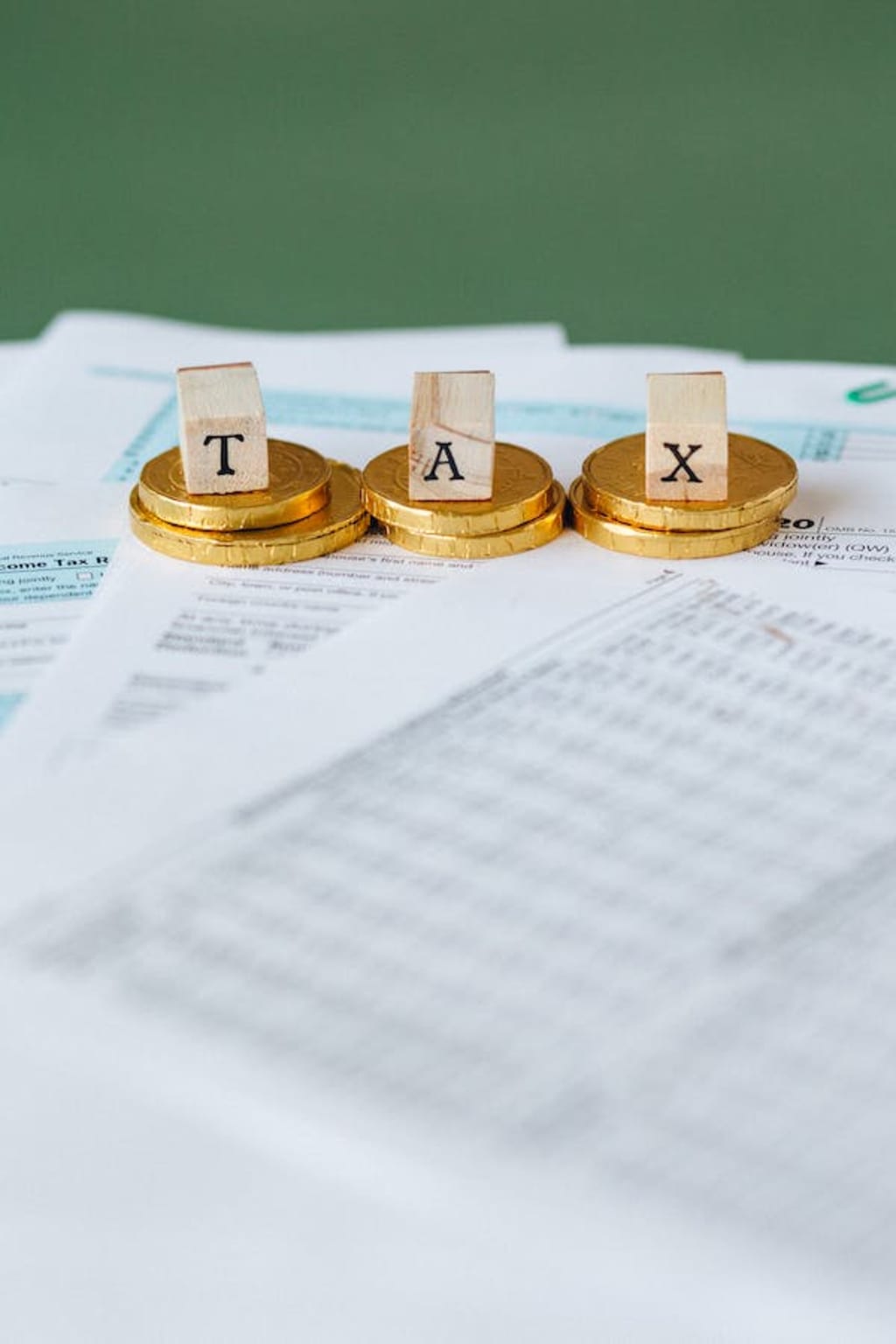
Taxation is a part of government policies, which help ensure that it performs its public duties for the citizens, such as providing social amenities, improving infrastructure, and other public functions. The government reaches its aim by applying principles of taxation that ensure that every citizen pays taxes and that the rate of fraud is eradicated. However, there is an argument for the rich to pay more taxes compared to other citizens who earn less. Thus, this paper is a discussion by plagiarism check of the validity of the argument that the rich should pay more taxes.
Taxes are compulsory levies that individuals and entities pay to the government to raise state revenue. The government, in turn, uses this money to fund expenditures to provide social amenities and infrastructure, lessen inequalities in the distribution of wealth in the society, and stabilize the economy in cases of inflation and deflation through monetary policies. Besides, the government uses taxes to manage its internal and foreign debts. The common taxes paid by Americans include income taxes paid at the federal, state, or local levels. Secondly, sales taxes are paid on all goods sold and purchased. Thirdly, excise taxes are charged on particular goods, such as cigarettes. Payroll taxes are paid by both employees and employers to pay for their social security, including Medicare and retirement benefits. The other main taxes imposed on the citizens are gift, estate, and property taxes. The government uses three tax systems to tax individuals. In regressive taxation, people with low incomes pay higher taxes than high earners. It is caused by the fact that the government ignores one's ability to pay the tax and instead levies the tax on the individual depending on the asset that he/she buys. Sales tax differs from state to state. For example, in California, a sales tax of 7.25% on an item is higher for the low earners as compared to the top earners. Secondly, proportional taxes have all wealth classes taxed at the same rate regardless of their income earned, where a fixed rate of 20% does not change with the change of revenue. Lastly, progressive taxes are assessed on income and business profits meaning the higher the assets and revenues that one has the higher the taxes that one is entitled to pay. One good example of progressive taxes is the estate taxes where the wealthy individuals own significant holdings.
Tax administration is an elaborate system that allocates the taxpayers the following responsibilities, which are mandatory in the law where evading or avoiding the payments through corrupt dealings is tantamount to a legal suit. First, the taxpayers are required to be honest and must prepare accurate tax returns to the requisite authorities. Besides, they should pay their taxes on the expected time to avoid related liabilities. Further, the taxpayers should not evade paying taxes by skipping certain months unpaid.
Thus, having understood what progressive taxes are, the question of discussion is whether progressive taxes is a fair tax policy since the highest tax burden rests on the wealthy and those who earn high incomes. The following are the reasons why the rich should pay more taxes. First, if the wealthy paid more taxes, the revenue collected would be used to repair the crumbling bridges and roads. Secondly, the public colleges and universities are overpopulated and require more funds to improve their infrastructure and build more facilities. Besides, the students coming from poor families cannot service student loans and there is a dire need to make education affordable for such students. Thirdly, most of those coming from poor backgrounds cannot afford health insurance. Consequently, taxing the rich would give the government extra revenue to provide affordable Medicare to such a population. Lastly, terrorism is a threat to national and global security presently. Thus, there is a need for more money to meet the rising security needs to protect citizens from terrorist activities. Therefore, since the money will be channeled to the avenues mentioned above, the rich should pay more in taxes than the average earners. Secondly, if the rich are taxed more, they could not feel the pinch of high taxes. It is caused by the fact that they have more wealth on top of their net income and can afford to pay the taxes without retaining the mark of their wealth. Secondly, the progressive tax is one to end the widening gap between the rich and the poor. Karl Max said that society has been divided into Bourgeois and Proletarians representing the rich and the poor respectively.
Thirdly, the records confirm that the wealth of the rich has been on the rise tremendously, since the beginning of the industrial revolution. As a result, these people possess much wealth and money compared to other people. Consequently, it will be fair for them to pay more taxes because they still do better unlike the low-income earners, who, if high taxes were imposed on them, would collapse economically. Besides, utilitarians argue for the benefit of every member of society stating that happiness is the end outcome for every individual in society. Thus, if taxing the rich more to benefit the poor will put some happiness in their lives, it is to some extent the right thing to do. However, it might not be justifiable for the rich, considering that the rich will not be happy, since they will have to bear a cost for the benefit of the poor.
Nations, such as Australia and Canada, are the countries whose high-earning citizens pay very high taxes. The consequence of this is that their economy is doing relatively well. Taking the nations as an example, it can be said that taxing the wealthy high taxes is a good way to improve the economy of a country. Since the wealthy control much of the taxable income, they should pay high taxes. Besides, theorists argue that taxes should be proportionate to how many benefits a person receives from living in a given society. Thus, the rich require much from the government in the form of providing security for their wealth and luxuries. Besides, another theorist, Andrew Carnegie, argues that the vast fortunes flowing from society should equally be returned to the community. This is one more reason why the rich ought to pay more in taxes.
On the other hand, the issue of taxing the rich more than the poor has raised much controversy in modern America with many rich people arguing that the country uses an unfair mode of administering taxes. First, the middle class of America is very rich where the average income is 50 times that of the world’s poorest. They equally belong to the world's 1% rich, since the majority of American citizens belong to the world’s richest. Thus, they should also pay taxes as high as the rich people. Secondly, the government wastes much money in the process of tax collection, and thus the tax money is not used appropriately. The government is wasteful in the following ways. First, it has employed many tax collectors who demand salaries for their jobs. The money spent on hiring the collectors could be used for other processes. Secondly, high taxes on industries negatively influence production. Fourthly, the hours spent as people file their tax returns could be used to do a productive business, and lastly, the government wastes much money on projects that fail, while other government officials have embezzled funds meant for the public. As a result, since the governments waste the taxes that they collect through direct and indirect loopholes, it becomes unnecessary to tax the rich higher than other people because the money collected is not used prudently. Moreover, it is not beneficial when the money of the rich is simply wasted.
Besides, since the wealth control major big businesses in the economy, enormous taxes, as George suggests, are a way of siphoning away their investments. Thus, many of these businessmen will take their businesses to foreign nations where taxes are favorable. In return, it will deter the growth of the domestic economy, as discouraged investors channel their activities elsewhere. Thirdly, most wealthy people own major businesses, which are required to pay more in the form of corporate taxes. Consequently, since it is a liability to the firm, most people fail to file their taxes with the necessary authorities, which leads to an increased rate of risk evasion, where the money is transferred to foreign banks. It becomes a huge loss for the government. Moreover, increasing taxes for the wealthy people may result in a war of the social classes where the poor will hate the rich for evading paying the taxes, while the rich will blame the poor for not working hard to ensure a decent living. Lastly, taxes form part of the commonwealth that every citizen shares. It is the reason why every citizen pays taxes depending on his/her ability and the money is used to fund our schools, secure borders, maintain roads, etc. Thus, the rich already pay enough in their capacity and it would be unfair to tax them higher.
Such theorists like Karl Max argue that taxes of any kind are an avenue for the state and government authorities to impose their control on the citizens. The government is very bureaucratic and many of its organs excessively control the population and primary functions in society by exposing their excess powers to the citizens. They tend to collect money from the people in the argument that they are using it for their benefit, but instead it does not benefit a majority of citizens. By servicing the state's debts, the citizens are subjected to labor burdens and submission by the government to pay the required taxes to service the loan. Therefore, taxing the rich more is a continuation of this bureaucracy in the present society.
Having evaluated the pros and cons of taxing, I can comfortably make the decisions that the wealthy should not pay more taxes because the governments waste most of the tax money through faulty collection procedures and corrupt practices of embezzling the collected taxes. Secondly, taxing the wealthy more on their businesses and income will cultivate the risk of tax evasion practices by the wealthy who want to protect their businesses from over taxation. At the same time, the wealthy would channel their investments elsewhere, which could result in economic loss, as well as loss of revenue for the governments.
Conclusion
From the above essay, it is evident that taxing the rich higher taxes than the other taxpayers is controversial today. Those who argue for it explain their position by saying that it is the only way to control the widening gap between the rich and the poor. Besides, they argue that since the wealthy have more money, they are in a better position to pay more taxes than other income earners. On the other hand, those against it argue that taxes are being wasted on corrupt activities and unnecessary expenditures, such as having many workers in the tax administration system. Another wasteful way is the loss of production during hard times when the businesses cannot meet the high tax demands. Besides, taxing the rich higher amounts will increase the risk of task evasion, which will deny the governments their revenues and hurt the economy. Thus, I will argue that the government should not demand more from high earners due to the reasons mentioned above, including wasteful usage of the collected revenue.
About the Creator
Donna White
During my studies every minute, every day I tried to realize my dream in the field of science. As an employee of Plagiarismsearche.com, for me, as a technical supervisor and research supervisor.
Keep reading
More stories from writers in The Swamp and other communities.
Zack Polanski: Thinks He Can Persuade Reform Voters to Support Him.
The Green Party has always been present in British politics. Known for their green and environmental politics. To begin with, they had one female MP; now they have four. Similar to their right-wing opponents, Reform UK, which also has 4 MPs.
By Nicholas Bishop2 days ago in The Swamp
DAVOS 26: Nestlé to Expand Operations in Pakistan with $60 Million Investment
Nestlé, the world-renowned food and beverage company, announced at the 2026 World Economic Forum in Davos that it plans to expand its operations in Pakistan with a $60 million investment. This move underscores the company’s long-term commitment to the Pakistani market and highlights the country’s growing potential as a hub for food manufacturing and innovation.
By Muhammad Hassan3 days ago in The Swamp


Comments
There are no comments for this story
Be the first to respond and start the conversation.