finance
Money talks; reviewing the global economy, government spending, taxes, and economic policy that affect our social and political future.
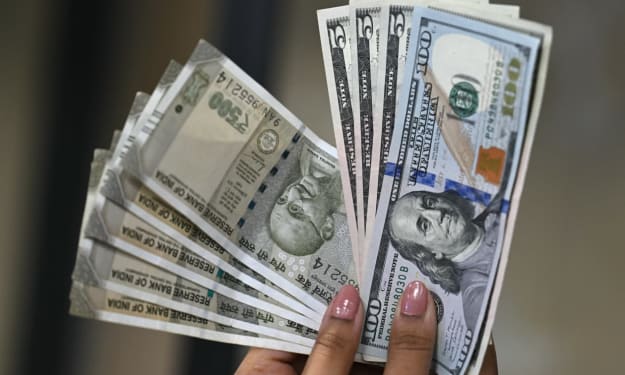
Gold Extends Rally to Seven Days as Trade War and FX Fears Roil Global Markets. AI-Generated.
Gold prices have extended their rally for a seventh consecutive day, reflecting growing anxiety across global financial markets. Heightened trade war tensions, combined with foreign exchange (FX) volatility and fears of economic slowdown, have pushed investors toward safe-haven assets, with gold emerging as one of the primary beneficiaries.
By Aarif Lashariabout a month ago in The Swamp
Vets May Be Required to Publish Prices for Common Pet Treatments. AI-Generated.
Veterinary practices across the UK may soon be required to publish prices for common pet treatments, following growing concerns over affordability, transparency, and competition within the industry. The move comes amid rising frustration from pet owners who say they are often left in the dark about costs until after treatment has begun.
By Ayesha Lashariabout a month ago in The Swamp
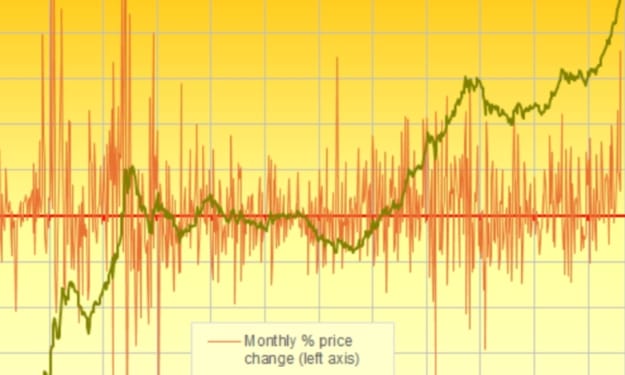
$5,000 Gold Beats 1999 Central Bank Shock, Silver Strongest Since Hunt Brothers’ Corner. AI-Generated.
A Historic Moment for Precious Metals The global financial markets are witnessing a moment that many analysts once considered unthinkable: gold breaking the $5,000 per ounce barrier, surpassing the shock levels seen during the 1999 central bank gold sell-off, while silver posts its strongest performance since the Hunt brothers’ attempted market corner in 1980.
By Aarif Lashariabout a month ago in The Swamp
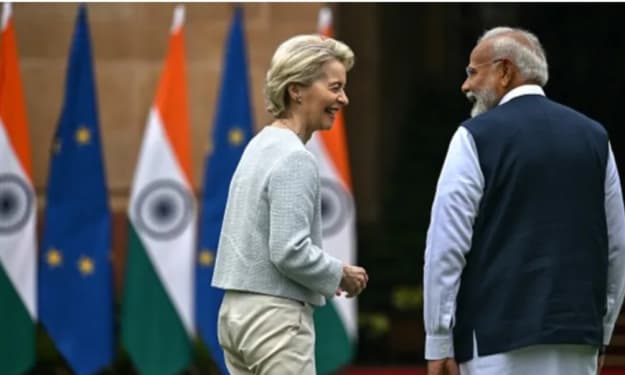
European Stocks Rise After EU Secures ‘Mother of All Deals’ With India; Dr Martens Shares Drop 12%. AI-Generated.
EU-India Trade Deal Sparks Optimism European stocks surged after news broke of a landmark trade deal between the European Union and India, described by officials as the “mother of all deals.” Investors reacted positively, anticipating stronger economic ties, increased trade flows, and business opportunities across sectors including manufacturing, technology, and services.
By Aarif Lashariabout a month ago in The Swamp
Heathrow Shake-Up Allows Passengers to Keep Liquids in Larger Containers Through Security. AI-Generated.
Heathrow Security Update Heathrow Airport has announced a significant change in security procedures: passengers can now carry liquids in containers of up to two litres in their hand luggage. This update comes as part of a broader effort to streamline passenger experience and reduce delays at security checkpoints.
By Aarif Lashariabout a month ago in The Swamp
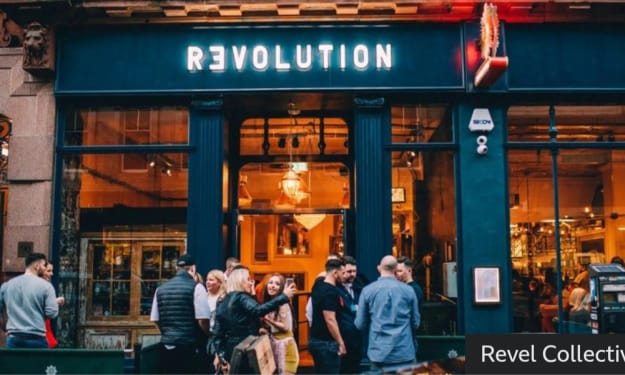
Revolution Bars to Enter Administration With 2,200 Jobs at Risk. AI-Generated.
Revolution Bars Faces Financial Strain Revolution Bars, a well-known chain of bars across the UK, has announced that it will enter administration, putting more than 2,200 jobs at risk. The company cited financial pressures, including rising operating costs, rent increases, and challenging trading conditions, as key factors behind the move.
By Aarif Lashariabout a month ago in The Swamp
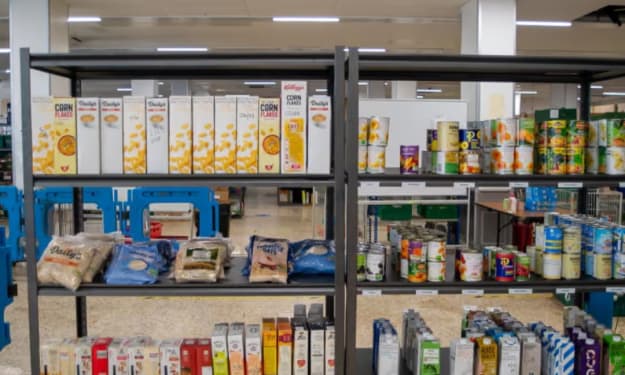
Record Number of People in UK Live in ‘Very Deep Poverty’, Analysis Shows. AI-Generated.
Alarming New Figures A recent study has shown that a record number of people in the UK are living in ‘very deep poverty’, defined as having less than 50% of the national median income. The analysis, conducted by [Research Organization/Institute Name], indicates that millions of households are struggling to meet basic needs such as food, heating, and shelter.
By Aarif Lashariabout a month ago in The Swamp
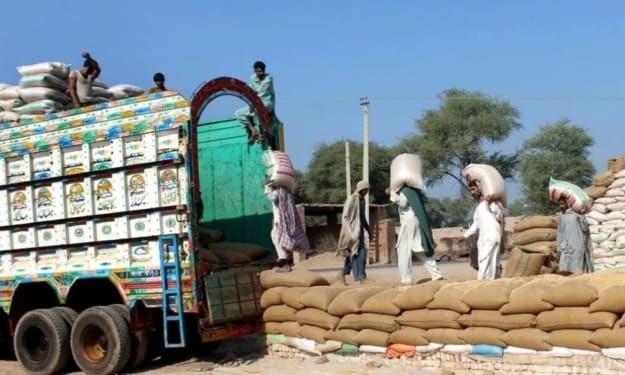
Punjab Approves Largest-Ever ‘Ramazan Nigehban Package’. AI-Generated.
A Historic Step for Community Welfare The Punjab government has approved its largest-ever ‘Ramazan Nigehban Package’, a welfare program designed to provide essential support to low-income families during the holy month of Ramazan. The initiative aims to ensure food security, reduce economic burden, and foster community well-being across the province.
By Aarif Lashariabout a month ago in The Swamp