
$5,000 Gold Beats 1999 Central Bank Shock, Silver Strongest Since Hunt Brothers’ Corner
Gold’s historic surge past $5,000 and silver’s strongest performance since the Hunt brothers’ era signal a seismic shift in global markets, investor confidence, and monetary trust.
A Historic Moment for Precious Metals
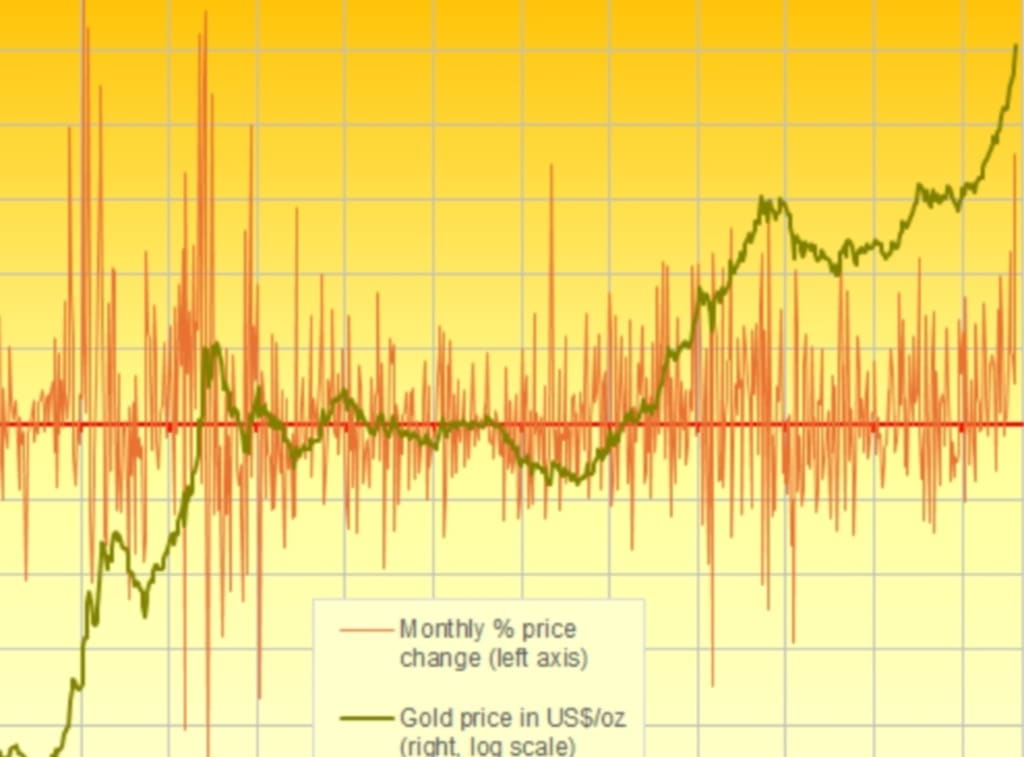
The global financial markets are witnessing a moment that many analysts once considered unthinkable: gold breaking the $5,000 per ounce barrier, surpassing the shock levels seen during the 1999 central bank gold sell-off, while silver posts its strongest performance since the Hunt brothers’ attempted market corner in 1980.
This dramatic rally in precious metals is not merely a speculative surge. Instead, it reflects deep-rooted economic anxieties, geopolitical instability, inflation fears, and waning confidence in fiat currencies. For investors, policymakers, and everyday savers, this moment carries profound implications.
Why Gold at $5,000 Matters
Gold has always been a store of value, but crossing $5,000 per ounce places it firmly in historic territory. The last comparable shock to the gold market occurred in 1999, when central banks aggressively sold gold reserves, temporarily suppressing prices and signaling confidence in fiat currencies.
Today’s situation is the opposite. Central banks are buying gold at record levels, especially in emerging economies. This shift suggests a growing desire to reduce dependence on the US dollar and hedge against global uncertainty.
Key drivers behind gold’s surge include:
Persistent inflationary pressures
Rising sovereign debt worldwide
Geopolitical conflicts and trade tensions
Concerns over currency debasement
Gold’s rise is not just about price — it’s about trust.
Silver’s Explosive Comeback
Silver’s surge is equally remarkable. Analysts are comparing current conditions to the late 1970s, when the Hunt brothers attempted to corner the silver market, driving prices to historic highs. While today’s rally is fundamentally different, the comparison underscores silver’s strength.
Unlike gold, silver plays a dual role:
A monetary metal
A critical industrial resource, used in solar panels, electric vehicles, and electronics
With the global push toward renewable energy and electrification, silver demand has skyrocketed. At the same time, mining supply has struggled to keep pace, creating a powerful imbalance.
Central Banks Are Sending a Message
One of the most telling signals behind the precious metals rally is central bank behavior. Institutions that once dismissed gold as a “barbarous relic” are now accumulating it aggressively.
This reversal highlights growing concern about:
The sustainability of massive fiscal deficits
The long-term value of paper currencies
Financial system fragility
Gold’s rise beyond 1999 levels represents not just a market event, but a philosophical shift in global monetary thinking.
Inflation, Interest Rates, and Investor Psychology
High interest rates typically pressure gold prices, yet gold continues to rise. This contradiction suggests that investors are looking beyond short-term monetary policy and focusing on structural risks.
Rising living costs, housing affordability crises, and stagnant wages have pushed both institutional and retail investors toward tangible assets. Silver, often called “the poor man’s gold,” has benefited from this shift, attracting new buyers seeking affordability and growth potential.
What This Means for Everyday Investors
For everyday investors, the surge in gold and silver raises important questions: Is it too late to buy? Are prices sustainable?
Experts caution against chasing hype but acknowledge that precious metals remain powerful hedges in uncertain times. Gold offers stability, while silver provides higher volatility and growth potential. Diversification, rather than speculation, remains the guiding principle.
Financial planners stress that precious metals should be seen as insurance, not a get-rich-quick strategy.
Echoes of the Past, Lessons for the Future
The 1999 gold sell-off and the Hunt brothers’ silver saga are reminders that markets can be influenced by policy decisions and human behavior. Today’s rally differs in one crucial way: it is driven by systemic uncertainty rather than manipulation.
Digital currencies, rising nationalism, and fragmented global trade have all contributed to a world where traditional assumptions no longer hold.
A Broader Economic Warning Signal
Gold at $5,000 and silver’s historic strength may be signaling deeper trouble ahead. Some economists view the rally as a warning sign of financial instability, rather than a celebration.
When investors flock to hard assets, it often reflects fears about:
Banking system resilience
Government debt sustainability
Long-term economic growth
In this sense, precious metals are acting as economic barometers, measuring stress within the global system.
The Road Ahead
Whether gold continues to rise or experiences corrections, its breakout above $5,000 marks a psychological and historical milestone. Silver’s resurgence further confirms that investors are rethinking risk, value, and security.
As markets navigate inflation, geopolitical tension, and technological change, precious metals have reclaimed their role as anchors of confidence in an uncertain world.
Conclusion
Gold surpassing $5,000 and silver reaching levels unseen since the Hunt brothers’ era represent more than impressive market statistics. They reflect a fundamental shift in global financial sentiment, echoing mistrust in traditional systems and renewed faith in tangible value.
For investors and policymakers alike, this moment demands attention. History shows that when gold and silver speak this loudly, the world is listening — whether it chooses to act is another question entirely.
About the Creator
Keep reading
More stories from Aarif Lashari and writers in The Swamp and other communities.
Cat6 Hits the Sweet Spot for Home Networks
Why Home Networks Are More Important Than Ever In the digital age, homes are becoming miniature digital hubs, with multiple devices requiring fast, stable internet connections. From streaming 4K videos and online gaming to smart home devices and remote work setups, traditional Wi-Fi alone often cannot meet the growing demands.
By Aarif Lashariabout 6 hours ago in The Swamp
Ghost Mode or Electronic Spoofing? How USS Abraham Lincoln Can Confuse Iran’s Surveillance
Advanced naval tactics keep aircraft carriers one step ahead The USS Abraham Lincoln, one of the United States Navy’s most advanced aircraft carriers, is not just a floating fortress—it is also a master of electronic deception and stealth tactics. With rising tensions in the Persian Gulf, analysts are examining how the carrier can confuse Iranian surveillance and maintain operational security while projecting power in sensitive regions. Through a combination of ghost mode maneuvers, electronic spoofing, and advanced radar countermeasures, the USS Abraham Lincoln can operate effectively in contested waters while minimizing risk to its crew and aircraft. Understanding “Ghost Mode” Ghost mode is a term used to describe maneuvers that make a ship less visible to enemy radar and tracking systems. Techniques include: Adjusting speed and heading to reduce detectability Using radar-absorbent materials or coatings Operating in ways that blend with natural sea clutter For Iran’s surveillance systems, a carrier in ghost mode becomes harder to track, creating uncertainty about its location and intended operations. This can provide a strategic advantage, especially in regions where adversaries rely heavily on radar and satellite intelligence. Electronic Spoofing Explained Electronic spoofing involves sending false signals to enemy sensors, making them believe a ship is somewhere it is not. The USS Abraham Lincoln can deploy: Decoy signals that mimic radar reflections from a larger or smaller vessel Simulated electronic footprints that confuse tracking systems Jamming or misleading communications to prevent accurate detection By combining these measures, the carrier can mask its movements and protect high-value operations from surveillance and targeting. Why These Tactics Matter In the Persian Gulf and surrounding waters, tensions between the US and Iran have been high due to regional conflicts, strategic chokepoints, and contested waters. Advanced surveillance technology allows Iran to monitor naval activity, but the Abraham Lincoln’s countermeasures reduce the risk of being tracked or targeted. The benefits of these tactics include: Crew Safety – By avoiding detection, the ship reduces the risk of missile or drone attacks. Operational Flexibility – Commanders can plan exercises or patrols without revealing intentions. Strategic Advantage – Confusing adversaries forces them to allocate more resources to tracking, creating openings for US operations elsewhere. Integration with Carrier Capabilities The USS Abraham Lincoln is equipped with advanced radar, sensors, and aircraft, which all contribute to its ability to operate in contested environments. Ghost mode and electronic spoofing are integrated with: Fighter jet sorties for surveillance and defense Electronic warfare aircraft that extend the carrier’s reach and disrupt adversaries Communication networks that remain secure while spoofing enemy systems These combined capabilities allow the carrier to project power while staying largely undetected. Regional Implications For Iran, the presence of a stealthy and deceptive carrier can complicate decision-making and risk assessment. Surveillance systems may indicate a threat where none exists or fail to detect real operations. Experts note that these tactics are part of a broader strategy of deterrence, signaling that the US can maintain superiority without direct confrontation. They also emphasize that such operations help protect vital shipping lanes and allied interests in the region. The Role of Electronic Warfare Electronic warfare (EW) plays a central role in the Abraham Lincoln’s ability to confuse surveillance. EW capabilities allow the carrier to: Jam or disrupt radar systems Deploy decoys to mimic ship movements Communicate securely while creating false signals for adversaries In modern naval conflict, EW can be as important as traditional firepower, allowing forces to operate undetected and maintain the upper hand in high-risk scenarios. Training and Operational Readiness These tactics require highly trained personnel and coordination. Pilots, sailors, and electronic warfare specialists practice simulated scenarios to ensure the ship can respond to real-world threats. Routine exercises test the carrier’s ability to: Confuse multiple radar systems simultaneously Operate in high-density maritime environments Coordinate with escort ships and aircraft while maintaining stealth By continuously refining these skills, the USS Abraham Lincoln remains ready for unpredictable regional tensions. Global Significance While this discussion focuses on Iran, the techniques used by the Abraham Lincoln are relevant globally. Modern aircraft carriers operate in regions where adversaries may have advanced surveillance, and the ability to mask movements and protect assets is a critical component of national security. Allies also benefit indirectly, as the carrier’s presence and capability enhance maritime security and strategic stability across key trade routes and international waters. Conclusion The USS Abraham Lincoln demonstrates that modern naval power is more than firepower—it’s information, deception, and technology. Ghost mode and electronic spoofing allow the carrier to confuse adversaries like Iran, protect its crew and aircraft, and maintain operational flexibility in sensitive regions. As surveillance technology advances worldwide, the importance of electronic warfare, stealth tactics, and strategic training will continue to grow. For the US Navy, combining these capabilities ensures that carriers like the Abraham Lincoln remain formidable, adaptable, and ready for any challenge on the high seas.
By Fiaz Ahmed about 2 hours ago in The Swamp
The Latest: Trump’s Plane Delayed on the Way to Second Day of Davos Economic Forum
In an unexpected twist early Wednesday morning, U.S. President Donald Trump’s trip to the prestigious World Economic Forum (WEF) in Davos, Switzerland was temporarily derailed after a minor electrical malfunction forced his official aircraft to return to the United States shortly after departure. The incident — though described by the White House as a precaution — delayed Trump’s arrival as he prepared to participate in the second day of the summit, where global leaders are debating pressing economic, geopolitical and security concerns.
By Salaar Jamali6 days ago in The Swamp


Comments
There are no comments for this story
Be the first to respond and start the conversation.