activism
Grassroots campaigns have proven instrumental in bringing about political, social or environmental change; you've got to start somewhere-might as well start here.
Why Black History Matters in America?. Top Story - February 2026.
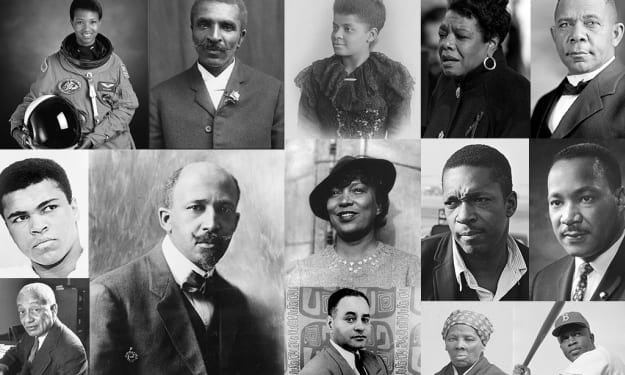
The United States of America is celebrating their 250th anniversary in 2026. I'm proud to be an American and as someone who was born here, I wouldn't imagine myself living anywhere else. This is a country where opportunities are possible. Where anyone can be successful in anything they desire to do. Equality, community, and togetherness are the backbones of what America is and should be about. However, we have an administration who wants to erase and disregard those who have made positive, meaningful impacts in our country, specifically Black figures, such as Martin Luther King, Jr., Rosa Parks, and Maya Angelou. President Trump and his administration have been constantly complaining and fighting against what they call the "Woke agenda". They use this excuse as a distraction from other issues they refuse to address, such as the high cost of living, climate change, and inflation. That equality is dividing America, when in reality, it's bringing us together. Being woke is not tied to a specific political party. No matter where you stand on the political spectrum, you can still care about other people and their plights. Compassion and empathy for others isn't tied to a political party, either. We were taught as children to treat others the way we want to be treated and not judge others because they're different from us. Caring about others isn't a personal attack on your beliefs. It doesn't make you any less of a person. People who are easily offended over African American figures, past or present, or anything related to it, are grasping at straws. Current and future generations need to know who people like Harriet Tubman and Shirley Chisholm were, especially in the classroom. Black History is part of American History. It should be recognized, not hidden or forgotten. Besides, you can't shield children from everything, just because your feelings are easily hurt.
By Mark Wesley Pritchard 29 days ago in The Swamp
30 Days to Better Habits: A Simple Step-by-Step Guide for Forming Habits That Stick. AI-Generated.
Changing your life doesn’t always require a massive overhaul. Often, small, consistent habits are the secret to long-term success. Research shows that most people fail to stick to new habits not because they lack motivation, but because they underestimate the importance of structure, consistency, and incremental progress. This guide will help you build better habits in 30 days, using a simple, step-by-step framework that is practical, actionable, and sustainable. Why Habits Matter Habits shape who we are Our daily actions define our lives. Tiny decisions repeated consistently become patterns that shape our identity. Whether it’s drinking water regularly, exercising, or reading daily, habits are the building blocks of success. The science behind habits According to behavioral science, habits form through cue → routine → reward loops. By understanding this loop, you can replace destructive habits with productive ones. Key points: Cue: The trigger that starts the habit Routine: The action you perform Reward: The benefit your brain receives, reinforcing the habit By consciously designing these loops, you can hack your brain to stick to new routines. Step 1: Choose One Habit at a Time Trying to change too much at once leads to burnout. Focus on one habit for 30 days. Examples of beginner-friendly habits: Drinking 8 glasses of water daily Walking 10,000 steps a day Reading 10 pages every morning Journaling before bed Concentration on a single habit ensures higher success rates and reduces overwhelm. Step 2: Make It Easy to Start Human brains resist change, so start small. Instead of promising to run 5 miles daily, begin with 5 minutes of walking or jogging. Tips for simplicity: Break habits into micro-actions Place cues in plain sight (water bottle on desk, running shoes by bed) Remove friction that discourages starting Starting small reduces mental resistance and builds momentum. Step 3: Anchor Habits to Existing Routines Use habit stacking to make your new habit automatic. Pair it with something you already do. Examples: After brushing your teeth → floss After morning coffee → meditate 5 minutes After lunch → take a short walk This technique leverages existing neural pathways, making the new habit easier to remember and maintain. Step 4: Track Your Progress Tracking helps your brain visualize success. Even simple checkmarks on a calendar trigger a sense of achievement. Effective tracking strategies: Habit tracker apps (Habitica, Strides) Calendar check-ins Journaling daily reflections Seeing progress builds psychological reinforcement, making the habit more likely to stick. Step 5: Reward Yourself Habits stick when there’s a positive reward. The reward doesn’t need to be material — a small mental pat on the back works. Reward ideas: Celebrate completing a week without missing the habit Enjoy a small treat or leisure activity Share your success with a friend for accountability Positive reinforcement strengthens your habit loop, making the behavior automatic over time. Step 6: Embrace Consistency, Not Perfection Missing a day isn’t failure; inconsistency is natural. Focus on getting back on track immediately. Tips: Aim for “most days,” not perfection Forgive lapses and analyze what caused them Adjust routines to reduce friction Consistency matters more than intensity. Over time, repeated small actions compound into significant change. Step 7: Reflect Weekly Weekly reflection helps you identify obstacles and successes. Ask yourself: Did I follow my habit every day? What challenges did I face? How can I improve next week? Reflection reinforces self-awareness, allowing you to optimize habits and prevent stagnation. Step 8: Gradually Increase Complexity Once a habit is solid, increase its intensity. For example: Start with 5 push-ups daily → increase to 20 Read 10 pages → increase to 20 pages This gradual scaling prevents overwhelm while maximizing progress. Step 9: Build Accountability Tell someone about your habit. Accountability creates social pressure and motivation. Methods: Share progress with a friend or mentor Join habit-focused groups online Post updates on social media (if comfortable) External accountability amplifies your commitment and increases the likelihood of sticking to your habit. Step 10: Mind Your Environment Your environment influences behavior. Design your space to support good habits and hinder bad ones. Examples: Place fruits on the counter, hide junk food Keep workout clothes ready Remove distractions during focus time A habit-friendly environment makes positive behaviors automatic and reduces reliance on willpower. Common Pitfalls and How to Avoid Them Setting unrealistic goals → Break into smaller steps Neglecting rewards → Celebrate milestones Ignoring failures → Analyze and adjust Trying to change too much at once → Focus on one habit Lack of tracking → Keep a habit log Avoiding these pitfalls increases success rate dramatically. Why 30 Days Works Psychologists suggest that 30 days is enough to establish a new habit, though some may take longer. The key is continuous repetition, supported by reward and tracking mechanisms. After 30 days: Actions begin to feel automatic You experience visible progress Your identity shifts slightly (e.g., “I am a person who exercises daily”) Case Studies: Habits That Stuck 1. Sarah’s Morning Routine Sarah struggled to wake up early. She started with 5 minutes of stretching every morning after brushing her teeth. Within 30 days, her body and mind adapted, and she extended the routine to 30 minutes of yoga, feeling more energized daily. 2. Mark’s Reading Habit Mark wanted to read more. He began with 10 pages every night before bed. By tracking progress in an app and rewarding himself with a coffee after each week, he formed a sustainable reading habit, completing multiple books in 90 days. These examples show that small, incremental habits compound into lasting lifestyle changes. Conclusion: Your 30-Day Habit Challenge Forming lasting habits doesn’t require extraordinary willpower. By following this 10-step guide, you can build habits that stick: Choose one habit Make it easy to start Anchor to existing routines Track progress Reward yourself Focus on consistency Reflect weekly Gradually increase intensity Build accountability Optimize your environment Start today, follow this framework, and watch small actions transform your life. A single habit repeated for 30 days can become the foundation for a lifetime of positive change.
By Zahid Hussainabout a month ago in The Swamp
Who Was Alex Pretti? Inside the Minneapolis Shooting That Shook America
On January 24, 2026, Minneapolis — a city still grappling with fraught tensions around federal immigration enforcement — became the scene of a deeply polarizing event that has captured national attention and millions of searches online: the fatal shooting of Alex Jeffrey Pretti by U.S. Border Patrol agents. What began as another protest over immigration policy quickly turned into a crisis of public confidence, intense political debate, and a personal tragedy that has resonated far beyond the streets of Minnesota.
By Bevy Osuosabout a month ago in The Swamp
The Architecture of the Empty. Content Warning.
"In a world increasingly obsessed with 'hollow thinking' where people are reduced to units and human dignity is phased out of the budget the act of creation becomes a form of resistance. This piece was born from a week of rigid rules and 'authoritarian bull shit,' but it ends in the only place the parasites cannot reach: the sanctuary of the imagination.
By Vicki Lawana Trusselli about a month ago in The Swamp
The Remarkable, Heroic Life of Ted Williams
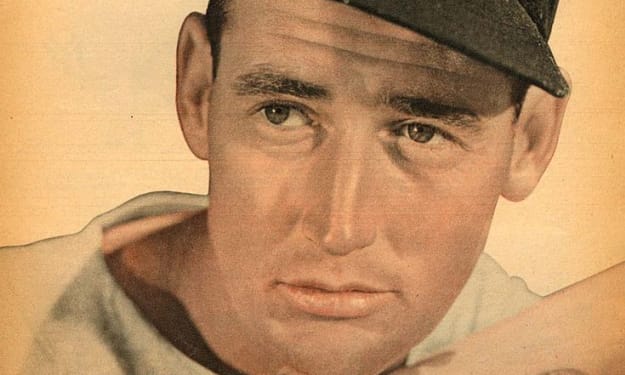
When you think of the Boston Red Sox, names such as David Ortíz, Pedro Martínez, and the late Tim Wakefield come to mind. However, the Red Sox player who is the focus of this story is none other than Ted Williams. Even if you're not a baseball fan, you've probably heard of his name at least once. Towards the end of this story, I'll share the one admirable thing Williams had done to get Major League Baseball's attention. But first, let's get to know the Hall of Famer's life and career.
By Mark Wesley Pritchard 2 months ago in The Swamp