
Swiss Voters Reject Proposed Tax on Super Rich with 79%, Public Broadcaster Estimates
Swiss citizens overwhelmingly say no to a 50% inheritance tax targeting ultra-wealthy families

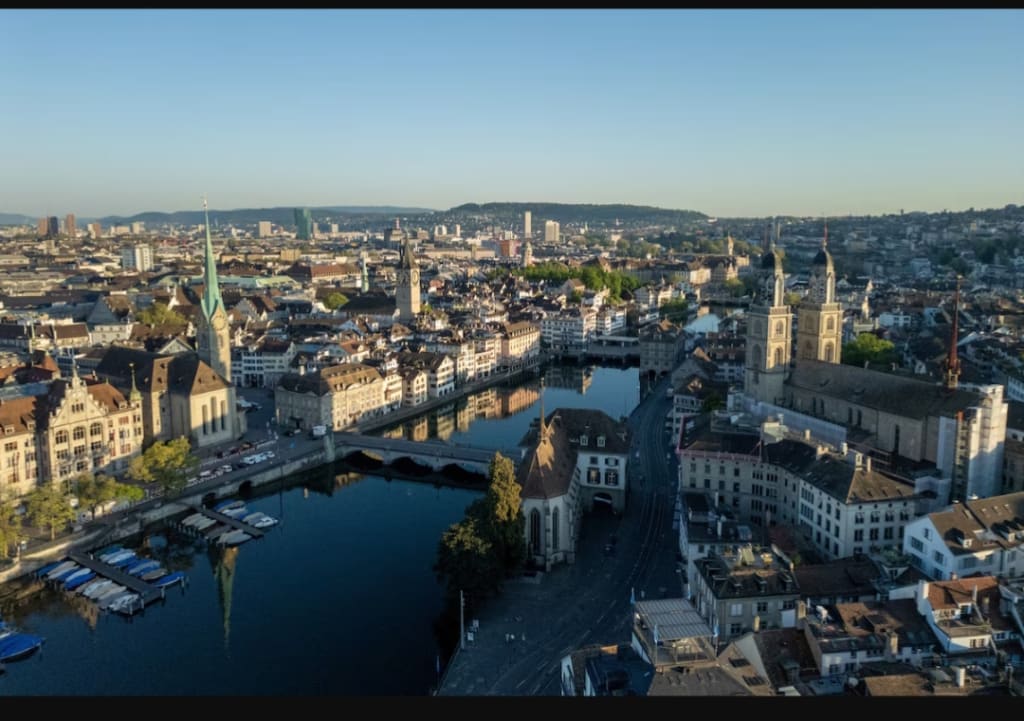
On Sunday, Swiss voters delivered a decisive verdict against a controversial proposal to impose a 50% tax on inheritances and gifts exceeding 50 million Swiss francs (CHF). Early estimates from the public broadcaster SRF show that approximately 79% of voters opposed the initiative, marking a resounding rejection.
The proposal, spearheaded by the Swiss Socialist Youth (JUSO), aimed to target the country’s wealthiest households, raising funds to combat climate change and support social initiatives. The plan would have affected roughly 2,500 ultra-rich families, collectively holding wealth estimated at 500 billion CHF. Despite the narrow target and lofty objectives, Swiss citizens overwhelmingly chose to maintain the status quo.
What the Initiative Proposed
The proposed initiative was straightforward in its objectives but ambitious in its scope:
High-end taxation: A 50% federal tax on inheritances or gifts exceeding 50 million CHF.
Purpose: To generate funds for climate action programs and reduce wealth inequality.
Targeted population: Extremely wealthy families, representing less than 0.05% of all households in Switzerland.
Proponents argued that Switzerland’s concentration of wealth in a small segment of society was a social and moral challenge. They suggested that taxing ultra-rich inheritances could provide a substantial source of funding for environmental policies and social programs without burdening the majority of citizens.
Why the Initiative Was Rejected
Despite the initiative’s well-intentioned goals, the proposal faced significant opposition and failed to win public support. Analysts have pointed to several key reasons for the overwhelming “no” vote:
1. Nationwide opposition across all cantons
The rejection was consistent across Switzerland. In Zurich, one of the country’s largest and wealthiest cantons, 74.6% of voters opposed the tax. In Valais, the figure was 84.3%, and in smaller cantons, the “no” vote frequently exceeded 85%. Only a handful of municipalities reportedly showed support.
This uniform opposition underscores how the proposal failed to resonate with voters, regardless of language region, political leaning, or local economic context.
2. Debate shifted from climate to taxation
While the initiative was framed as a measure to fight climate change, the public debate quickly centered on financial and economic concerns. Many voters saw it primarily as a redistribution mechanism, with unclear plans for implementing or managing the funds raised.
Commentators observed that the initiative struggled to gain traction because voters were uncertain whether it would deliver meaningful climate results or simply penalize wealth accumulation. One media report described the outcome as “an overwhelming red NO from the start”, reflecting the strong resistance from the electorate.
3. Economic and business concerns
Opponents, including the Swiss government, business leaders, and the financial sector, warned that the tax could have unintended consequences. Heavy taxation on the ultra-wealthy might encourage some families to relocate abroad, threatening Switzerland’s position as a global financial hub.
There were also concerns about family-owned businesses and SMEs, which might be indirectly affected by the proposed tax. Passing on companies to the next generation could become more complicated if a high inheritance tax were imposed, potentially harming Switzerland’s broader economic stability.
4. Cultural aversion to redistribution
Switzerland has a long-standing tradition of fiscal conservatism. Voters are accustomed to stable, predictable taxation and have historically rejected initiatives that radically alter the tax system. Even moderate proposals that significantly affect wealth distribution often fail because citizens prioritize economic security and continuity over ambitious social or environmental reforms.
---
What the Vote Reveals About Swiss Society
This vote offers several insights into the mindset of Swiss voters and the country’s political landscape:
Preference for stability: Citizens value a predictable tax system and resist sudden or heavy-handed changes, even if these changes aim to tackle pressing social or environmental issues.
Limited appetite for taxing the ultra-rich: Despite increasing global discussions on wealth inequality, Swiss voters remain cautious about imposing severe financial burdens on a small segment of society.
Challenges for climate-focused policies: Even initiatives designed to fund environmental programs face steep hurdles if they are perceived as economically risky or unfair.
The rejection also reflects a broader trend in Swiss politics: initiatives based on abstract ideals, whether climate justice or wealth redistribution, often struggle to convince voters unless accompanied by clear implementation plans and minimal economic disruption.
---
Looking Ahead
While the initiative has failed, the debate over wealth inequality and climate funding is far from over. Environmental groups and left-leaning political parties may explore alternative strategies, such as incentivizing voluntary contributions, encouraging corporate social responsibility, or proposing smaller-scale taxes that affect a broader population without targeting just the ultra-rich.
For policymakers, this outcome serves as a reminder that proposals must balance social objectives with economic realities to gain public acceptance. In Switzerland, the intersection of progressive ideas and fiscal conservatism remains a delicate one, and ambitious measures like the JUSO initiative face significant hurdles.
Conclusion
The Swiss vote against the 50% inheritance tax demonstrates the country’s commitment to economic stability, fiscal predictability, and caution when it comes to redistributing wealth. Nearly 8 out of 10 voters rejected the measure, signaling that even well-intentioned proposals targeting climate action or social equity must overcome strong cultural and economic considerations.
Ultimately, Switzerland continues to maintain its model of moderate taxation and careful wealth management, balancing progressive ambitions with long-standing financial prudence. The decision serves as a reminder that successful reforms require not only noble intentions but also strategies that resonate with the practical and economic sensibilities of the electorate.
About the Creator
Asad Ali
I'm Asad Ali, a passionate blogger with 3 years of experience creating engaging and informative content across various niches. I specialize in crafting SEO-friendly articles that drive traffic and deliver value to readers.
As Divisions Over Greenland Grow, Europe Examines Its Options
Europe is facing a growing diplomatic and strategic challenge as tensions over Greenland continue to escalate. The Arctic island, a semi-autonomous territory of Denmark, has long held strategic significance due to its location, natural resources, and role in regional security. Now, with renewed interest and pressure from the United States, European leaders are being forced to weigh their options carefully — balancing sovereignty, alliance cohesion, and global influence.
By Aarif Lashariabout 18 hours ago in The Swamp


Comments
There are no comments for this story
Be the first to respond and start the conversation.