
Rubio and Witkoff Meet Ukraine’s Negotiators as Trump Pushes to Broker an End to the War
A high-stakes diplomatic push unfolds as Rubio, Witkoff, and Trump’s team meet Ukraine’s negotiators to explore a path toward ending the war.

Introduction
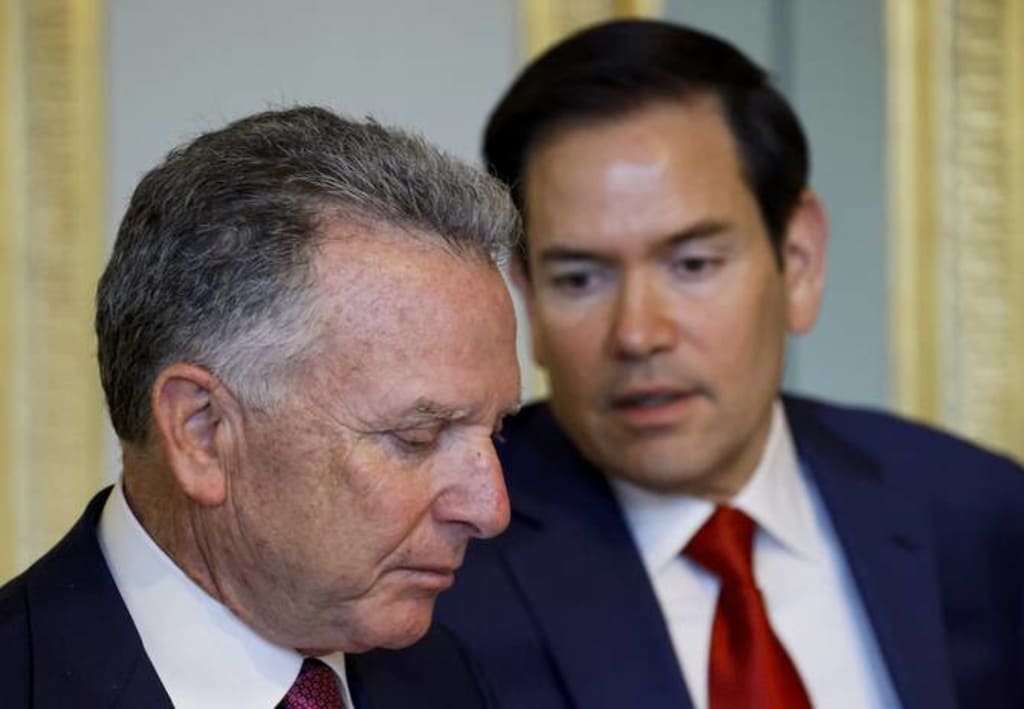
Efforts to end the Russia-Ukraine war have taken a dramatic turn as U.S. Secretary of State Marco Rubio, special envoy Steve Witkoff, and senior adviser Jared Kushner meet with Ukraine’s top negotiators in Florida. The meeting signals a renewed push from former President Donald Trump, who is seeking to personally broker an end to one of the most destructive conflicts of the decade.
The talks come at a time when Ukraine faces mounting battlefield pressure and internal political turbulence, making the outcome of these discussions more critical than ever.
A High-Stakes Meeting in Florida
According to various U.S. and European reports, the Ukrainian delegation — led by newly assigned policymakers Andrii Hnatov, Andrii Sybiha, and Rustem Umerov — traveled to the U.S. for high-level talks after the resignation of former chief negotiator Andrii Yermak amid corruption allegations.
For Washington, this meeting is not just routine diplomacy. It is part of a broader initiative led directly by Trump, who has repeatedly promised a rapid end to the conflict and now appears determined to play the role of deal-maker on the world stage.
The involvement of businessman-turned-envoy Steve Witkoff and adviser Kushner further highlights Trump’s unconventional approach — relying on negotiation skills and personal diplomacy rather than traditional diplomatic channels.
The Controversial 28-Point Peace Proposal
At the center of these discussions is the highly debated 28-point peace framework drafted by U.S. officials. Early leaks suggested the plan included:
Potential territorial concessions in the eastern Donbas region
Restrictions on Ukraine’s military, including long-range weapons
Blocking NATO membership for Ukraine
Calls for early elections in Ukraine
These points sparked concern across Europe and anger among many Ukrainians. Critics argue that the original framework leaned heavily in Russia’s favor and could undermine Ukraine’s sovereignty.
In response to backlash, U.S. officials clarified that the plan is merely a starting point — a flexible blueprint that both sides can revise. This weekend’s Florida meetings are expected to focus on reshaping the proposal into something more balanced and realistic.
Why These Talks Matter Now
The diplomatic push arrives at a sensitive moment. Ukraine is simultaneously:
Facing intense Russian missile and drone attacks
Managing political instability after major corruption probes
Struggling with exhausted troops and dwindling resources
Relying heavily on Western support, which is starting to fracture
For Trump and his administration, achieving a peace breakthrough could dramatically shift global politics — repositioning the United States as the central mediator in European security affairs.
For Ukraine, however, the stakes are far higher. Any agreement must preserve the nation’s independence, prevent future aggression, and avoid concessions that could erode public trust.
Internal Tensions and Global Reactions
The removal of Andrii Yermak from negotiations has unsettled Ukraine’s political landscape. His departure raised questions about the continuity of Kyiv’s diplomatic strategy. However, some analysts believe that a new team could bring fresh perspective and reduce tensions within the government.
International reactions remain mixed:
European allies worry the U.S. may push Ukraine into an unfavorable deal.
Russia has hinted interest in talks but remains vague on conditions.
Ukrainian citizens are divided — some crave immediate peace, others refuse any territorial concessions.
These conflicting pressures increase the complexity of crafting a durable agreement.
What Happens Next?
If progress is made during the Florida meetings, the next major step could involve a direct delegation traveling to Moscow for talks with Vladimir Putin. Such a move would mark the most significant diplomatic contact between Washington and Moscow regarding the war since 2022.
However, many uncertainties remain:
Will Ukraine accept any concessions?
Will Russia negotiate in good faith?
Can the U.S. craft a plan that satisfies both sides without undermining regional security?
The answers to these questions will shape not only the future of Ukraine but the broader European geopolitical order.
Final Thoughts
The meeting between Rubio, Witkoff, and Ukraine’s negotiators represents one of the most serious diplomatic pushes to end the war in recent years. Whether this effort leads to genuine progress or becomes another stalled attempt depends on how both sides handle the sensitive issues at the heart of the conflict.
One thing is certain — the world is watching.
The decisions being made in Florida could influence Europe’s stability, global power dynamics, and the lives of millions affected by the ongoing war.
About the Creator
Asad Ali
I'm Asad Ali, a passionate blogger with 3 years of experience creating engaging and informative content across various niches. I specialize in crafting SEO-friendly articles that drive traffic and deliver value to readers.
Iranian Airspace Reopens – As It Happened
Iran has officially reopened its airspace following a period of heightened regional tension that forced widespread flight suspensions and diversions. The reopening marks a significant moment for regional aviation, trade, and diplomacy, coming after days of uncertainty that disrupted travel across the Middle East and beyond. Airlines, passengers, and governments closely watched developments, as Iranian airspace is a critical corridor linking Europe, Asia, and the Gulf.
By Aarif Lashari5 days ago in The Swamp



Comments
There are no comments for this story
Be the first to respond and start the conversation.