
Snow Blankets Tokyo as Powerful Storm System Tightens Grip on Japan
A severe winter storm is sweeping across Japan, bringing heavy snowfall, travel disruptions, and public safety warnings as Tokyo and other regions brace for impact.
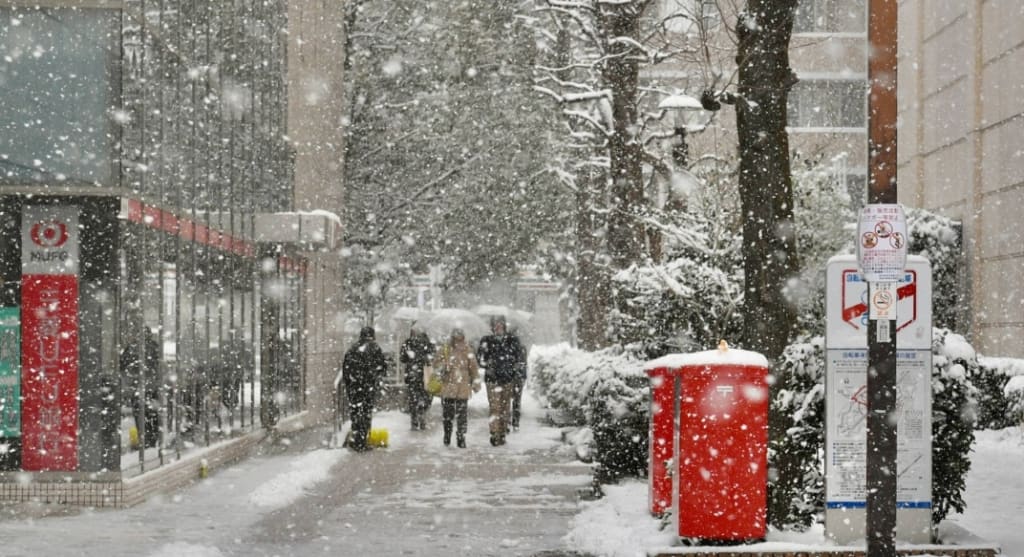
Tokyo and much of Japan are facing a dramatic winter scene as a powerful storm system blankets the region with heavy snow, disrupting daily life and raising safety concerns. Meteorologists have warned that this storm is one of the most intense to hit Japan in recent years, with snow accumulation reaching alarming levels in both urban and rural areas.
The Japanese Meteorological Agency (JMA) has issued multiple warnings and advisories, urging citizens to stay indoors where possible and to exercise extreme caution while traveling. Authorities are particularly concerned about transportation disruptions, accidents, and the potential for power outages in areas hardest hit by the storm.
Tokyo Under a White Blanket
For Tokyo residents, the sight of streets, parks, and public spaces covered in thick layers of snow is both beautiful and challenging. Urban infrastructure is under strain as roads become slippery, rail services experience delays, and airports face cancellations. Commuters have been advised to work from home if possible, and emergency services are on heightened alert to respond to accidents or weather-related incidents.
Local governments in Tokyo and surrounding prefectures are mobilizing snow-clearing crews, deploying sand and salt to prevent icy conditions, and ensuring that hospitals and essential services remain operational. Despite these efforts, disruptions remain widespread, affecting schools, businesses, and public transportation.
Impact on Northern and Rural Regions
While Tokyo is struggling to manage urban snow accumulation, northern prefectures like Hokkaido, Niigata, and Akita are experiencing even heavier snowfall. Some regions have recorded over 50 centimeters of snow within 24 hours, forcing road closures and temporary evacuation measures in vulnerable areas.
Rural communities, which are accustomed to heavy winter conditions, are still feeling the pressure as the storm brings gusty winds, low visibility, and the risk of avalanches in mountainous areas. Farmers and local authorities are particularly concerned about damage to crops, livestock, and infrastructure.
Transportation Chaos
The storm has severely impacted Japan’s transportation networks. Major train lines, including the Shinkansen (bullet train) services, have experienced delays or temporary suspension due to snow-covered tracks. Airports in Tokyo, Osaka, and northern regions are reporting flight cancellations, creating challenges for both domestic and international travelers.
Road travel has also been hazardous, with multiple accidents reported on highways and expressways. Traffic authorities have issued warnings and encouraged motorists to avoid non-essential travel, particularly in regions experiencing the heaviest snow and high winds.
Public Safety Measures
Authorities have emphasized the importance of public safety, urging residents to:
Avoid unnecessary travel and stay indoors during peak storm hours.
Keep emergency supplies, including food, water, and heating, on hand.
Exercise caution when walking on icy sidewalks and clearing snow from roofs.
Check weather updates and advisories regularly through official channels.
Local police, fire departments, and emergency response teams are operating around the clock to assist those in need and respond to accidents or infrastructure issues caused by the storm.
Economic and Social Implications
The storm is not only a public safety concern but also an economic one. Retail businesses, offices, and factories face temporary closures, and transportation delays are affecting supply chains. Airlines, train companies, and logistics providers are under pressure to manage the disruptions efficiently.
Tourism is also impacted, as international visitors struggle with canceled flights and delayed services. Ski resorts and winter attractions in northern regions are experiencing both challenges and opportunities: while snowfall is ideal for skiing, extreme weather conditions pose safety risks and reduce accessibility.
Meteorologists Warn of Ongoing Storm Activity
Meteorologists have indicated that the storm system may continue to affect Japan for several more days. Snow accumulation is expected to increase in northern and central regions, while coastal areas may experience strong winds and freezing rain. The storm’s intensity has prompted comparisons to past severe winter weather events, highlighting the need for preparedness and caution.
Experts stress that climate patterns, including shifts in ocean temperatures and jet stream fluctuations, may be contributing to increasingly extreme winter weather in Japan. This underscores the importance of monitoring and planning for such events, particularly in urban centers like Tokyo where high population density magnifies risks.
Community Response and Resilience
Despite the challenges, communities across Japan are demonstrating resilience and solidarity. Local authorities, neighborhood associations, and volunteers are working to clear roads, assist the elderly and vulnerable, and ensure that emergency shelters are available. Citizens are also sharing resources and information through social media and local networks to support one another during the storm.
Public awareness campaigns emphasize not only safety but also preparedness for future weather events, as Japan’s winter storms continue to evolve in intensity and impact.
Conclusion
Japan’s winter storm serves as a reminder of both the beauty and the hazards of extreme weather. As Tokyo and other regions cope with heavy snowfall, travel disruptions, and safety concerns, the nation’s preparedness and community response will play a critical role in minimizing damage and protecting lives.
For residents and travelers alike, vigilance, caution, and adherence to official advisories remain essential as the storm continues to tighten its grip on the country. While the snow may bring stunning scenery, it also demands respect and careful management to navigate the challenges it creates.
About the Creator
The Saddest Thing - The Billionaires Who Rule America Aren't Even Enjoying Themselves
This single post says more about our ruling class than a thousand policy papers. The saddest thing about today's system is that the men robbing the rest of us - sabotaging our economic prospects, our pensions, our access to affordable healthcare - are not even happy.
By Scott Christenson🌴6 days ago in The Swamp
NASA to Allow Astronauts to Use Personal iPhones on Missions: A New Era in Space Communication
Introduction NASA’s space missions have always been synonymous with cutting-edge technology and high-level scientific experimentation. However, in an exciting and somewhat unexpected development, the space agency has announced that astronauts will now be allowed to bring and use their personal iPhones during missions. This groundbreaking move is not just about embracing a familiar piece of technology but also about enhancing communication, supporting mental well-being, and bridging the gap between astronauts and their loved ones on Earth.
By Ayesha Lashari7 days ago in The Swamp



Comments
There are no comments for this story
Be the first to respond and start the conversation.