
NASA to Allow Astronauts to Use Personal iPhones on Missions: A New Era in Space Communication
NASA’s Decision to Integrate Personal iPhones Into Space Missions Marks a New Step Towards Modernizing Astronaut Communication and Enhancing Personal Connections
Introduction
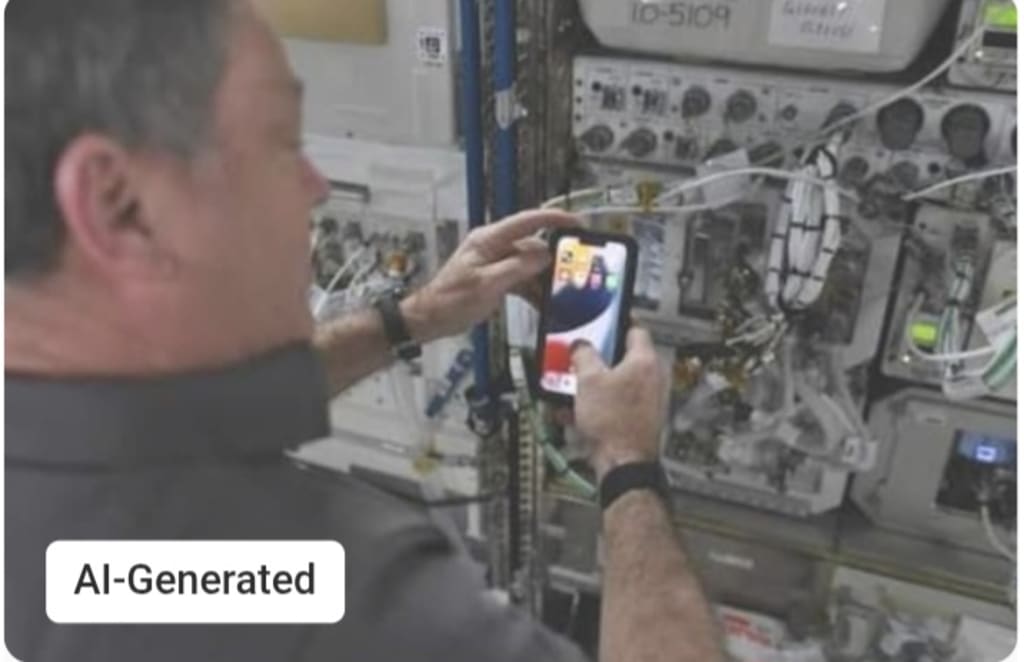
NASA’s space missions have always been synonymous with cutting-edge technology and high-level scientific experimentation. However, in an exciting and somewhat unexpected development, the space agency has announced that astronauts will now be allowed to bring and use their personal iPhones during missions. This groundbreaking move is not just about embracing a familiar piece of technology but also about enhancing communication, supporting mental well-being, and bridging the gap between astronauts and their loved ones on Earth.
With the ever-evolving landscape of technology, space agencies are increasingly finding ways to integrate consumer-grade devices into the harsh environments of space. The introduction of personal iPhones into NASA missions is set to change the way astronauts communicate, perform daily tasks, and stay connected to Earth, all while staying true to NASA's commitment to innovation.
The Role of Technology in Space Missions
Space technology has advanced in leaps and bounds, from the Apollo era to the modern-day International Space Station (ISS). Over the decades, NASA has relied on custom-built technology, ranging from sophisticated communication systems to specially designed equipment, to facilitate its space missions. These tools were developed to ensure that astronauts could carry out experiments, communicate with mission control, and survive in space.
However, as the space industry continues to evolve, there is a growing realization that consumer-grade devices, like smartphones, can be just as effective in certain aspects. Over the past few years, NASA has been working to integrate more widely-used technologies into its space missions, and the decision to allow astronauts to use iPhones is a reflection of that shift. By harnessing personal devices, NASA can streamline communication, improve astronauts' mental health, and maintain high levels of efficiency during missions.
Why iPhones?
So, why specifically iPhones? The choice of Apple’s iPhone is due to several practical reasons, ranging from the device’s reliability to its broad range of features. NASA has a long history of working with Apple devices, and iPhones have proven to be compatible with the technical systems on the ISS.
One of the main advantages of using iPhones is their robust hardware, long battery life, and access to a vast range of apps. This enables astronauts to use their phones not only for communication but also for various tasks that support their mission. Whether it’s accessing mission-critical apps, taking pictures, documenting research, or simply communicating with their families and friends, iPhones offer the versatility required for such a challenging environment.
Additionally, iPhones are widely regarded for their ease of use. With the simplicity and intuitive design of Apple’s operating system, astronauts can easily navigate their devices without having to spend valuable time learning complicated interfaces.
Enhancing Communication and Mental Health
One of the most compelling reasons behind this decision is the importance of mental well-being during long-duration missions. Astronauts on the ISS often spend months away from their families and friends, which can take a toll on their mental health. Being able to use personal iPhones will give astronauts a sense of normalcy and connection with their loved ones, allowing them to stay in touch through voice calls, video chats, and social media platforms.
In previous missions, astronauts were often limited to sporadic communication with their families via email or brief phone calls, which could be infrequent due to time zone differences or communication windows. The ability to use personal devices will make the entire communication process more seamless and frequent, which could help alleviate feelings of isolation and stress.
Furthermore, NASA has long recognized the psychological strain of space travel. During missions that span months or even years, the lack of social interaction with the outside world can contribute to conditions like anxiety, depression, and cabin fever. Allowing astronauts to access their personal iPhones will help mitigate some of these effects, making space travel more manageable both physically and mentally.
Streamlining Daily Tasks and Productivity
The benefits of using iPhones go beyond just personal communication. With apps designed for everything from scheduling and task management to health monitoring and entertainment, astronauts will be able to make their daily routines more efficient. For instance, astronauts can use apps to track their exercise regimens, monitor their food intake, and even listen to music or watch movies during their off-hours.
The iPhone’s built-in camera also allows astronauts to document their experiences in space, whether it’s capturing images of the Earth from orbit or recording videos for educational purposes. With the added bonus of high-definition video capabilities, the iPhone could become an important tool for scientific outreach, allowing the public to get a closer look at life aboard the ISS.
Moreover, iPhones will allow astronauts to use navigation apps and various scientific instruments remotely. These functionalities could help enhance their ability to conduct research and experiments while maintaining flexibility in how they manage their workloads.
Addressing the Challenges of Space Use
While there are numerous advantages to bringing iPhones on space missions, the challenges of space travel should not be underestimated. The harsh environment of space presents a unique set of challenges for any piece of technology, including iPhones. Extreme temperatures, radiation, and microgravity can interfere with the functioning of devices, and NASA’s engineers will need to ensure that the iPhones can withstand these conditions.
To address these concerns, NASA has been working closely with Apple to ensure that the devices are sufficiently modified and tested for use in space. Special protective casings, enhanced battery life, and software tweaks are just a few of the adjustments that will be made to ensure the devices remain functional during missions.
Looking Ahead: A New Era in Space Exploration
The decision to allow astronauts to use personal iPhones marks a significant shift in how space agencies approach the integration of everyday technologies into space missions. As space exploration becomes more accessible, the lines between professional-grade and consumer-grade technology will continue to blur. In the future, we can expect to see even more innovation in the way astronauts communicate and interact with their environments.
For now, this decision is a small but important step towards improving the quality of life for astronauts in space. By embracing the convenience and functionality of personal devices like iPhones, NASA is setting the stage for a future where space missions are not just about survival and scientific discovery but also about maintaining human connections, well-being, and productivity.
Conclusion
NASA’s decision to allow astronauts to bring personal iPhones on missions represents a significant leap forward in space technology and astronaut welfare. By integrating consumer-grade devices into space exploration, NASA is acknowledging the importance of staying connected and maintaining mental well-being during long missions. As the space industry continues to evolve, this shift towards more accessible, user-friendly technologies will shape the future of space travel, making it more sustainable and human-centered.
This move not only highlights the growing convergence of space technology and consumer tech but also reflects NASA’s commitment to adapting to the needs of the astronauts, ensuring that they are equipped with the best tools to succeed both professionally and personally.
About the Creator
Keep reading
More stories from Ayesha Lashari and writers in The Swamp and other communities.
The Crisis of Homeless Refugees in England: A Growing Challenge
In recent years, the number of homeless refugees in England has surged at an alarming rate, a crisis that has been brought to light by the BBC’s investigative report. The report, which delves into the state of homelessness among refugees, paints a bleak picture of a growing problem that threatens to undermine the very foundations of the UK's welfare system. Despite the government's commitment to providing sanctuary to those fleeing war, persecution, and poverty, many refugees are finding themselves without a roof over their heads, struggling to survive on the streets.
By Ayesha Lashari3 days ago in The Swamp
Why Black History Matters in America?
The United States of America is celebrating their 250th anniversary in 2026. I'm proud to be an American and as someone who was born here, I wouldn't imagine myself living anywhere else. This is a country where opportunities are possible. Where anyone can be successful in anything they desire to do. Equality, community, and togetherness are the backbones of what America is and should be about. However, we have an administration who wants to erase and disregard those who have made positive, meaningful impacts in our country, specifically Black figures, such as Martin Luther King, Jr., Rosa Parks, and Maya Angelou. President Trump and his administration have been constantly complaining and fighting against what they call the "Woke agenda". They use this excuse as a distraction from other issues they refuse to address, such as the high cost of living, climate change, and inflation. That equality is dividing America, when in reality, it's bringing us together. Being woke is not tied to a specific political party. No matter where you stand on the political spectrum, you can still care about other people and their plights. Compassion and empathy for others isn't tied to a political party, either. We were taught as children to treat others the way we want to be treated and not judge others because they're different from us. Caring about others isn't a personal attack on your beliefs. It doesn't make you any less of a person. People who are easily offended over African American figures, past or present, or anything related to it, are grasping at straws. Current and future generations need to know who people like Harriet Tubman and Shirley Chisholm were, especially in the classroom. Black History is part of American History. It should be recognized, not hidden or forgotten. Besides, you can't shield children from everything, just because your feelings are easily hurt.
By Mark Wesley Pritchard 7 days ago in The Swamp




Comments
There are no comments for this story
Be the first to respond and start the conversation.