
Silver Is Putting Gold To Shame
Why silver is outperforming gold and capturing investor attention amid market volatility and industrial demand

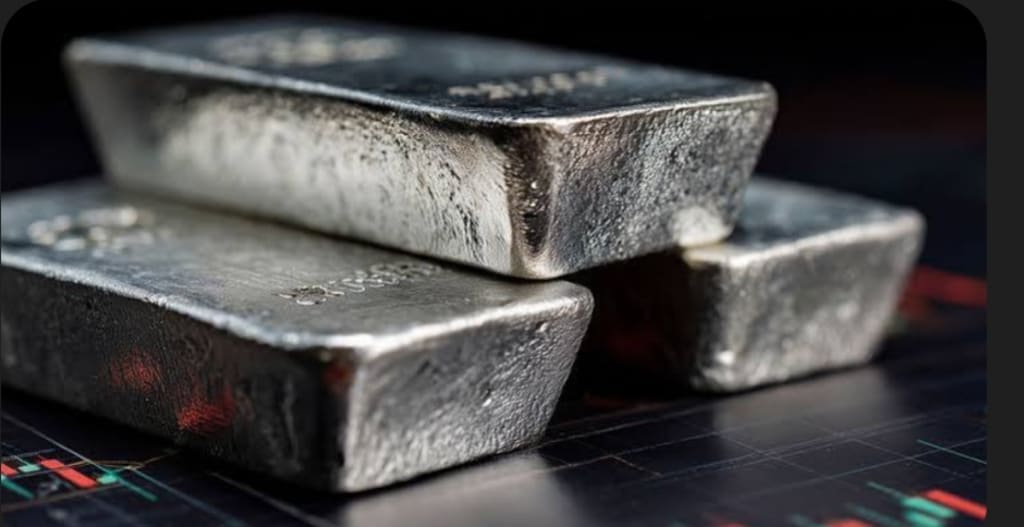
In the world of precious metals, gold has traditionally been considered the safe haven, a store of value in turbulent times. But recently, silver has been stealing the spotlight, outperforming gold by a wide margin and attracting investors, traders, and industrial users alike. Market watchers are increasingly saying that silver’s unique combination of financial and industrial characteristics is giving it an edge, creating a rare scenario where this often-overlooked metal is outshining its more famous counterpart.
---
Silver Outperforms Gold
Over the past several months, silver prices have surged dramatically, climbing more than 30% year-to-date in some markets. By comparison, gold’s gains have been more modest, leaving silver with an impressive relative performance. Analysts note that silver’s smaller market size and greater volatility amplify its price movements, making it more responsive to shifts in supply, demand, and investor sentiment.
Several factors are driving silver’s outperformance:
1. Industrial Demand: Unlike gold, which is primarily used for investment and jewelry, silver has extensive industrial applications, including electronics, solar panels, batteries, and medical devices. The global push for green energy and technological adoption has increased industrial demand for silver significantly.
2. Inflation Hedge: Rising inflation has led investors to seek tangible assets, and silver, like gold, serves as a store of value. Its lower price per ounce compared to gold makes it more accessible to retail investors, broadening the base of buyers.
3. Supply Constraints: Silver mining has faced challenges, including declining ore grades, rising costs, and geopolitical risks. These supply-side constraints add upward pressure on prices, further enhancing silver’s performance relative to gold.
---
The Gold-Silver Ratio: A Historical Indicator
A key metric in precious metals markets is the gold-silver ratio, which measures how many ounces of silver are required to purchase one ounce of gold. Historically, this ratio has averaged around 60:1, but recent market conditions have seen it drop significantly, signaling that silver is undervalued relative to gold.
Traders use this ratio as a contrarian indicator. When the ratio is high, silver is considered cheap compared to gold; when it’s low, silver is expensive. The current environment has led some investors to favor silver heavily, contributing to its outperformance.
---
Industrial Revolution Drives Silver Demand
Silver is unique among precious metals because it straddles the line between investment asset and industrial commodity. Its high conductivity and durability make it essential for electronics, solar energy, and advanced technologies such as electric vehicles and 5G infrastructure.
The global transition toward renewable energy has accelerated demand for silver. Photovoltaic solar panels, for instance, use silver in conductive paste, and every gigawatt of solar capacity installed globally consumes tens of tons of silver. As governments and corporations push for a greener economy, silver demand is expected to remain robust.
---
Investor Behavior and Market Sentiment
Market psychology has also favored silver. Retail investors, especially in online trading communities, have embraced silver as a high-potential alternative to gold. Platforms facilitating fractional silver ownership and ETFs have made the metal accessible to millions of small investors.
Additionally, geopolitical tensions, inflationary fears, and financial market volatility have boosted silver’s appeal as a hedge against uncertainty. While gold remains a trusted safe haven, silver’s combination of affordability, industrial relevance, and speculative potential has created a surge of buying interest.
---
Silver ETFs and Institutional Investment
Institutional investors are increasingly turning to silver ETFs as a way to gain exposure to the metal without holding physical bullion. Large inflows into these funds have contributed to upward price momentum, creating a feedback loop where rising prices attract more investment, pushing prices even higher.
Banks and trading firms note that silver’s smaller market capitalization compared to gold means that relatively modest investment flows can produce outsized price movements, amplifying gains and drawing attention from both speculators and long-term investors.
---
Challenges and Risks
Despite its strong performance, silver comes with unique risks. Its higher volatility makes it more susceptible to sharp corrections than gold. Market watchers caution that any slowdown in industrial demand, changes in interest rates, or strengthening of the US dollar could lead to rapid declines in silver prices.
Moreover, mining challenges, while supporting prices, can also limit supply flexibility, making the market prone to short-term shocks. Investors should remain aware that silver’s appeal as a high-return asset also carries higher potential for risk.
---
Future Outlook: Silver vs Gold
Looking ahead, many analysts remain bullish on silver, particularly because of its dual role as an industrial metal and an investment asset. The combination of strong industrial demand, limited supply growth, and positive market sentiment positions silver to continue outperforming gold, at least in the near term.
Long-term projections indicate that as green technology adoption accelerates and inflation concerns persist, silver’s role in portfolios and industries will expand, further narrowing the gap with gold.
---
Conclusion: The Underdog Shines
Silver’s recent surge demonstrates that even in a market dominated by gold, underdog assets can capture investor attention and outperform expectations. Its dual appeal—industrial utility and safe-haven investment—makes it a unique commodity, capable of benefiting from macroeconomic trends, technological adoption, and market psychology simultaneously.
For investors, traders, and industrial users, the lesson is clear: silver is no longer just “the poor man’s gold.” In 2026, it is putting gold to shame, showing that even metals long in the shadow of their golden counterpart can rise to prominence when conditions align.
About the Creator
Keep reading
More stories from Salaar Jamali and writers in The Swamp and other communities.
UN Aid Convoy Reaches Syria’s Ain al-Arab as Truce Between Army and SDF Holds
Subtitle: A United Nations aid convoy has successfully reached Ain al-Arab, also known as Kobane, in northern Syria, marking a rare humanitarian breakthrough as a tense truce between the Syrian army and the Kurdish-led Syrian Democratic Forces (SDF) continues to hold. The arrival of aid brings much-needed relief to civilians caught in years of conflict, displacement, and economic collapse, while underscoring how fragile cooperation has become essential for humanitarian access in Syria’s fractured landscape.
By Salaar Jamaliabout 14 hours ago in The Swamp
Is Spotify Lossless Truly Lossless? Understanding the Audio Quality Debate
Spotify recently introduced its lossless audio tier, promising listeners high-fidelity sound and studio-quality tracks. With audiophiles and casual listeners alike questioning whether this new offering lives up to its claims, it’s worth exploring what lossless audio means, how Spotify delivers it, and whether it truly offers the quality it promises.
By Aarif Lashari6 days ago in The Swamp
Below is a 900‑word, blog‑style article written to meet Vocal Media publication standards on the keyword:
In the world of U.S. politics and finance, relationships matter. And rarely has a relationship between Washington and Wall Street been as turbulent as the one between Donald Trump and the leaders of America’s biggest banks. Once intertwined with power and influence, the dynamic between Trump and the financial elite — especially the heads of major banks like JPMorgan Chase — deteriorated sharply over time. What began as mutual benefit turned into mutual distrust, raising questions about political influence, regulatory power, and the future of U.S. economic leadership.
By Muhammad Hassan4 days ago in The Swamp



Comments
There are no comments for this story
Be the first to respond and start the conversation.