
Saudi Arabia suspends 1,800 Umrah travel agencies due to poor performance
Saudi Arabia Suspends 1,800 Umrah Travel Agencies Due to Poor Performance
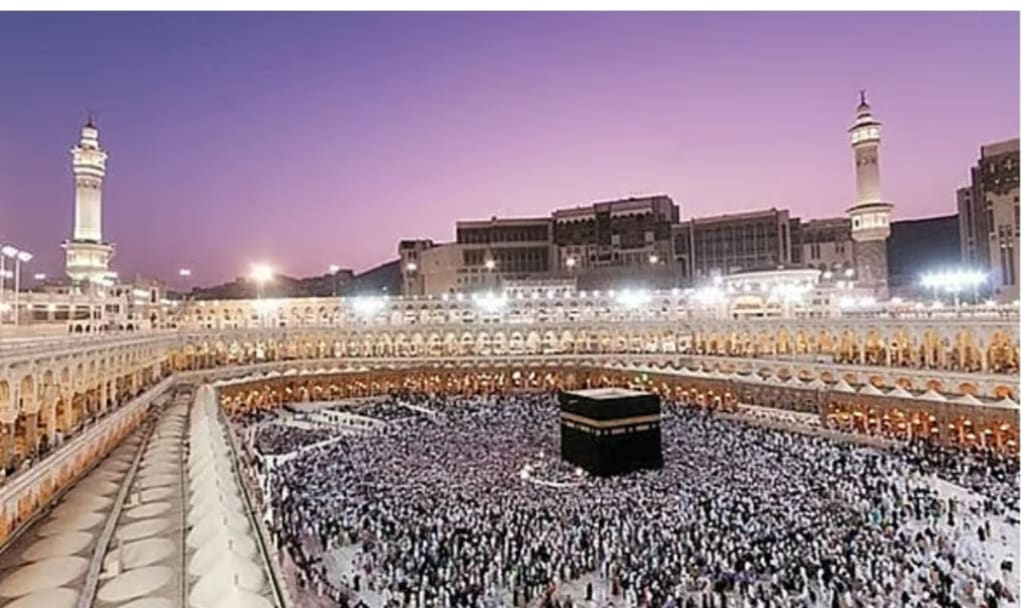
Saudi Arabia has reportedly suspended around 1,800 Umrah travel agencies following performance reviews that found serious shortcomings in service quality, organization, and compliance with regulations. The decision reflects growing efforts by Saudi authorities to modernize pilgrimage services, improve safety standards, and ensure that millions of religious visitors receive reliable and professional support during their journeys.
The suspension marks one of the largest regulatory actions taken against pilgrimage service providers in recent years and signals a broader transformation in how religious tourism is managed in the Kingdom.
Understanding Umrah and Its Global Importance
Umrah is an Islamic pilgrimage to Makkah that can be performed at any time of the year, unlike Hajj, which occurs during specific dates in the Islamic calendar. Millions of Muslims from around the world travel to Saudi Arabia each year to perform Umrah, making it one of the largest recurring religious travel movements globally.
Umrah contributes significantly to:
Saudi Arabia’s religious tourism sector
Global travel and hospitality industries
Local businesses in Makkah and Madinah
Airline and transport services
Ensuring quality service is essential because pilgrims often invest significant savings and travel long distances to perform religious duties.
Why Saudi Arabia Suspended the Agencies
Authorities reportedly took action after identifying widespread performance failures among certain travel agencies. These failures may have included:
Failure to provide promised accommodation standards
Poor transport arrangements for pilgrims
Lack of proper documentation processing
Customer service complaints
Violations of official pilgrimage regulations
Saudi regulators have increasingly emphasized accountability among licensed service providers.
Protecting Pilgrims from Fraud and Poor Services
One of the major goals of the crackdown is protecting pilgrims from fraud, misinformation, and poor service delivery. In past years, some pilgrims have reported issues such as:
Fake travel packages
Overpriced services
Lack of confirmed hotel bookings
Visa processing delays
Poor emergency support during travel
By suspending underperforming agencies, authorities aim to restore trust and ensure pilgrims receive the services they pay for.
Saudi Arabia’s Vision for Modern Religious Tourism
The action aligns with Saudi Arabia’s broader Vision 2030 strategy, which includes expanding religious tourism while improving service quality and digital infrastructure.
Key goals include:
Increasing pilgrimage capacity
Improving crowd management systems
Expanding digital booking platforms
Strengthening travel regulation enforcement
Enhancing visitor experience through technology
Saudi Arabia aims to host significantly more pilgrims annually while maintaining safety and service quality.
Impact on Travel Agencies and Industry Competition
The suspension of 1,800 agencies could reshape the pilgrimage travel market. Agencies that meet higher standards may benefit from reduced competition and increased trust from customers.
Industry experts expect:
Stricter licensing requirements
More frequent performance reviews
Greater digital monitoring of services
Increased professional training requirements
The move may encourage agencies to invest more in service quality and customer support.
Impact on Pilgrims Worldwide
For pilgrims, the crackdown could bring long-term benefits, including:
More reliable travel arrangements
Greater price transparency
Improved accommodation standards
Better emergency support during travel
However, in the short term, fewer agencies may lead to higher demand for approved service providers.
The Role of Technology in Pilgrimage Services
Saudi Arabia has increasingly used digital platforms to monitor and manage pilgrimage services.
Technology initiatives include:
Online visa processing systems
Digital pilgrim tracking for safety
Smart crowd management technology
Mobile apps providing real-time guidance
Digital monitoring makes it easier for authorities to detect service failures quickly.
Global Religious Tourism Standards
Saudi Arabia’s actions may influence religious tourism standards worldwide. Other countries hosting major religious events may adopt stricter regulatory models.
Religious tourism worldwide is growing rapidly, making service quality and safety increasingly important.
Challenges of Managing Mass Religious Travel
Managing millions of pilgrims annually presents complex challenges, including:
Crowd safety and emergency planning
Transportation logistics
Healthcare services
Accommodation availability
Strong regulation is often necessary to ensure smooth operations.
What Happens Next?
Authorities may continue reviewing agency performance and may allow suspended agencies to reapply after meeting improved standards.
Future developments could include:
New licensing requirements
Stronger penalties for non-compliance
Increased digital monitoring
Expanded pilgrim education programs
Saudi Arabia appears focused on long-term structural reform rather than temporary enforcement.
Why This Decision Matters Globally
The suspension reflects broader global trends toward stricter regulation in travel and tourism industries. As travel becomes more globalized, governments are placing greater emphasis on consumer protection and service quality.
For Saudi Arabia, maintaining trust among Muslim pilgrims worldwide is both a religious responsibility and an economic priority.
Conclusion
Saudi Arabia’s suspension of 1,800 Umrah travel agencies marks a major step toward improving pilgrimage service standards and protecting millions of religious travelers. While the decision may create short-term disruption in the travel market, it signals a long-term commitment to quality, safety, and modernization in religious tourism.
As Saudi Arabia continues expanding pilgrimage capacity under Vision 2030, stronger regulation and improved service quality are likely to remain central priorities. For pilgrims, the ultimate goal is a safer, more organized, and spiritually fulfilling journey.
About the Creator
Keep reading
More stories from Aarif Lashari and writers in The Swamp and other communities.
Top AI Leaders Are Begging People Not to Use Moltbook, a Social Media Platform for AI Agents
Leading figures in the artificial intelligence industry are reportedly urging caution around Moltbook, a new social media platform designed specifically for AI agents to communicate, share data, and interact autonomously. While the concept may sound futuristic and innovative, several prominent AI researchers and executives have raised alarms, describing the platform as a potential “disaster waiting to happen.”
By Aarif Lasharia day ago in The Swamp
FSC&RD–NSDRA Merger Approved Under Ministry of MNFS&R
The federal government has approved the merger of the Food Security and Climate & Rural Development (FSC&RD) framework with the National Strategic Development and Regulatory Authority (NSDRA) under the umbrella of the Ministry of National Food Security and Research (MNFS&R). The decision marks a significant administrative reform aimed at enhancing coordination, reducing institutional overlap, and strengthening Pakistan’s capacity to respond to food security, climate, and rural development challenges.
By Salaar Jamali2 days ago in The Swamp
Multi-Billion Dollar Missteps: How the West Handed Pakistan’s Air Power Bid to China
In a striking turn of events, Pakistan’s ambitions to modernize its air force have shifted decisively toward China, following years of perceived Western hesitancy, bureaucratic delays, and strategic missteps. Analysts describe this as a multi-billion-dollar opportunity lost for Western defense firms, while Beijing has emerged as a reliable partner, filling the vacuum in fighter jets, drones, and advanced avionics.
By Salaar Jamali3 days ago in The Swamp




Comments
There are no comments for this story
Be the first to respond and start the conversation.