
Multi-Billion Dollar Missteps: How the West Handed Pakistan’s Air Power Bid to China
Strategic miscalculations and Western hesitancy have reshaped Pakistan’s defense landscape, benefiting Beijing’s defense industry

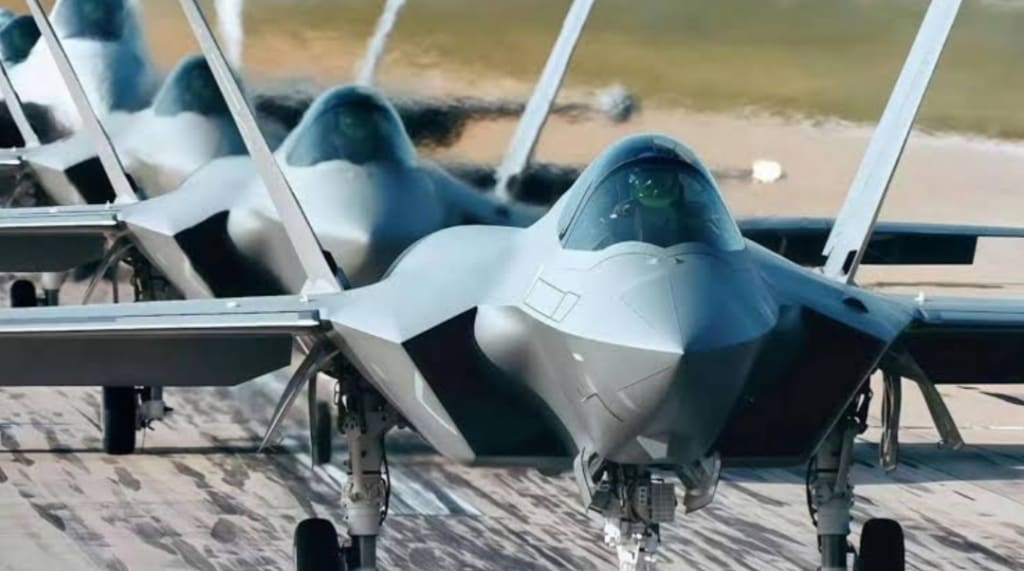
In a striking turn of events, Pakistan’s ambitions to modernize its air force have shifted decisively toward China, following years of perceived Western hesitancy, bureaucratic delays, and strategic missteps. Analysts describe this as a multi-billion-dollar opportunity lost for Western defense firms, while Beijing has emerged as a reliable partner, filling the vacuum in fighter jets, drones, and advanced avionics.
The trend reflects not only commercial decisions but also geopolitical realignment, as Islamabad balances strategic autonomy, regional threats, and technological aspirations.
---
Pakistan’s Air Power Ambitions
Pakistan’s Air Force (PAF) has long sought to modernize its fleet to maintain a credible deterrence against regional adversaries. With aging fleets of JF-17 Thunder, Mirage, and older F-16 aircraft, Pakistan needed a combination of:
Advanced multi-role fighter jets
Modern electronic warfare systems
Indigenous and co-produced platforms for long-term sustainability
Historically, Pakistan had purchased fighter jets from the United States and France. However, rising political friction, export restrictions, and slow delivery timelines increasingly pushed Islamabad to seek alternative partners.
---
Western Hesitation and Strategic Missteps
Several factors contributed to the West losing ground to China in Pakistan’s air power modernization:
1. Export Restrictions and Conditional Approvals
Western countries, particularly the United States, imposed tight export controls on advanced fighter jets, especially those capable of integrating nuclear or dual-use technologies. These restrictions often required Congressional approval, creating long delays. Islamabad, under pressure to rapidly upgrade its capabilities, viewed this as a bureaucratic bottleneck.
2. Geopolitical Sensitivities
Western nations have repeatedly balanced Pakistan’s defense procurement against broader regional concerns, including India-U.S. strategic partnerships. Hesitation to provide cutting-edge platforms stemmed from fears of triggering an arms race in South Asia, despite Pakistan’s legitimate security needs.
3. Cost and Financing Barriers
While Western fighter jets such as the F-16 and Rafale are technically advanced, their multi-billion-dollar price tags, licensing fees, and lifecycle costs made them less accessible to Pakistan. By contrast, China offered competitive pricing, flexible financing, and co-production agreements, making the decision more attractive to Islamabad.
4. Slow Delivery Timelines
Even after approvals, delivery schedules for Western aircraft often stretched over multiple years, undermining Pakistan’s goal of rapidly modernizing its air fleet. These delays created operational gaps and heightened vulnerabilities, especially with rising threats along the eastern border.
---
China’s Strategic Advantage
China’s defense sector moved quickly to capitalize on Western delays:
JF-17 Thunder Program: A joint venture between Pakistan Aeronautical Complex and Chengdu Aircraft Corporation, the program has delivered hundreds of multi-role fighter jets to the PAF. Advanced Block-III versions now include AESA radars, electronic warfare suites, and beyond-visual-range missiles.
Unrestricted Technology Transfer: China’s willingness to provide co-production, maintenance, and training has appealed to Pakistan’s goal of building indigenous capabilities.
Flexible Financing and Support: Unlike Western deals, China’s offers come with long-term credit arrangements, offset agreements, and fewer political strings attached.
By delivering platforms quickly and reliably, China has become Pakistan’s de facto partner in air power modernization, securing billions in defense contracts.
---
Regional Implications
The shift toward Chinese aircraft carries significant strategic implications:
1. Balance of Power
Pakistan’s air force modernization strengthens its deterrence posture against India, potentially influencing calculations in South Asia. The JF-17 and Chinese drones provide Islamabad with credible airstrike and surveillance capabilities.
2. Dependence on China
While Western suppliers offer cutting-edge technology, Pakistan’s growing reliance on China increases Beijing’s strategic leverage. This dependency may constrain Pakistan’s foreign policy flexibility over time.
3. Shift in Defense Diplomacy
Western defense companies risk being sidelined in a key regional market. Continued delays or restrictive policies could reinforce China’s role not only in Pakistan but across Southeast Asia and the Middle East, where Beijing offers competitive alternatives.
---
Lessons for the West
The Pakistan case highlights several key lessons for Western defense and diplomatic circles:
Speed and Reliability Matter: Delays in approvals or deliveries directly influence procurement decisions.
Flexible Financing Is Critical: Nations with budget constraints prefer partners who offer affordable, long-term solutions.
Technology Sharing Drives Loyalty: Co-production and transfer agreements strengthen both operational capability and strategic bonds.
Political Calculations Can Backfire: Hesitation to balance regional sensitivities may inadvertently cede influence to competitors.
Experts argue that unless Western nations rethink their approach to defense diplomacy, similar losses could occur in other emerging markets.
---
Pakistan’s Strategic Calculus
From Islamabad’s perspective, turning to China is pragmatic rather than ideological. Pakistan needs functional platforms delivered on time, at scale, and with technological transfer. China’s responsiveness allows the PAF to maintain readiness, develop indigenous skills, and preserve operational autonomy.
Additionally, the shift aligns with Pakistan’s broader foreign policy, which increasingly emphasizes multipolar partnerships over reliance on a single Western ally.
---
The Multi-Billion Dollar Takeaway
The cumulative cost of Western hesitancy is measured not only in lost contracts worth billions of dollars but also in geopolitical influence and long-term strategic positioning. By delaying decisions, imposing export restrictions, and emphasizing political constraints, the West inadvertently handed Pakistan’s air power modernization to China—a scenario that may influence defense markets and regional alliances for decades.
---
Conclusion
The saga of Pakistan’s air force modernization underscores a critical lesson: in the complex interplay of defense, diplomacy, and regional strategy, inaction or excessive caution can be as costly as miscalculations on the battlefield. China’s ability to deliver on promises, transfer technology, and provide flexible financing allowed it to capture a strategic market long dominated by Western firms.
For the West, the message is clear: delays, restrictions, and political hesitancy can carry multi-billion-dollar consequences, reshaping regional balances of power and creating opportunities for emerging competitors to gain influence in geopolitically vital markets.
---
Category: Defense & Geopolitics
About the Creator
Keep reading
More stories from Salaar Jamali and writers in The Swamp and other communities.
U.N. Says It’s in Danger of Financial Collapse Because of Unpaid Dues
The United Nations has issued a stark warning: it is facing the risk of financial collapse due to massive unpaid dues from member states. Senior U.N. officials have cautioned that unless countries meet their financial obligations, the organization may soon be unable to carry out core functions ranging from peacekeeping and humanitarian relief to human rights monitoring and development assistance.
By Salaar Jamali2 days ago in The Swamp
Time to change your life.
Is it even possible for you to change your life? A lot of people, more than there should be, are unhappy with their lives. But what are they doing about it? Usually nothing. People talk about how shitty their lives are and want change, but are they not taking the actions to change?
By Jen Phillips3 days ago in Humans



Comments
There are no comments for this story
Be the first to respond and start the conversation.