
Scoop: Trump’s Envoy Secretly Met Iran’s Exiled Crown Prince
A discreet diplomatic meeting hints at shifting U.S. strategy amid escalating unrest in Iran

Introduction
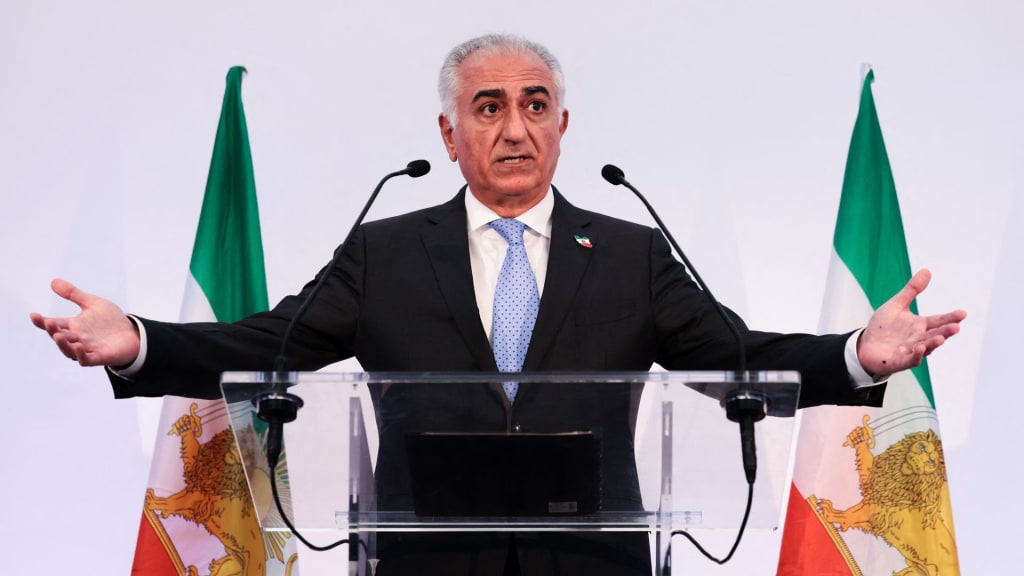
A discreet diplomatic development has emerged amid rising unrest in Iran: a senior envoy linked to former U.S. President Donald Trump reportedly held a secret meeting with Iran’s exiled crown prince, Reza Pahlavi. The behind-the-scenes engagement, revealed by sources familiar with the matter, has sparked widespread speculation about Washington’s evolving approach toward Iran’s political future.
The meeting comes at a critical moment as Iran faces sustained protests driven by economic hardship, political repression, and public frustration with the ruling establishment. While neither side initially publicized the encounter, its revelation has drawn international attention and raised questions about the United States’ engagement with Iranian opposition figures.
Who Is Iran’s Exiled Crown Prince?
Reza Pahlavi is the son of Iran’s last shah, who was overthrown during the 1979 Islamic Revolution. Living in exile for decades, Pahlavi has remained a prominent symbol for some Iranians who oppose the current system of governance.
In recent years, he has positioned himself not as a monarch seeking restoration, but as an advocate for democratic transition, human rights, and secular governance. While support for Pahlavi varies among Iranians, he remains one of the most internationally recognizable opposition figures associated with Iran.
Details of the Secret Meeting
According to reports, the meeting took place privately and involved a Trump-aligned envoy and Reza Pahlavi. Discussions reportedly focused on the ongoing protests inside Iran, the regime’s response, and potential future scenarios should political change occur.
The meeting was not officially announced at the time, suggesting a deliberate effort to avoid escalating tensions or drawing immediate diplomatic backlash. Despite the secrecy, its disclosure signals a willingness to engage directly with opposition voices during a period of heightened instability.
Why the Meeting Matters
The significance of the meeting extends beyond its secrecy.
A Shift in U.S. Engagement
Historically, U.S. administrations have been cautious about direct contact with exiled opposition figures. This meeting suggests a potential shift toward exploring alternative political outcomes in Iran.
Symbolic Support for Protesters
By engaging with an opposition leader, the move may be interpreted as moral or strategic support for Iranians challenging the status quo, even if no formal commitments were made.
Geopolitical Implications
Any indication of U.S. engagement with Iranian opposition groups has regional implications, particularly in the Middle East, where Iran plays a central political and security role.
Context: Protests and Pressure Inside Iran
Iran has experienced widespread protests sparked by economic collapse, inflation, and long-standing political grievances. Demonstrations have spread across multiple cities, with authorities responding through security crackdowns, internet restrictions, and mass arrests.
The unrest has intensified international scrutiny of Iran’s leadership, with foreign governments weighing how to respond without escalating conflict. The meeting with Pahlavi fits into this broader context of uncertainty and diplomatic recalibration.
Reactions and Debate
Supporters of stronger international involvement argue that engaging with opposition leaders reflects solidarity with the Iranian people. Critics, however, warn that such meetings could be viewed by Tehran as foreign interference, potentially worsening tensions and undermining diplomatic channels.
Analysts also caution that Iran’s opposition is fragmented, and no single figure represents all dissenting voices. While symbolic, the meeting does not guarantee political outcomes or unified leadership.
Conclusion
The secret meeting between a Trump-aligned envoy and Iran’s exiled crown prince marks a notable moment in the unfolding crisis surrounding Iran’s internal unrest. While the full implications remain unclear, the engagement suggests a growing willingness to explore alternative political conversations beyond traditional diplomacy.
As protests continue and pressure mounts on Iran’s leadership, international actors face difficult choices about engagement, restraint, and support for democratic aspirations. Whether this meeting proves to be a symbolic gesture or a precursor to deeper involvement, it highlights the evolving dynamics shaping Iran’s future at a moment of profound uncertainty.
Ultimately, the revelation of this secret meeting underscores how volatile and fluid the Iran situation has become. As economic pressure, social unrest, and political dissatisfaction continue to converge inside the country, global powers are quietly reassessing their options. Engaging with exiled figures like Reza Pahlavi does not signal immediate policy shifts, but it reflects strategic curiosity about possible futures beyond the current regime. Whether symbolic or strategic, such interactions highlight the growing international awareness that Iran stands at a crossroads—one where internal voices, external interests, and historical legacies may soon collide in unexpected ways.
About the Creator
Asad Ali
I'm Asad Ali, a passionate blogger with 3 years of experience creating engaging and informative content across various niches. I specialize in crafting SEO-friendly articles that drive traffic and deliver value to readers.
Suppliers: The Backbone of Global Trade, Communities, and Modern Economies
Suppliers are the often unseen backbone of modern economies, connecting raw materials to finished products and linking local communities to global markets. From small family-owned businesses to multinational corporations, suppliers play a critical role in ensuring that goods and services reach consumers efficiently and reliably.
By Aarif Lashari3 days ago in The Swamp



Comments
There are no comments for this story
Be the first to respond and start the conversation.