
Santander Closing Further 44 Branches Ahead of £2.6bn TSB Takeover
Santander announces plans to shut 44 more UK branches as it prepares for a £2.6 billion takeover of TSB, sparking debate over the future of in-person banking.
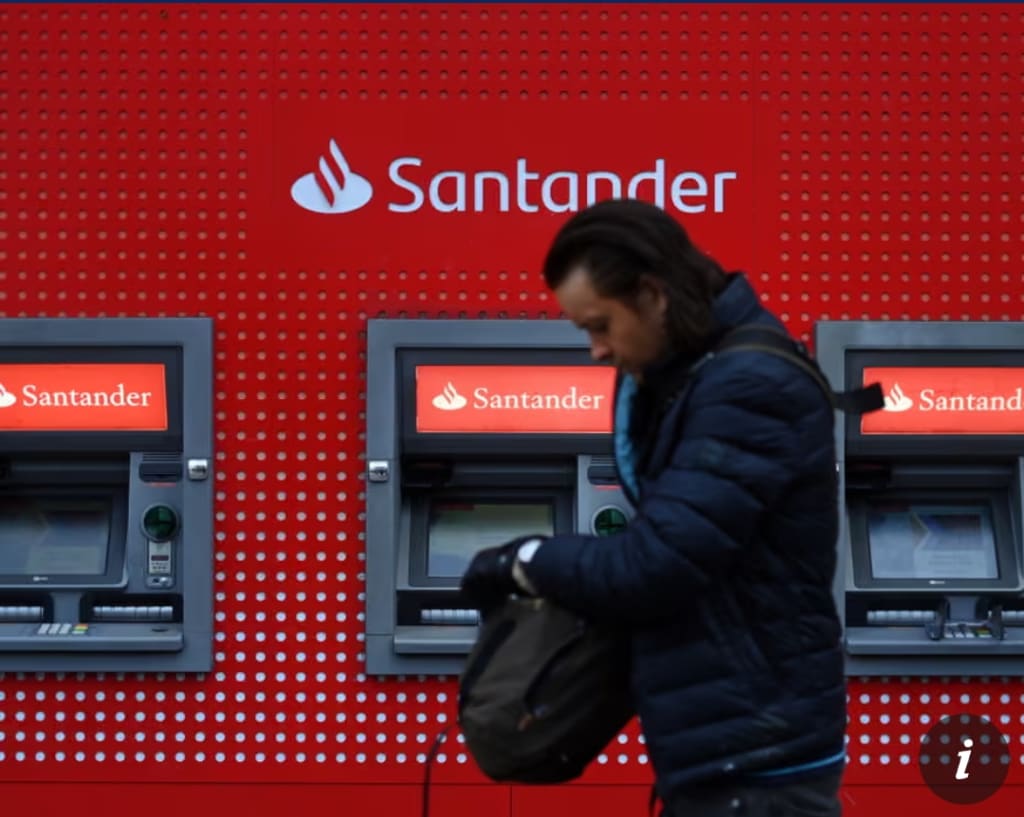
Santander’s Branch Closures
Santander UK has confirmed that it will close an additional 44 branches across the country as part of a strategic move to streamline operations. This announcement comes amid the bank’s preparation for its £2.6 billion acquisition of TSB, signaling a major shift in the UK retail banking landscape.
Bank officials state that the closures are necessary to rationalize physical infrastructure, focusing on digital services while maintaining customer accessibility. Despite the closures, Santander insists it will continue to provide services through online banking, telephone support, and its remaining branch network.
The £2.6 Billion TSB Takeover
The takeover of TSB is one of the largest in recent UK banking history. Santander’s acquisition is expected to:
Expand Santander’s footprint in the UK
Provide synergies in operations and customer services
Increase market share in retail and personal banking
However, the branch closures highlight a tension between digital banking expansion and traditional in-person banking services, raising concerns among communities that rely heavily on local branches.
Impact on Communities
Branch closures often have a significant effect on local communities, particularly in rural or underserved areas. Concerns include:
Reduced access to in-person financial services for elderly customers and those less familiar with digital banking
Job losses for branch staff
Potential challenges for small businesses that rely on local banking relationships
Community representatives and campaigners have called for banks to provide alternatives, such as mobile banking units or dedicated support for vulnerable customers, to mitigate the impact.
The Shift Toward Digital Banking
Santander has emphasized that the closures are part of a broader trend: the rapid shift toward digital banking. Key points include:
Customer behavior is changing, with online and mobile banking becoming increasingly popular
Digital services allow 24/7 access to accounts, payments, and financial management tools
Branch closures are intended to redirect resources toward improving digital platforms and customer experience
Despite this, analysts caution that not all customers are ready for fully digital services, especially older demographics who value personal interactions.
Financial Implications
Closing branches is also a financial decision. Operating physical branches is costly, and consolidating locations can:
Reduce overhead costs
Free up funds for technology upgrades
Improve profitability during major acquisitions
The £2.6 billion TSB takeover further emphasizes the need for cost efficiency, as Santander seeks to integrate TSB’s operations into its existing network.
Industry Perspective
Banking experts suggest that Santander’s moves are consistent with global trends in retail banking, including:
Increased reliance on digital and mobile platforms
Consolidation of branch networks
Focus on high-value customer services while minimizing operational costs
The decision to close branches while acquiring TSB mirrors similar strategies by other UK banks and international institutions, which are increasingly rethinking the role of physical branches in a digital-first world.
Employee and Customer Reactions
The announcement has drawn mixed reactions:
Employees express concern over job security and uncertainty during the TSB acquisition process
Customers worry about reduced access, especially in rural or suburban areas where alternative branches may be far away
Advocacy groups stress that banks should ensure fair transition plans for affected employees and customers
Santander has pledged to provide support for affected staff and to maintain service through digital and telephone channels, but skepticism remains among those most directly impacted.
Regulatory Oversight
The closures and acquisition fall under the scrutiny of UK banking regulators, who are responsible for ensuring:
Fair access to banking services
Protection of vulnerable customers
Compliance with merger and acquisition rules
Regulators have previously encouraged banks to consider the community and social impact of branch closures, particularly in areas where alternative services are limited.
The Future of UK Branch Banking
Santander’s latest move highlights a broader question: what is the future of physical banking in the UK?
Banks increasingly rely on digital and mobile platforms, with branches serving mainly as advisory and high-value service centers
Local communities must adapt to changing service models or advocate for solutions such as shared branches, mobile banking units, or community hubs
The TSB acquisition may accelerate these trends, creating a leaner, more digitally-focused banking network
While the transition is designed to meet modern demands, there remains a delicate balance between efficiency and accessibility for all customer groups.
Conclusion
Santander’s plan to close 44 more branches ahead of the £2.6 billion TSB takeover underscores the UK banking sector’s shift toward digital-first services and operational efficiency. While this strategy makes financial sense for the bank, it raises important questions about access, community impact, and employment.
As Santander moves forward, stakeholders—including regulators, employees, and customers—will be closely watching how the bank balances modernization with responsibility to communities. The decision reflects a larger trend in retail banking, where physical branches are no longer the primary point of contact, but accessibility, transparency, and support remain critical for maintaining public trust.
About the Creator
Keep reading
More stories from Aarif Lashari and writers in The Swamp and other communities.
Water Bills to Rise Again: Use Our Tool to Find Out by How Much
Rising Water Costs Affecting Millions UK households are bracing for another increase in water bills, following recent announcements from water providers. The rise comes amid inflation, infrastructure investments, and environmental regulations, which water companies cite as necessary reasons for higher charges.
By Aarif Lashariabout 21 hours ago in The Swamp
EU Council President Arrives in India to Seal Historic Trade Pact
New Delhi, India — The European Union’s top political representative, European Council President António Costa, has touched down in New Delhi, signalling a critical moment in long‑running negotiations with India over a free trade agreement (FTA) that both sides hope will reshape global economic ties. Costa’s arrival comes amid celebrations of India’s Republic Day and on the eve of a high‑stakes EU‑India summit, where leaders aim to finalize the deal after nearly two decades of diplomacy and talks.
By Salaar Jamali4 days ago in The Swamp
Man Admits Stab Murder of Former Work Colleague
A man has admitted to the fatal stabbing of his former work colleague, a crime that has sent shockwaves through the local community and reignited discussions about workplace conflict, emotional stress, and violence. The admission came during a court hearing where the accused formally pleaded guilty to murder, bringing a grim clarity to a case that has troubled investigators and the victim’s family for months.
By Ayesha Lashari3 days ago in The Swamp



Comments
There are no comments for this story
Be the first to respond and start the conversation.