
Russian Strikes Knock Out Heat in Freezing Kyiv as Peace Talks Continue
Missile and drone attacks cripple critical infrastructure in Ukraine’s capital, worsening winter hardships even as diplomatic efforts struggle to gain momentum.

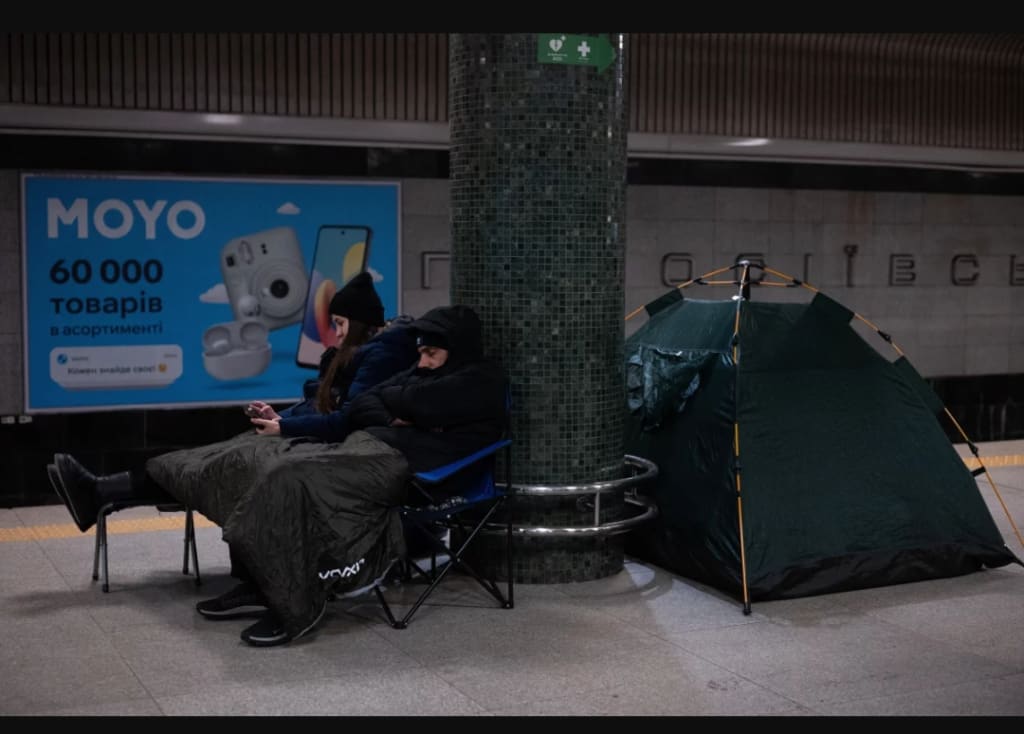
A City in the Cold Amid Ongoing War
Kyiv woke up to freezing temperatures and darkened apartment blocks after a fresh wave of Russian missile and drone strikes knocked out heating systems across large parts of the Ukrainian capital. As winter tightens its grip, the attacks have left thousands of residents without heat and hot water, compounding the humanitarian toll of a war that has already stretched into another brutal season.
The strikes targeted critical energy and utility infrastructure, Ukrainian officials said, damaging power plants, substations, and heat distribution facilities. Emergency crews rushed to assess the damage, but officials warned that full restoration could take days, if not longer, as air raid sirens continued to interrupt repair efforts.
For Kyiv’s residents, the situation is grim. With temperatures dropping well below freezing at night, many families have been forced to rely on electric heaters, blankets, and makeshift solutions—often in buildings already weakened by earlier attacks.
Infrastructure Under Pressure
Ukraine’s energy grid has been a recurring target since the early months of the conflict, but winter attacks carry added consequences. Heating systems in Kyiv are largely centralized, meaning damage to key facilities can leave entire neighborhoods without warmth.
City authorities implemented rolling outages to prevent further strain on the grid, urging residents to conserve electricity wherever possible. Schools in some districts shifted to remote learning, while hospitals activated backup generators to keep critical services running.
President Volodymyr Zelenskyy condemned the strikes, calling them an attempt to “freeze civilians into submission.” He emphasized that the attacks came despite ongoing discussions around peace and de-escalation, raising questions about Russia’s intentions at the negotiating table.
Civilian Life Disrupted
The human impact of the strikes is being felt most sharply by the elderly, children, and those with medical conditions. Shelters and “points of invincibility”—heated public spaces set up across Kyiv—quickly filled with residents seeking warmth, charging stations, and basic supplies.
Public transportation faced delays as power disruptions affected metro lines and electric buses. Small businesses, already struggling after years of conflict and economic strain, were forced to close temporarily, further disrupting daily life in the capital.
“I can handle the cold for a while,” said one Kyiv resident, wrapped in layers inside her apartment. “But it’s the uncertainty that’s hardest—when the heat will return, or when the next strike will come.”
Peace Talks Continue Under a Cloud
The timing of the strikes is particularly striking as peace talks continue through diplomatic channels involving regional and international mediators. While neither side has reported a major breakthrough, discussions have focused on humanitarian corridors, prisoner exchanges, and potential ceasefire frameworks.
Ukrainian officials argue that attacks on civilian infrastructure undermine the credibility of any peace effort. “You cannot talk about peace while deliberately targeting the systems that keep civilians alive in winter,” a senior government spokesperson said.
Russia, for its part, has maintained that its strikes are aimed at military and strategic targets, a claim Ukraine and its allies strongly dispute. Western governments have reiterated their support for Ukraine, condemning the attacks and pledging continued assistance, particularly in air defense and energy infrastructure repair.
International Response and Aid
Following the latest strikes, several European countries announced emergency aid packages, including generators, transformers, and heating equipment. International humanitarian organizations also stepped up efforts to deliver winter supplies such as thermal clothing, fuel, and insulation materials.
The European Union reiterated calls for restraint and urged both sides to prioritize civilian protection during negotiations. Analysts note, however, that winter has historically been used as leverage in conflicts, and Ukraine’s energy system remains a key vulnerability.
Resilience in the Face of Hardship
Despite the cold and uncertainty, Kyiv’s residents continue to show resilience. Volunteers distributed hot meals and blankets, while neighbors checked in on one another, sharing resources and information. Social media channels filled with updates on which districts had heat restored and where aid was available.
Local authorities stressed that while the situation is serious, it is not unprecedented. Kyiv has endured multiple winter campaigns under attack, and emergency plans are in place to stabilize the city as quickly as possible.
A Fragile Moment for Peace
As repair crews work around the clock to restore heat, the broader question remains whether peace talks can gain real traction amid continued strikes. For many Ukrainians, the contradiction is hard to ignore: diplomacy on one hand, missiles on the other.
The latest attacks on Kyiv’s heating infrastructure underscore the fragile nature of the current moment. Winter has once again become a battlefield, testing not only Ukraine’s energy systems but also the resolve of its people and the sincerity of ongoing peace efforts.
For now, Kyiv waits—bundled against the cold, listening for the sound of restored heat, and hoping that talks meant to end the war will one day bring more than words.
About the Creator
Asad Ali
I'm Asad Ali, a passionate blogger with 3 years of experience creating engaging and informative content across various niches. I specialize in crafting SEO-friendly articles that drive traffic and deliver value to readers.
Monster Winter Storm Threatens Half of US as at Least 16 States Declare Emergencies
A monster winter storm sweeping across the United States is threatening nearly half the country, prompting at least 16 states to declare emergencies as authorities brace for heavy snow, ice, powerful winds, and life-threatening cold. Meteorologists warn that the sprawling system could become one of the most disruptive winter weather events of the season, affecting tens of millions of people from the Plains to the East Coast.
By Aarif Lashari2 days ago in The Swamp
Gold Tops $4,900/oz; Silver and Platinum Extend Record‑Setting Rally
Gold surged past the $4,900 per ounce mark this week, continuing a historic rally that has captivated investors globally. Alongside gold, silver and platinum have also extended their record-setting climbs, driven by a combination of macroeconomic uncertainties, geopolitical tensions, and strong industrial demand. Analysts warn that this trend, while lucrative for investors, signals growing volatility in the global precious metals market.
By Salaar Jamali3 days ago in The Swamp



Comments
There are no comments for this story
Be the first to respond and start the conversation.