
Rupee Ends Week Strongly Against Majority of Popular Currencies
Improved market confidence and steady foreign inflows help the local currency regain momentum.

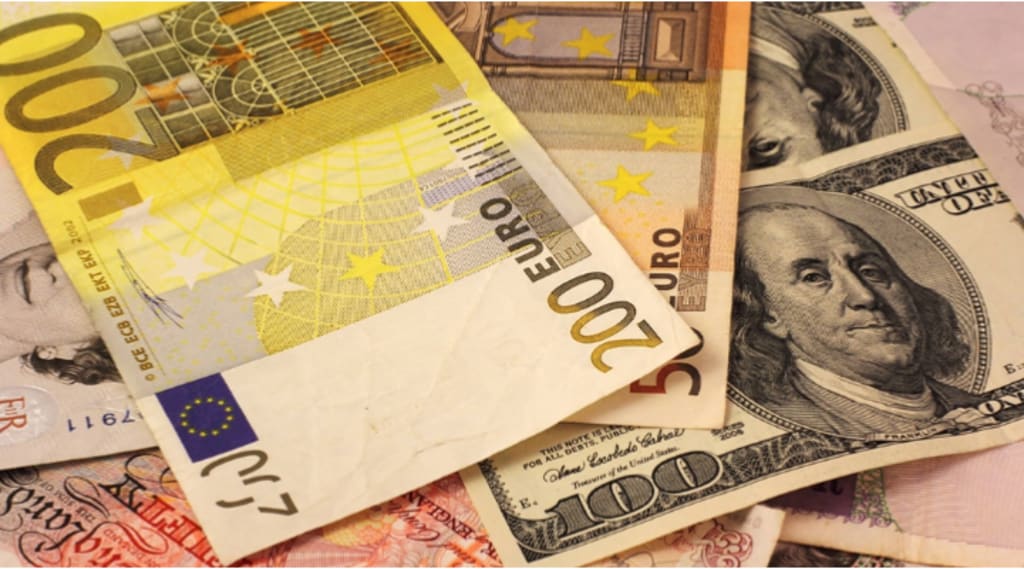
After a week marked by cautious optimism and renewed confidence in Pakistan’s financial outlook, the Pakistani rupee has ended the trading week on a strong note against a majority of popular international currencies. This performance comes as a welcome development for investors, importers, and consumers who have long faced the pressures of inflation and currency volatility.
The rupee’s upward momentum signals a period of relative stability in the foreign exchange market, offering a rare sense of relief after months of unpredictable fluctuations. While challenges remain on the economic front, the latest performance reflects a combination of improved market sentiment, stronger regulatory oversight, and favorable global trends.
A Week of Gradual Recovery
Throughout the week, the rupee demonstrated consistent strength against several major currencies, including the U.S. dollar, euro, and British pound. Rather than experiencing abrupt spikes, the currency showed gradual appreciation — a pattern that suggests sustainable progress rather than temporary speculation-driven movement.
Currency traders noted that demand for foreign exchange eased as remittances increased and import payments remained controlled. This balance between supply and demand helped stabilize the rupee and prevented sharp depreciation, which had previously troubled the market.
The steady trend also indicates that the market is beginning to trust recent economic measures taken by financial authorities to curb excessive volatility and discourage illegal currency trading.
Key Factors Behind the Rupee’s Strength
Several interconnected factors contributed to the rupee’s strong performance this week:
1. Improved Forex Supply:
Higher inflows from overseas Pakistanis provided much-needed support to the rupee. Remittances remain one of Pakistan’s most reliable sources of foreign exchange, and their steady arrival helped ease pressure on the local currency.
2. Controlled Import Activity:
With tighter regulations and higher import costs, non-essential imports have slowed. Reduced dollar outflow means less pressure on the rupee, allowing it to regain ground against other currencies.
3. Market Confidence and Stability:
Confidence plays a critical role in currency markets. As uncertainty surrounding economic policy and debt obligations eased slightly, traders adopted a more balanced stance, resulting in fewer panic-driven transactions.
4. Global Currency Movements:
International markets also influenced the rupee’s performance. As some global currencies weakened due to interest rate expectations and shifting economic data, the rupee benefited from a relative advantage in comparison.
Impact on the Local Economy
A stronger rupee has immediate and visible effects on Pakistan’s economy. One of the most significant benefits is the reduction in the cost of imported goods, particularly fuel, machinery, and essential commodities.
Lower import costs can eventually ease inflationary pressure, which has remained a major concern for households. When the rupee gains strength, the price of items such as cooking oil, medicine, and electronics can stabilize or decline slightly, providing relief to consumers.
For businesses, currency stability allows for better financial planning. Importers can calculate costs more accurately, while exporters can adjust strategies based on predictable exchange rates rather than reacting to sudden swings.
Mixed Reactions from Exporters
While many sectors welcome a stronger rupee, exporters view the development with cautious concern. A stronger currency can make Pakistani goods more expensive in foreign markets, potentially reducing competitiveness.
However, experts believe that short-term strengthening is unlikely to cause major disruption. Export-oriented industries often rely on productivity and quality improvements rather than exchange rates alone to stay competitive.
Some exporters also benefit from reduced input costs, as raw materials and machinery imported from abroad become cheaper when the rupee gains value.
Psychological Boost for Investors
Beyond economic calculations, the rupee’s performance has delivered a psychological boost to investors and the general public. Currency stability is often seen as a reflection of overall economic health, and this week’s results have helped restore some confidence in financial systems.
Stock market participants responded positively, viewing the stable currency as a sign that broader reforms may be taking effect. Retail investors, who previously rushed to convert savings into foreign currencies or gold, are now reconsidering their strategies as the rupee shows signs of resilience.
This shift in behavior further supports the rupee by reducing speculative demand for foreign currencies.
Challenges Still Ahead
Despite the encouraging trend, economists warn against excessive optimism. The rupee remains vulnerable to several ongoing risks:
Rising global oil prices could increase import bills.
External debt repayments continue to strain foreign reserves.
Political uncertainty can quickly reverse market confidence.
Global interest rate changes may strengthen major currencies, putting renewed pressure on the rupee.
These factors mean that while the rupee has ended the week strongly, maintaining this performance will require consistent policy implementation and careful economic management.
Government and Policy Role
Financial authorities have emphasized the importance of disciplined fiscal policy and transparent market regulation. Steps to combat illegal currency trading and improve monitoring of exchange companies have helped reduce market manipulation.
Additionally, ongoing negotiations with international financial institutions and friendly nations for financial support have strengthened expectations of stability. Even the perception of future inflows can significantly influence currency markets in the present.
Looking Ahead: A Fragile but Positive Outlook
As the week closes, the rupee stands in a stronger position than it did at the start. The improvement may be modest, but it carries symbolic value in an economy accustomed to negative currency headlines.
Experts predict that the coming weeks will test whether this momentum can be sustained. Much will depend on inflation data, foreign reserves, remittance flows, and political developments. If current conditions remain steady, the rupee could continue trading within a stable range rather than returning to sharp volatility.
For everyday Pakistanis, the rupee’s weekly performance brings a moment of reassurance. In a climate where economic news often triggers anxiety, even a short phase of currency strength can help rebuild confidence and encourage more balanced financial behavior.
Conclusion
The rupee ending the week strongly against a majority of popular currencies is more than just a numerical achievement—it reflects shifting sentiment, improved market discipline, and a fragile return of trust in Pakistan’s financial system. While long-term stability remains uncertain, the current trend offers hope that consistent policy and responsible economic management can gradually restore confidence in the national currency.
As markets move into the next trading week, all eyes will remain on the rupee’s performance, watching closely to see whether this newfound strength becomes a lasting pattern or simply a brief pause in a longer cycle of fluctuation.
About the Creator
Sajida Sikandar
Hi, I’m Sajida Sikandar, a passionate blogger with 3 years of experience in crafting engaging and insightful content. Join me as I share my thoughts, stories, and ideas on a variety of topics that matter to you.
Keep reading
More stories from Sajida Sikandar and writers in The Swamp and other communities.
Oil Gains With More Nuclear Talks Planned as US Forces Gather
Global oil prices climbed sharply as renewed nuclear negotiations coincided with reports of U.S. military forces gathering in strategic regions. The combination of diplomatic engagement and visible military positioning has injected fresh volatility into energy markets, pushing crude prices higher and reviving fears of supply disruptions.
By Sajida Sikandara day ago in The Swamp
The Saddest Thing - The Billionaires Who Rule America Aren't Even Enjoying Themselves
This single post says more about our ruling class than a thousand policy papers. The saddest thing about today's system is that the men robbing the rest of us - sabotaging our economic prospects, our pensions, our access to affordable healthcare - are not even happy.
By Scott Christenson🌴22 days ago in The Swamp
When the Shelter Closes
Across the street from my house, a man slept under a tree, his dog by his side. My first, naive thought: he must be traveling through. But he kept coming back, often sleeping there during the day. Then it hit me—that person might not have a home.
By Bride of Sound3 days ago in Humans




Comments
There are no comments for this story
Be the first to respond and start the conversation.