
Oil Gains With More Nuclear Talks Planned as US Forces Gather
Geopolitical tensions and diplomatic efforts reshape energy markets amid rising uncertainty

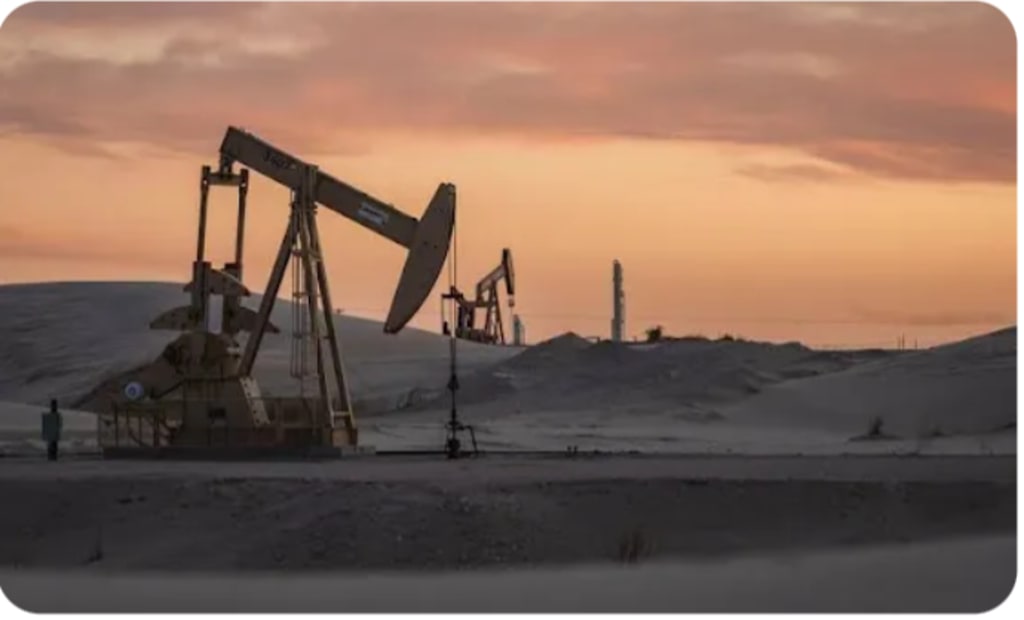
Global oil prices climbed sharply as renewed nuclear negotiations coincided with reports of U.S. military forces gathering in strategic regions. The combination of diplomatic engagement and visible military positioning has injected fresh volatility into energy markets, pushing crude prices higher and reviving fears of supply disruptions.
Investors are now weighing two opposing forces: the hope that diplomacy could stabilize a fragile region and the risk that escalating military activity could ignite broader conflict. This delicate balance has placed oil markets at the center of global geopolitical attention once again.
Markets React to Heightened Geopolitical Risk
Oil traders are highly sensitive to geopolitical developments, especially when they involve major oil-producing regions. The latest price increase followed announcements that more nuclear talks were planned between United States and Iran, while at the same time reports emerged of U.S. forces gathering near critical shipping routes and strategic bases.
Historically, any sign of military buildup in politically tense regions leads to a “risk premium” being added to oil prices. Markets price in the possibility that shipping lanes could be disrupted, refineries damaged, or production halted. Even without an actual conflict, the fear of potential disruption is often enough to drive prices upward.
The renewed talks have raised cautious optimism that a diplomatic breakthrough could eventually ease sanctions on Iran and allow more oil to flow into global markets. However, the presence of military forces signals that tensions remain unresolved, keeping traders on edge.
The Role of Nuclear Negotiations
Nuclear negotiations are central to the oil market narrative because Iran holds some of the world’s largest proven oil reserves. If sanctions were lifted following a successful agreement, Iranian crude exports could significantly increase global supply.
This possibility has two contrasting effects:
Short-term uncertainty fuels higher prices as traders worry about instability.
Long-term optimism could cap prices if markets anticipate additional supply.
At present, markets appear more focused on immediate geopolitical risks than on potential future supply. Talks may take weeks or months, and until a clear outcome emerges, uncertainty dominates sentiment.
Analysts note that diplomacy often moves slowly, while markets react instantly to headlines. This explains why oil prices rose despite the prospect of negotiations — investors are responding to the military dimension more than the diplomatic one.
Strategic Importance of the Region
The Middle East remains one of the most important regions for global energy supply. A large share of the world’s oil passes through narrow maritime chokepoints, particularly the Strait of Hormuz. Any disruption in this area could have immediate and severe consequences for energy prices worldwide.
The deployment of additional U.S. forces is seen as a preventive measure aimed at maintaining stability and protecting shipping routes. However, it also heightens tensions and raises the risk of miscalculation.
For energy markets, this creates a paradox: military presence is intended to deter conflict, yet it also increases the sense of danger. Traders must assess whether the situation will stabilize through diplomacy or deteriorate into confrontation.
Impact on Global Supply and Demand
Oil prices are influenced not only by geopolitics but also by broader supply and demand dynamics. Recent months have already seen tight supply conditions due to production limits maintained by OPEC and its allies.
Demand has remained resilient, driven by steady consumption in Asia and a gradual recovery in travel and industrial activity. When geopolitical risk is layered on top of already tight supply, price movements can become more pronounced.
In this context, even small disruptions or fears of disruption can have outsized effects. Energy markets are forward-looking, and traders price in scenarios before they happen. This explains why oil often rallies sharply on news of military tensions, even if no barrels have yet been removed from the market.
Financial Markets and Investor Sentiment
The rise in oil prices has had ripple effects across global financial markets. Energy stocks have benefited from higher crude prices, while transportation and manufacturing sectors face increased cost pressures.
Investors are also watching inflation closely. Higher oil prices feed into fuel and transportation costs, which can push inflation upward. This complicates the task of central banks already struggling to balance growth and price stability.
In times of geopolitical tension, oil becomes more than just a commodity — it turns into a barometer of global risk. Rising prices often signal growing anxiety about international relations and security.
The Dollar and Safe-Haven Assets
As oil prices climbed, traditional safe-haven assets such as gold and the U.S. dollar also saw renewed interest. This reflects a broader shift toward defensive positioning among investors.
A stronger dollar can sometimes limit oil’s upside, as crude is priced in dollars globally. However, when geopolitical risk is the dominant driver, both the dollar and oil can rise simultaneously — a sign that fear is outweighing normal market correlations.
This unusual alignment underscores how exceptional geopolitical moments can reshape standard economic relationships.
Risks Ahead
Several key risks could influence oil prices in the coming weeks:
Breakdown of negotiations: Failure of nuclear talks could intensify sanctions and raise the probability of confrontation.
Military escalation: Any clash involving U.S. forces or regional actors could cause an immediate spike in prices.
Unexpected supply shocks: Attacks on infrastructure or shipping could disrupt flows.
Global economic slowdown: Weak growth could reduce demand and partially offset geopolitical pressures.
The market’s current rally reflects fear more than fundamentals, which makes it vulnerable to sudden reversals if diplomatic progress is announced.
Outlook: Volatility Likely to Persist
Analysts widely expect continued volatility in oil prices as long as uncertainty remains. Headlines related to nuclear talks or troop movements can trigger sharp intraday swings, making energy markets particularly sensitive to political news.
In the short term, oil is likely to trade with an upward bias as long as tensions persist and supply remains constrained. However, any breakthrough in negotiations could quickly reverse gains and send prices lower as traders factor in the possibility of increased Iranian exports.
Longer term, the situation highlights how interconnected energy security and geopolitics have become. Oil markets no longer respond solely to production figures and demand forecasts — they now move on diplomatic signals and military developments.
Conclusion
Oil’s recent gains reflect a world caught between diplomacy and danger. The announcement of further nuclear talks offers hope for de-escalation, yet the gathering of U.S. forces underscores the seriousness of the situation. Together, these forces have injected uncertainty into energy markets and pushed prices higher.
For now, traders remain focused on the risk of disruption rather than the promise of additional supply. Until clearer outcomes emerge from negotiations and military posturing subsides, oil prices are likely to remain volatile and sensitive to every new headline.
The current rally serves as a reminder that in today’s global economy, energy prices are shaped not only by barrels and balance sheets, but by politics, power, and the fragile pursuit of stability.
About the Creator
Sajida Sikandar
Hi, I’m Sajida Sikandar, a passionate blogger with 3 years of experience in crafting engaging and insightful content. Join me as I share my thoughts, stories, and ideas on a variety of topics that matter to you.
Keep reading
More stories from Sajida Sikandar and writers in The Swamp and other communities.
US Dollar Price Forecast: DXY Dips on Tariff Risk – Are GBP/USD & EUR/USD Set to Fly?
The U.S. dollar has entered a fragile phase as markets digest renewed concerns over trade tariffs, slowing economic momentum, and shifting central bank expectations. The U.S. Dollar Index (DXY), which measures the greenback against a basket of major currencies, has recently slipped toward the 97.5 zone, signaling a cautious tone among investors.
By Sajida Sikandara day ago in The Swamp
A Gathering of Evil Bosses
“I’m the queen of chin jutting while I smooth my hair, attacking, insulting, and deflecting to protect my appointer.” “Oh, please, Blondi, my hair is curled, highlighted, and longer than yours. I feature television commercials telling immigrants that we will give them a free plane ride home, and if they voluntarily turn themselves in, they will be allowed to legally apply for re-entry. It runs everywhere, and I look good in it! You can’t compete because of your blond hair. Mine is nicer, and my lips are prettier than yours.”
By Andrea Corwin 10 days ago in The Swamp




Comments
There are no comments for this story
Be the first to respond and start the conversation.