
Royal Navy Takes Step Towards Hybrid Air Wing with First Flight of Proteus RWUAS
Proteus RWUAS Signals the Royal Navy’s Shift Toward a Crewed–Uncrewed Future at Sea

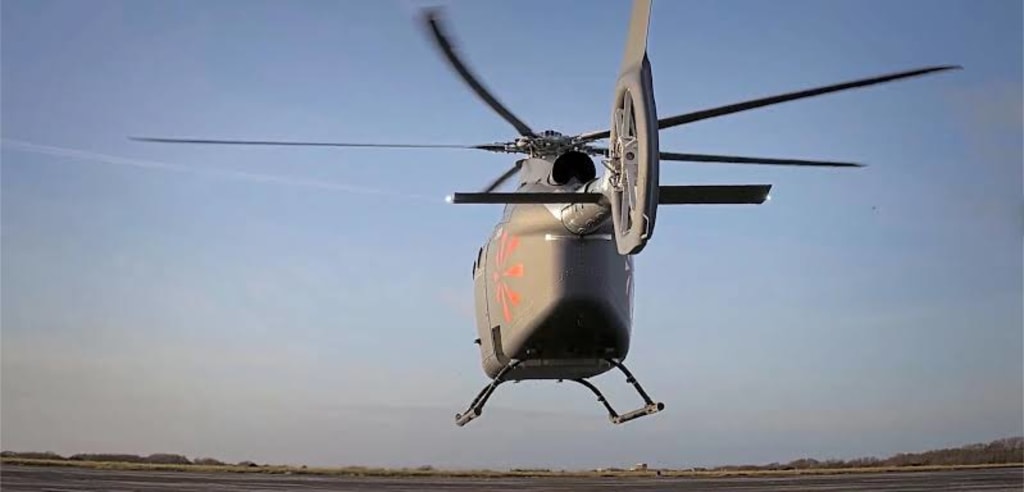
The Royal Navy has marked a significant milestone in the evolution of modern naval aviation with the successful first flight of the Proteus Rotary Wing Uncrewed Air System (RWUAS). This achievement signals a clear move toward a hybrid air wing—one where crewed helicopters and uncrewed aircraft operate side by side to enhance surveillance, combat support, and maritime security. As naval warfare becomes increasingly data-driven and technologically complex, the Proteus program reflects how the Royal Navy is preparing for future conflicts and operational demands.
A New Chapter in Naval Aviation
The Proteus RWUAS is a large uncrewed helicopter designed to operate from Royal Navy ships and shore bases. Unlike smaller drones, Proteus occupies a unique space between traditional crewed helicopters and lightweight uncrewed systems. It is intended to carry sophisticated sensors, radar systems, and potentially other mission payloads without risking aircrew lives. The first flight demonstrates not only the technical viability of the platform but also the Navy’s confidence in integrating uncrewed systems into frontline operations.
This development aligns with the Royal Navy’s long-term vision of creating a more flexible and resilient air wing. A hybrid force allows commanders to choose the most appropriate asset—crewed or uncrewed—based on mission requirements, risk levels, and operational tempo.
Why Hybrid Air Wings Matter
Hybrid air wings offer several advantages over traditional aviation models. Crewed helicopters, such as the Merlin and Wildcat, excel in complex missions that require human judgment, such as anti-submarine warfare, troop transport, and search-and-rescue. However, these missions can be costly, resource-intensive, and sometimes dangerous.
Uncrewed systems like Proteus can take on high-risk or long-endurance tasks, including intelligence, surveillance, and reconnaissance (ISR), maritime patrol, and electronic warfare support. By offloading these roles to uncrewed platforms, the Navy can extend operational reach while preserving crewed aircraft for tasks where human presence is essential.
Proteus is expected to operate alongside existing helicopters rather than replace them. This cooperative approach maximizes effectiveness while minimizing risk and cost, a balance that is increasingly important in an era of constrained defense budgets.
Capabilities of the Proteus RWUAS
Although detailed specifications remain limited, Proteus is designed as a modular and adaptable platform. Its rotary-wing design allows it to take off and land vertically, making it well suited for shipborne operations. This is crucial for the Royal Navy, which relies heavily on aircraft carriers, frigates, and destroyers operating far from land bases.
The system is expected to support advanced radar and sensor payloads, enabling it to track surface vessels, submarines, and aerial threats over wide areas. In the future, it could also support communications relay roles, electronic intelligence gathering, or even cooperative missions with crewed helicopters and fighter aircraft.
Importantly, Proteus is being developed with interoperability in mind. It is expected to integrate seamlessly with NATO systems and allied naval forces, ensuring that the Royal Navy can operate effectively in coalition environments.
Strategic Implications for the Royal Navy
The first flight of Proteus comes at a time when maritime threats are growing more complex. From contested sea lanes to the increasing use of drones and long-range weapons by potential adversaries, navies must adapt quickly. Uncrewed systems provide a way to maintain situational awareness and deterrence without significantly increasing manpower.
For the Royal Navy, Proteus supports its ambition to remain a technologically advanced force capable of operating globally. It also complements the Queen Elizabeth–class aircraft carriers, which are designed to project power far beyond UK shores. A hybrid air wing enhances the carriers’ ability to monitor vast maritime areas and respond rapidly to emerging threats.
Challenges Ahead
Despite the promise of Proteus, challenges remain. Integrating uncrewed systems into busy flight decks and complex command structures requires new doctrines, training programs, and safety procedures. Cybersecurity is another critical concern, as uncrewed platforms rely heavily on data links and autonomous systems that must be protected from interference.
There is also the human factor. Pilots, engineers, and commanders must adapt to working alongside uncrewed systems, trusting them as reliable partners rather than experimental tools. Building that trust will take time, testing, and operational experience.
Looking to the Future
The first flight of the Proteus RWUAS is more than a technical success; it is a statement of intent. It shows that the Royal Navy is embracing innovation to meet future challenges head-on. As testing and development continue, Proteus could become a cornerstone of a new era in naval aviation—one defined by collaboration between humans and machines.
In a rapidly changing security environment, the move toward a hybrid air wing ensures that the Royal Navy remains agile, capable, and ready for the conflicts of tomorrow.
About the Creator
Fiaz Ahmed Brohi
I am a passionate writer with a love for exploring and creating content on trending topics. Always curious, always sharing stories that engage and inspire.
Keep reading
More stories from Fiaz Ahmed Brohi and writers in The Swamp and other communities.
First New CalMac Ferry Handed Over by Turkish Shipyard: A Long-Awaited Milestone for Scotland’s Lifeline Fleet
After years of delays, cost overruns, and mounting public frustration, a significant milestone has finally been reached for Scotland’s ferry network. The first new Caledonian Maritime Assets Limited (CalMac) ferry to be built in Turkey has officially been handed over by the shipyard, marking a crucial step toward strengthening transport links for Scotland’s island communities. While the handover is being welcomed as a positive breakthrough, it also reopens debate about ferry procurement, resilience of public infrastructure, and lessons learned from past missteps.
By Fiaz Ahmed Brohi5 days ago in The Swamp
“I Was Hit in the Face by Pellets”
The echoes of gunfire and tear gas still linger in the border regions of Iran, where residents say security forces responded to growing protests with excessive violence. For many living in these remote areas, the line between daily survival and political resistance has blurred, as demonstrations against economic hardship and political repression continue to spread.
By Ayesha Lasharia day ago in The Swamp


Comments
There are no comments for this story
Be the first to respond and start the conversation.