
Portugal Votes in First Presidential Run-Off in 40 Years as Nation Faces a Historic Political Moment
A rare second-round election puts Portugal’s democracy in the spotlight, with voters weighing stability, reform, and the country’s future

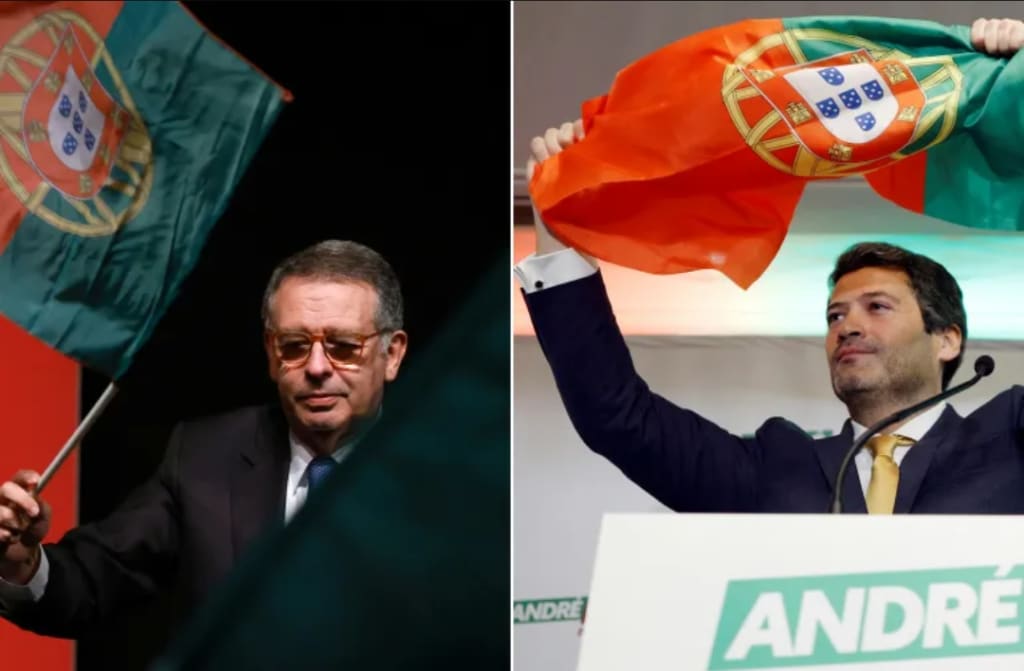
Portugal is witnessing a historic turning point as citizens head to the polls for the first presidential run-off in 40 years. The rare second round marks a dramatic shift in the country’s political landscape, highlighting growing voter polarization and the rise of new political forces challenging Portugal’s traditional parties.
Presidential elections in Portugal have usually produced clear winners in the first round. But this time, no candidate secured enough support to win outright, forcing a run-off that many analysts say reflects a deeper transformation in Portuguese society.
As voting takes place, Portugal is not only choosing a president—it is deciding what kind of leadership it wants in a changing Europe, at a time when economic pressures, immigration debates, and political trust are all under strain.
Why Portugal’s Presidential Run-Off Is So Significant
Portugal has not experienced a presidential run-off in four decades, making this election an extraordinary event. The last time the country saw such a contest, Portugal was still adjusting to its post-dictatorship democratic era.
A run-off is required when no candidate wins more than 50% of the vote in the first round. In most recent elections, Portuguese voters have given one candidate a comfortable lead early on. This year’s split vote suggests:
A more fragmented electorate
Weaker loyalty to traditional political parties
Rising support for outsider or anti-establishment candidates
A country divided between reform and continuity
For Portugal’s democracy, the run-off is a sign that voters are demanding more competition and clearer choices.
Portugal’s Political Climate: Why Voters Are Divided
Portugal has been seen as one of Europe’s more politically stable countries. However, recent years have brought challenges that have slowly changed voter behavior.
Key issues shaping public opinion include:
1. Cost of Living and Economic Pressure
Portugal has faced rising living costs, especially in major cities like Lisbon and Porto. Housing prices and rents have increased sharply, making life difficult for:
Young professionals
Middle-class families
Students
Low-income workers
Even though Portugal has experienced periods of economic recovery, many citizens feel that wages have not kept pace with inflation.
2. Housing Crisis and Urban Frustration
Housing has become one of Portugal’s most emotional political issues. Many locals blame:
Over-tourism
Short-term rentals
Foreign investment in property
Weak regulation and slow construction
This has fueled anger among voters who feel their cities are becoming unaffordable.
3. Immigration and Identity Debates
Like many European countries, Portugal has seen rising debates over immigration, integration, and national identity.
Portugal has historically been more open and welcoming compared to other nations. However, public opinion has become more complex, especially as:
Social services face pressure
Housing becomes more competitive
Cultural and political tensions rise across Europe
These debates have influenced voter support, especially in areas facing economic strain.
4. Trust in Government and Political Institutions
Many Portuguese voters have grown skeptical of politicians due to:
Corruption scandals
Bureaucratic inefficiency
Slow reforms
Concerns over transparency
The run-off election reflects this shift, as more voters support candidates promising accountability and stronger governance.
How Portugal’s Presidential System Works
Portugal’s president plays a unique role. While the prime minister leads the government day-to-day, the president is a powerful figure with authority to:
Appoint the prime minister
Dissolve parliament and call elections
Veto legislation
Act as a national symbol of unity
This means the presidential race is not just ceremonial. The winner can shape Portugal’s political stability, especially if parliament becomes divided or if a future government crisis emerges.
The Run-Off Candidates: A Choice Between Two Visions
While Portuguese elections often involve multiple parties and ideologies, a run-off reduces the contest to two candidates—forcing voters to make a direct choice.
In this election, the final two candidates represent different political paths:
One candidate is likely tied to traditional governance and stability, promising continuity and moderate reforms.
The other represents a more disruptive or reformist direction, tapping into public frustration and calls for change.
This kind of face-off is increasingly common across Europe, where elections are becoming battles between establishment politics and newer movements.
What Voters Are Watching Closely
As Portugal votes, several questions dominate the national conversation:
Will turnout increase in the run-off?
Run-off elections can either energize voters or cause fatigue. Higher turnout may indicate strong public engagement, while low turnout could raise concerns about political trust.
Will Portugal move toward political fragmentation?
If the election result is extremely close, it could signal long-term polarization, making future elections more unpredictable.
---
Will the winner strengthen national unity?
Portugal’s president is expected to serve as a unifying figure. In a divided climate, voters may prioritize calm leadership and social cohesion.
Portugal and Europe: Why This Election Matters Internationally
Portugal’s political direction is important not only domestically but also within the European Union.
The election outcome could influence:
Portugal’s relationship with EU economic policy
Social spending and budget decisions
Immigration policy alignment with Europe
Investor confidence in Portugal’s stability
Portugal’s role in broader European debates
With Europe facing uncertainty—from economic pressure to geopolitical tensions—Portugal’s stability is being watched closely.
What Happens After the Run-Off
Once votes are counted, the winning candidate will take office with a fresh mandate. But challenges will remain, including:
Fixing housing affordability
Managing inflation and wage stagnation
Strengthening public trust
Ensuring political stability in parliament
Navigating European policy pressures
If the election produces a narrow victory, the president may face a more divided public and a tougher task of uniting the country.
Final Thoughts: A Rare Election That Could Redefine Portugal
Portugal’s first presidential run-off in 40 years is more than just a historic statistic. It represents a nation in transition—one where voters are demanding stronger leadership, clearer solutions, and a future that feels more secure.
As Portugal votes, the country stands at a crossroads. The next president will not only represent Portugal internationally but will also play a key role in shaping its political stability at home.
Whether the run-off leads to continuity or change, one message is already clear: Portuguese voters are no longer predictable, and the country’s political future is entering a new era.
FAQs (People Also Ask)
Why is Portugal holding a presidential run-off?
Portugal is holding a run-off because no candidate won more than 50% of the vote in the first round, requiring a second round to decide the winner.
When was Portugal’s last presidential run-off?
Portugal has not had a presidential run-off in 40 years, making this election a historic moment.
How powerful is Portugal’s president?
Portugal’s president has significant powers, including appointing the prime minister, vetoing laws, and dissolving parliament to call elections.
What are the biggest issues influencing voters in Portugal?
Major issues include housing affordability, inflation, wages, political trust, and debates around immigration and national identity.
About the Creator
Asad Ali
I'm Asad Ali, a passionate blogger with 3 years of experience creating engaging and informative content across various niches. I specialize in crafting SEO-friendly articles that drive traffic and deliver value to readers.
The Saddest Thing - The Billionaires Who Rule America Aren't Even Enjoying Themselves
This single post says more about our ruling class than a thousand policy papers. The saddest thing about today's system is that the men robbing the rest of us - sabotaging our economic prospects, our pensions, our access to affordable healthcare - are not even happy.
By Scott Christenson🌴6 days ago in The Swamp
Russia Turns to India and Sri Lanka for a Way Out of Its Labor Crisis
Russia is increasingly turning to South Asian countries, particularly India and Sri Lanka, to address a growing labor shortage that has begun to strain key sectors of its economy. Facing demographic decline, workforce losses linked to the war in Ukraine, and tighter migration rules for Central Asian workers, Moscow is seeking new sources of manpower to sustain construction, manufacturing, and service industries. Officials in Russia have acknowledged that the country’s labor market is under severe pressure. With unemployment at historic lows and millions of workers absorbed into military service or defense-related industries, employers are struggling to fill vacancies. The government now views foreign labor recruitment as a strategic necessity rather than a temporary solution. A Shift in Migration Strategy For decades, Russia relied heavily on migrant workers from former Soviet republics such as Uzbekistan, Tajikistan, and Kyrgyzstan. These workers filled low-paying jobs in construction, transport, retail, and municipal services. However, stricter migration controls, rising social tensions, and security concerns have reduced the flow of labor from Central Asia. In response, Russian companies and state agencies have begun exploring recruitment agreements with India and Sri Lanka, countries with large working-age populations and established overseas labor networks. Recent delegations and bilateral talks have focused on simplifying visa processes, setting up training centers, and ensuring language and skills preparation for potential workers. An official from Russia’s Ministry of Labor said the goal is to create “orderly and regulated migration channels” that can meet economic needs while maintaining domestic stability. Why India and Sri Lanka? India offers a vast labor pool with experience in construction, engineering, healthcare, and information technology. Sri Lanka, meanwhile, has a long history of sending workers abroad, particularly to the Middle East, and has built systems to manage overseas employment. Both countries are also seeking foreign job opportunities for their citizens as part of their economic strategies. Remittances from overseas workers are a crucial source of income for Sri Lanka, while India continues to promote international labor mobility through bilateral agreements. Experts say Russia’s outreach reflects a broader realignment of labor markets driven by geopolitics. “Russia is diversifying its migrant workforce in the same way it has diversified its trade partners since Western sanctions intensified,” said a regional migration analyst. “South Asia is emerging as a key alternative.” Economic Pressures at Home Russia’s labor shortage is most visible in construction and manufacturing, where delays and rising wages have increased project costs. Major infrastructure developments and housing projects have slowed due to a lack of skilled and unskilled workers. The service sector has also been affected, with restaurants, delivery companies, and municipal services reporting staff shortages. Employers have raised wages to attract domestic workers, but this has added to inflationary pressures. Demographic trends further complicate the situation. Russia’s working-age population has been shrinking for years due to low birth rates and an aging society. The war in Ukraine has accelerated these trends by removing large numbers of men from the civilian workforce. Challenges and Risks While recruiting workers from India and Sri Lanka may ease immediate labor shortages, it also presents challenges. Language barriers, cultural differences, and legal protections for foreign workers must be addressed to prevent exploitation and workplace disputes. Human rights groups have warned that migrant workers in Russia already face discrimination and limited access to legal support. Expanding recruitment without strong safeguards could increase vulnerability to abuse. There are also political sensitivities. Some Russian politicians have expressed concern that large-scale migration could fuel social tensions. Balancing economic needs with domestic opinion will be a key test for the Kremlin. Looking Ahead Russia’s turn toward South Asia highlights the depth of its labor crisis and the country’s changing international relationships. If agreements with India and Sri Lanka move forward, they could reshape migration patterns that have long defined Russia’s workforce. For Moscow, the priority is clear: keep its economy functioning despite demographic decline and geopolitical isolation. For India and Sri Lanka, the opportunity lies in providing jobs abroad while strengthening diplomatic ties with a major power. Whether this strategy succeeds will depend on how well Russia manages integration, worker protections, and long-term demographic planning. What is certain is that labor migration has become another front in Russia’s effort to adapt to a rapidly changing global and domestic landscape.
By Fiaz Ahmed 6 days ago in The Swamp


Comments
There are no comments for this story
Be the first to respond and start the conversation.