
Nigerian Military Officers to Face Trial Over Alleged Coup Plot
Abuja – Nigeria’s Armed Forces Enter a New Chapter of Accountability
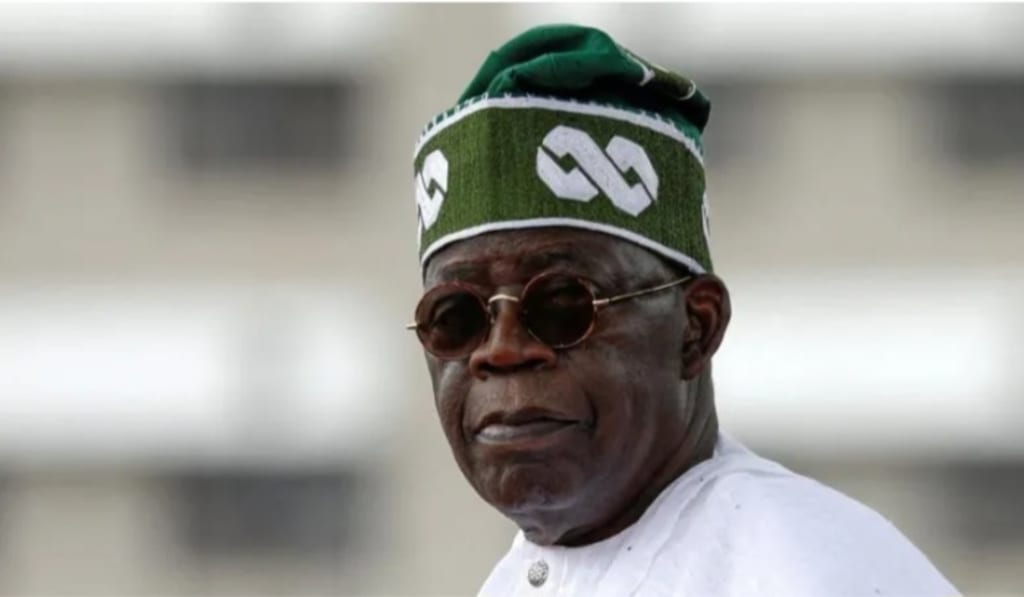
Nigeria’s Defence Headquarters has formally announced that a group of military officers will be tried over allegations that they conspired to overthrow the government of President Bola Ahmed Tinubu. The decision marks the first official acknowledgment by the country’s military that an internal investigation identified credible evidence of an alleged coup plot — a development that has drawn both domestic and international attention amid regional concerns about political stability in West Africa. �
AP News +1
The officers in question were first detained in October 2025, originally on charges described by military authorities as “issues of indiscipline and breaches of service regulations.” At the time, government and Defence Headquarters spokespeople framed the arrests as routine disciplinary action within military ranks. However, fresh disclosures this week confirm that a deeper probe linked some of those detained to an attempt to overthrow civilian leadership. �
AP News
Major General Samaila Uba, Director of Defence Information at the Defence Headquarters (DHQ), said the investigative panel concluded its work and identified “a number of the officers with allegations of plotting to overthrow the government” — conduct he said was “inconsistent with the ethics, values and professional standards required of members of the Armed Forces of Nigeria.” �
newsaf.cgtn.com
From Indiscipline to Coup Plot: How the Case Unfolded
The controversy began in early October 2025 when 16 officers — varying in rank from Captain to Brigadier General — were arrested by the Defence Intelligence Agency and other military security units. Initial statements from the DHQ cited infractions such as indiscipline and alleged breaches of service regulations. There was no direct public admission at that time that any attempted coup was involved. �
Businessday NG
Over subsequent weeks, local media and several international outlets began reporting rumors of a foiled coup attempt linked to the disruption of the October 1 Independence Day parade and alleged secret meetings among army officers. Those reports fueled public discussion and speculation in Nigeria and among foreign observers about the true scope of the alleged plot. �
Daily Report
Now, more than three months after the initial detentions, the military has confirmed that the formal investigation found “cases to answer” for several of the officers. Official military statements did not disclose exact names or the precise number of officers who will face trial, but they affirmed that the proceedings will follow established military legal procedures. �
AP News
Military Trial, Due Process, and Penalties
The officers identified by the panel will be arraigned before military judicial panels and face trial under the Armed Forces Act and other applicable service regulations. No trial dates have been publicly announced. �
newsaf.cgtn.com
According to some legal analysts, if found guilty of planning to overthrow the government, the officers could face severe penalties, including the death penalty under Nigerian military law — a provision that legal experts say remains on the books for treason‑related offenses. �
Africanews
In its official release, the DHQ emphasized that the trial process will uphold fairness, due process, and the rule of law while maintaining internal discipline within the army. The military also reiterated its commitment to constitutional authority, stating that the ongoing measures are designed to preserve order and operational readiness across the Armed Forces of Nigeria (AFN). �
allAfrica.com
Political and Regional Context
The news comes at a delicate moment in Nigerian politics and throughout West Africa. Several neighboring countries, including Benin and Guinea‑Bissau, have experienced coups or attempted coups in recent months, raising regional concerns about the resilience of democratic institutions and the role of military forces in governance. �
AP News
Nigeria, the continent’s most populous nation, transitioned to civilian rule in 1999 after decades of military governance. The country’s history includes multiple coups between 1966 and 1993, followed by a long period of relative democratic stability. Political analysts note that even rumors of military discontent can have broad implications for internal cohesion and investor confidence. �
Africanews
Domestically, President Tinubu’s administration has faced criticism over economic hardship, austerity measures, and concerns about security in several regions, contributing to public frustration that some observers believe could be exploited by actors inside or outside the military. While these conditions do not justify any alleged attempts to seize power, they offer context for understanding the pressures facing Nigeria’s political and security institutions. �
AP News
Official Responses and Presidential Oversight
Although the Tinubu government initially denied that the October arrests were linked to a coup plot, the president has since been briefed on the findings of the military investigation. Nigeria’s Defence Ministry and presidential aides have highlighted that the action against the officers is part of internal military discipline, not political repression, and reasserted their dedication to democratic governance. �
Businessday NG
Observers note that shortly after initial reports of unrest within the military, Tinubu took the rare step of reshuffling senior army leadership — a move interpreted by some as an attempt to shore up loyalty and prevent any break from constitutional authority. �
Africanews
The government has not released the full list of indicted officers or detailed allegations against them, and it is unclear how the trial(s) will unfold in the coming weeks. Nevertheless, the announcement of formal charges represents an important moment in Nigeria’s efforts to balance internal security with respect for democratic norms. �
AP News
What This Means for Nigeria’s Democracy
While the full implications of these developments will take time to unfold, experts say that how the government and military handle the trials could have lasting effects on national stability and public trust. Transparent proceedings and adherence to legal norms will be critical to reassure Nigerians and international partners that due process prevails over political or factional interests. �
allAfrica.com
For now, Nigeria finds itself at a crossroads between confronting deep institutional challenges within its armed forces and strengthening democratic accountability. The coming weeks of court martial proceedings will be closely watched both inside the country and by global audiences concerned with the future of democracy in Africa’s largest democracy. �
AP News
About the Creator
Keep reading
More stories from Ayesha Lashari and writers in The Swamp and other communities.
Alex Pretti: The ICU Nurse Whose Death in Minneapolis Stirred a Nation
On the morning of January 24, 2026, Alex Jeffrey Pretti, a 37‑year‑old intensive care nurse from Minneapolis, was shot and killed by federal Border Patrol agents during a sprawling immigration enforcement action in the city. Pretti was not a criminal, but a healthcare professional — a man dedicated to caring for others. His death has sent shockwaves through Minneapolis and across the United States, igniting protests, intense debate over federal enforcement tactics, and calls for accountability. �
By Ayesha Lasharia day ago in The Swamp
BMO Bullish Scenario Sees Gold at $8,650 and Silver at $220 by 2027
A New Era in Precious Metals Markets In a striking development for investors and markets alike, analysts at BMO Capital Markets have outlined an extraordinary bullish scenario for gold and silver prices. In a recent thought experiment detailed in a market note, BMO projected that, under specific conditions, gold could reach $8,650 per ounce and silver could surge to $220 per ounce by the end of 2027. While this view is not the firm’s “base case,” its implications paint a compelling picture of a financial landscape dramatically different from the past decade.
By Salaar Jamaliabout 14 hours ago in The Swamp
Winter Storm Snarls US Travel, Forces Mass Flight Cancellations
A major winter storm sweeping across the United States has caused widespread travel disruptions, forcing airlines to cancel thousands of flights and leaving travelers stranded at airports. Snow, ice, and high winds have combined to create hazardous conditions on roads, at airports, and in public transportation systems, prompting authorities to issue warnings and travel advisories.
By Aarif Lashari2 days ago in The Swamp




Comments
There are no comments for this story
Be the first to respond and start the conversation.