
MSF Statement on Sharing Staff Information and Humanitarian Operations in Palestine
Why Doctors Without Borders is standing firm on protecting its staff and mission

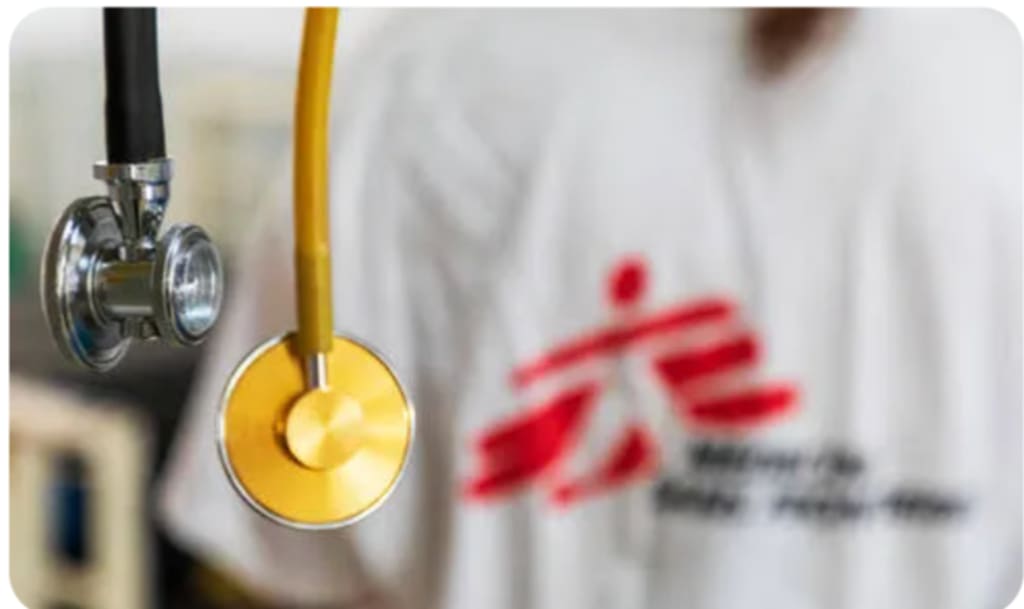
In a conflict zone where survival depends heavily on humanitarian aid, the safety and independence of aid workers remain critical. Médecins Sans Frontières (MSF), widely known as Doctors Without Borders, recently released a strong statement explaining its refusal to share personal information about its staff working in Gaza and the occupied West Bank. This decision comes amid growing pressure from Israeli authorities to provide detailed employee data as part of new registration requirements.
MSF’s stance is not simply about administrative paperwork. It reflects deeper concerns about staff safety, humanitarian neutrality, and the future of medical operations in one of the world’s most dangerous environments.
A New Policy with Serious Implications
In March 2025, Israeli authorities introduced a policy requiring international humanitarian organizations to submit personal data of their employees to continue operating in Palestinian territories. For MSF, this raised immediate alarm.
Operating in Gaza and the West Bank already carries extreme risk. Hospitals have been damaged, supply routes disrupted, and healthcare workers killed. MSF reports that since the escalation of violence in October 2023, 15 of its own staff members have lost their lives. Under these conditions, handing over sensitive personal information could expose workers to further danger and potential misuse of data.
MSF argued that such demands could blur the line between humanitarian work and political or security agendas. The organization insists that medical aid must remain neutral and independent, focused solely on saving lives regardless of politics.
Attempts to Reach a Compromise
Rather than rejecting the policy outright, MSF engaged in months of dialogue with Israeli authorities. In January 2026, the organization proposed a limited and conditional approach. It offered to consider sharing a defined list of Palestinian and international staff names only if strict guarantees were provided.
These conditions included:
Full consent from staff members before any data sharing.
Clear assurances that the information would be used only for administrative purposes.
Protection from harassment, intimidation, or targeting of MSF employees.
Respect for MSF’s independence in managing its operations.
Despite these efforts, MSF states that authorities failed to provide the guarantees necessary to ensure staff safety and data protection. As a result, the organization officially withdrew its willingness to share staff information under the current framework.
An Impossible Choice for Humanitarian Groups
MSF’s statement highlights the harsh reality humanitarian organizations now face: either comply with data-sharing demands that could endanger their workers or risk having their operations restricted or shut down entirely.
This dilemma has far-reaching consequences. Gaza’s healthcare system has been devastated by ongoing conflict. Many hospitals no longer function, and basic medical services such as burn care, maternity support, and trauma treatment are scarce.
During 2025 alone, MSF conducted over 800,000 medical consultations, assisted in one out of every three births, and supported one in five hospital beds in Gaza. These services are essential for civilians who have few alternatives for medical care.
If MSF were forced to suspend or reduce its operations, the impact on already suffering communities would be catastrophic.
Protecting Humanitarian Principles
At the heart of MSF’s refusal lies its commitment to three core principles: neutrality, independence, and impartiality.
Humanitarian organizations must be trusted by all sides in a conflict. Once staff data is handed over to a state authority without sufficient safeguards, that trust can be broken. Aid workers may be perceived as aligned with political interests, making them targets and undermining their ability to work safely.
MSF argues that protecting its staff is inseparable from protecting patients. When healthcare workers feel unsafe, medical services collapse. In a region where healthcare infrastructure has been severely damaged, this could mean the difference between life and death for thousands.
A Broader Humanitarian Crisis
The situation in Gaza and the West Bank continues to worsen. Civilians face shortages of food, clean water, fuel, and shelter. Winter conditions have increased health risks, particularly for children, pregnant women, and the elderly.
MSF warns that expelling or limiting humanitarian organizations will deepen the crisis. Aid groups are often the last lifeline for communities cut off from normal services. Their presence is not political; it is humanitarian.
By refusing to share staff information without adequate safeguards, MSF is sending a message that humanitarian work cannot function under conditions that compromise safety and ethics.
Looking Ahead
Despite the deadlock, MSF has made it clear that dialogue remains open. The organization continues to seek a solution that allows it to operate freely while ensuring the safety of its staff and the people it serves.
This moment represents a critical test for humanitarian action in conflict zones. It raises urgent questions about how aid organizations can maintain independence while navigating increasingly complex political and administrative pressures.
Ultimately, MSF’s stance underscores a powerful truth: protecting the lives of those who provide medical care is just as important as protecting the lives of those who receive it.
In a region marked by destruction and uncertainty, the ability of humanitarian workers to operate safely and independently remains one of the few sources of hope for civilians caught in the crossfire.
About the Creator
Sajida Sikandar
Hi, I’m Sajida Sikandar, a passionate blogger with 3 years of experience in crafting engaging and insightful content. Join me as I share my thoughts, stories, and ideas on a variety of topics that matter to you.
Keep reading
More stories from Sajida Sikandar and writers in The Swamp and other communities.
Israel Reopening Gaza’s Border Crossing With Egypt on Sunday After Long Closure
After nearly two years of closure, Israel has announced that the Rafah border crossing between Gaza and Egypt will reopen on Sunday, marking a significant moment for thousands of Palestinians who have been cut off from the outside world. While the reopening will be limited and tightly controlled, it carries deep humanitarian and political meaning in a region still reeling from conflict.
By Sajida Sikandara day ago in The Swamp
A Better Greenland Deal: Redefining Arctic Diplomacy for the 21st Century
Greenland — that massive icy island up north — is suddenly back in the headlines. In early 2026, it became the center of an international stir, thanks to bold statements from U.S. leaders about its strategic value. What started as vague discussions about “total access” soon turned into diplomatic tension, protests in Copenhagen and Nuuk, and a worldwide debate about what a better Greenland deal should look like.
By Aqib Hussain3 days ago in The Swamp
Exclusive: Trump Says Hamas Helped Find Last Hostage, Now Must Disarm
In a statement that has quickly made international headlines, former U.S. President Donald Trump claimed that Hamas helped locate the remains of the final Israeli hostage, calling the moment a turning point in the long-running Gaza conflict. But Trump didn’t stop there. According to him, this cooperation comes with a condition — Hamas must now disarm.
By Aqib Hussain5 days ago in The Swamp


Comments
There are no comments for this story
Be the first to respond and start the conversation.