
A Better Greenland Deal: Redefining Arctic Diplomacy for the 21st Century
How Respecting Sovereignty, Sharing Security, and Promoting Economic Opportunity Can Shape a Win-Win Future for Greenland and the World
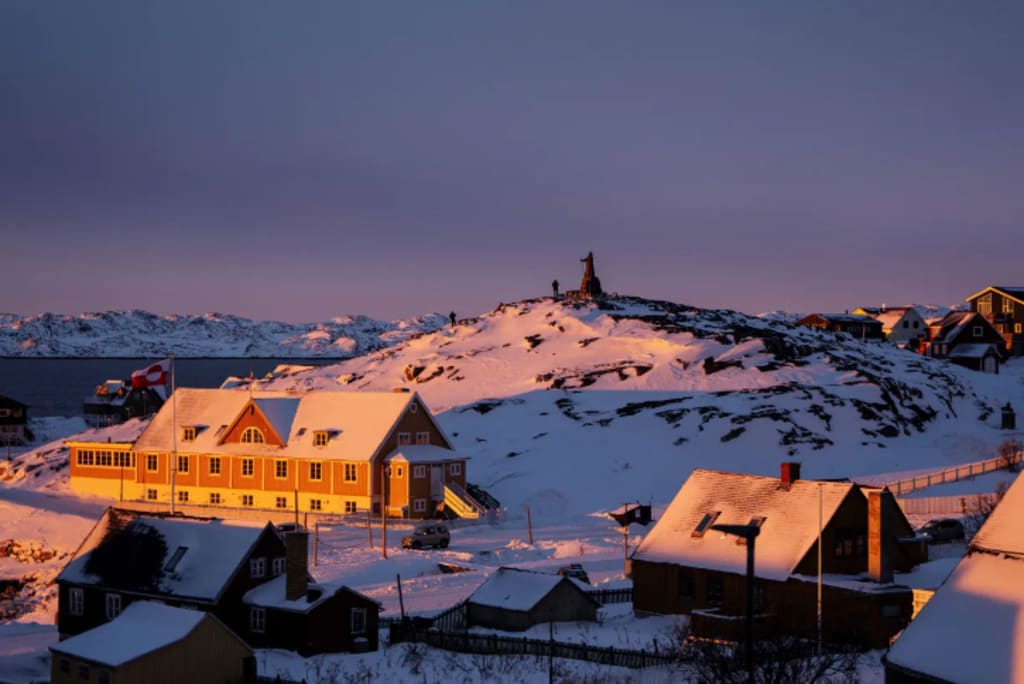
Greenland — that massive icy island up north — is suddenly back in the headlines. In early 2026, it became the center of an international stir, thanks to bold statements from U.S. leaders about its strategic value. What started as vague discussions about “total access” soon turned into diplomatic tension, protests in Copenhagen and Nuuk, and a worldwide debate about what a better Greenland deal should look like.
For years, Greenland has been seen as a strategic chess piece — prized for its location, mineral wealth, and military importance. But any real deal has to consider something far more important than maps and resources: the people of Greenland themselves.
Why the World is Watching Greenland
Greenland’s appeal is obvious to the outside world:
Arctic security hotspot: Its location makes it key to monitoring northern movements, especially from Russia. It also sits along shipping lanes opening up as ice melts.
Rich in rare minerals: Greenland holds resources vital to technology, renewable energy, and defense industries.
Economic potential: Investment could diversify Greenland’s economy, which still heavily relies on fishing and Danish support.
But there’s a catch. While countries like the U.S. and EU eye its potential, Greenlanders and Denmark are clear: sovereignty is non-negotiable. Any agreement without Greenlandic consent is unacceptable.
The Trump Shock
In January 2026, former President Donald Trump claimed to have created a “framework of a future deal” regarding Greenland. He suggested it would give the U.S. long-term strategic access and economic opportunities.
Sounds promising? Not so fast.
The details were vague. No treaty text, no roadmap, no clarity on how security or economic projects would actually work. Naturally, confusion — and suspicion — grew. Greenlanders, alongside Danish leaders, emphasized that any agreement must include them at the table from day one.
Greenland Is Not for Sale
It’s worth remembering that Greenland is not Alaska — it’s not a territory to be bought or bartered. Past proposals that framed Greenland as a “prize” have been widely criticized as outdated and colonial.
Greenland has a growing political voice and a distinct Inuit culture. A better deal respects this. Any external interest must be approached as a partnership, not a purchase.
What Makes a Better Greenland Deal?
So what would a better Greenland deal look like? Here are the four core principles:
1. Respect Sovereignty
Greenland’s people must lead their own future. Decisions on security, economy, and partnerships cannot happen without Greenlandic consent. A true deal means Greenland has a voice in every step.
2. Economic Fairness and Environmental Care
Investment and resource extraction should benefit Greenland directly. That means fair profit-sharing, community involvement, and strict environmental protections. The Arctic is fragile — and short-term gains should never come at the cost of long-term survival.
3. Shared Security, Not Hegemony
Rather than unilateral control, security cooperation should be multilateral. NATO allies and partners can collaborate on defense, Arctic monitoring, and training, but no one should dominate Greenlandic decisions.
4. Inclusive Global Engagement
Greenland’s future shouldn’t be a battleground for great power competition. Partnerships with the EU, the U.S., and others should focus on education, technology, research, and infrastructure — a win-win approach that benefits the island and the world.
The Road Ahead
Recent diplomatic moves show cautious optimism. Talks between the U.S., Denmark, and Greenland aim to balance security interests with sovereignty. This is a positive shift from tweets and threats to structured negotiations.
But progress requires patience. A better Greenland deal isn’t about headlines — it’s about listening, respecting local voices, and building long-term partnerships.
Why This Matters
Why should we care about Greenland beyond the political drama? Because the Arctic’s future affects the planet:
Melting ice opens new shipping lanes.
Climate change impacts global sea levels.
Minerals from Greenland could power green technology worldwide.
A deal that treats Greenland as a partner — not a prize — ensures security, prosperity, and sustainability for everyone.
Bottom Line
A better Greenland deal is possible. It must respect sovereignty, deliver fair economic returns, protect the environment, and promote shared security. Greenland is not just a strategic location or a mineral treasure; it’s a community with a voice.
Treating it as such isn’t just smart diplomacy — it’s the only way to ensure long-term stability in the Arctic.
This blog format uses short paragraphs, clear subheadings, and conversational phrasing, making it engaging and easy to read online — perfect for Vocal Media or any blog platform.
About the Creator
Keep reading
More stories from Aqib Hussain and writers in The Swamp and other communities.
Tearful Carol Kirkwood Announces Her Departure from BBC: A Heartfelt Farewell to a Beloved Meteorologist
In a tearful moment that touched the hearts of millions, Carol Kirkwood, one of the most beloved faces of BBC Weather, announced that she will be leaving her role at BBC. After decades of service, Kirkwood’s departure has left fans in shock, and her farewell message was both emotional and heartfelt, reflecting on her career and the joy she has experienced in her time at the broadcaster.
By Ayesha Lashari2 days ago in The Swamp


Comments
There are no comments for this story
Be the first to respond and start the conversation.