
Israel Reopening Gaza’s Border Crossing With Egypt on Sunday After Long Closure
An important yet cautious step toward humanitarian relief amid fragile ceasefire efforts.

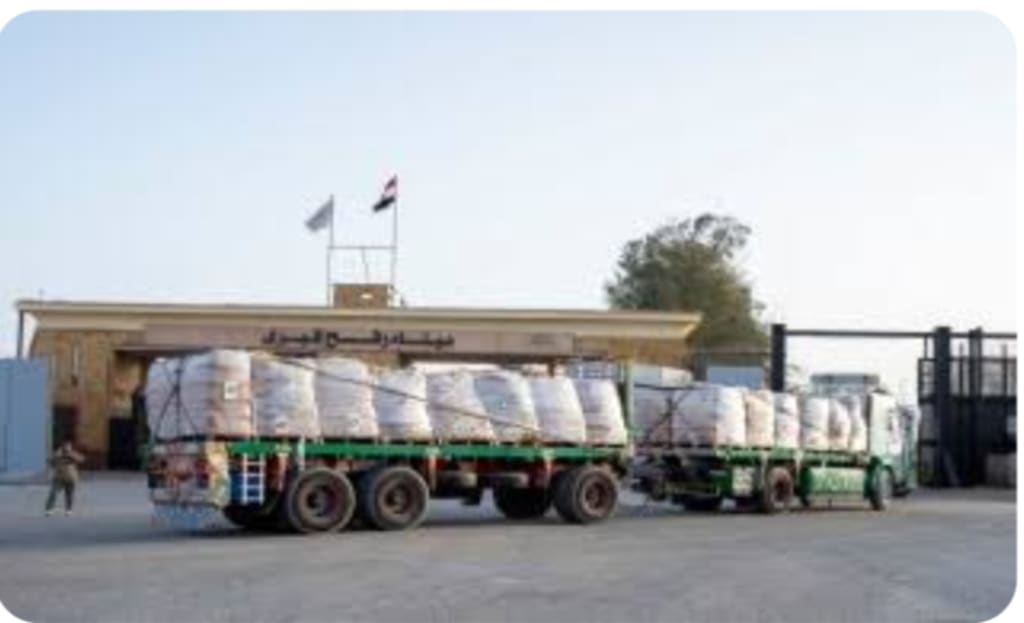
After nearly two years of closure, Israel has announced that the Rafah border crossing between Gaza and Egypt will reopen on Sunday, marking a significant moment for thousands of Palestinians who have been cut off from the outside world. While the reopening will be limited and tightly controlled, it carries deep humanitarian and political meaning in a region still reeling from conflict.
For many in Gaza, the Rafah crossing represents more than a checkpoint—it is the only gateway to medical care, family reunification, and a chance at normal life beyond the borders of the besieged enclave.
Why the Rafah Crossing Was Closed
The Rafah crossing was effectively shut down in May 2024 after Israeli forces took control of the Palestinian side of the border during intense military operations against Hamas. Since then, movement in and out of Gaza has been nearly impossible except in rare and emergency cases.
The prolonged closure has had devastating consequences. Thousands of civilians who required medical treatment abroad were unable to leave. Families were separated. Students and workers lost opportunities. Gaza’s already fragile healthcare system collapsed further under the strain of war and shortages of equipment, fuel, and medicines.
For nearly two years, Rafah stood as a symbol of isolation and humanitarian crisis.
What the Reopening Will Look Like
According to Israeli authorities, the reopening will begin with limited pedestrian movement only. No commercial goods or large-scale humanitarian convoys will pass through at this stage. The focus will be on allowing specific groups—mainly medical patients and selected civilians—to cross under strict security supervision.
European Union border monitors are expected to oversee operations, working alongside Israeli and Egyptian officials. Movement will be slow and carefully regulated, with only a small number of people allowed to cross each day.
Reports suggest that approximately 50 medical patients per day, along with one or two family members each, will be permitted to exit Gaza. A similar number of people who previously left Gaza may be allowed to return.
While this is far from a full reopening, it represents the first sustained opening of Rafah in almost two years.
A Ray of Hope for Gaza’s Medical Crisis
The most immediate impact will be felt in Gaza’s overwhelmed healthcare sector. Hospitals have been damaged or destroyed, and many specialized treatments—such as cancer therapy, complex surgeries, and trauma rehabilitation—are no longer available locally.
Health officials estimate that tens of thousands of Palestinians are in urgent need of medical evacuation. Many patients, especially children and the elderly, have died while waiting for permission to leave Gaza for treatment.
For these families, the reopening offers a lifeline. Even limited access could save lives and reduce the immense suffering caused by the prolonged blockade.
However, humanitarian groups warn that allowing people to leave without allowing supplies to enter will not solve Gaza’s broader crisis. Food shortages, lack of clean water, and medicine scarcity remain critical issues.
Political and Diplomatic Dimensions
The reopening of Rafah is closely tied to a broader U.S.-brokered ceasefire framework between Israel and Hamas. It is seen as part of a second phase aimed at easing humanitarian conditions while maintaining Israeli security control.
Israeli Prime Minister Benjamin Netanyahu has emphasized that wider reconstruction efforts and expanded border openings depend on Hamas disarmament and the dismantling of its military infrastructure. Israel remains deeply concerned that weapons or militants could pass through the crossing if controls are loosened too quickly.
The decision also follows progress on hostage-related negotiations, including the recovery of the remains of the last Israeli hostage in Gaza—an emotionally significant event for Israeli society.
This highlights how humanitarian steps remain intertwined with political and security calculations.
Challenges and Uncertainty Ahead
Despite its symbolic importance, the reopening will not immediately change daily life for most Gazans. With over two million people living in Gaza, the number allowed to cross each day will barely scratch the surface of the need.
There are also logistical challenges. Managing returnees, coordinating medical evacuations, and ensuring security will test the fragile systems in place. Any breakdown in trust or new outbreak of violence could quickly halt the process again.
Humanitarian organizations have urged all parties to expand access beyond individuals and include regular shipments of food, fuel, and medical aid. Without this, the reopening risks becoming more symbolic than transformative.
A Small Opening With Big Meaning
The reopening of Gaza’s Rafah crossing after such a long closure is a cautious but powerful step. For many Palestinians, it restores a sense of connection to the outside world and offers hope that suffering may finally begin to ease.
While the move does not resolve the conflict or the humanitarian catastrophe, it signals that diplomacy and negotiation can still produce tangible outcomes—even in the most fragile circumstances.
The coming weeks will reveal whether this reopening becomes the foundation for broader humanitarian access or remains a narrow corridor of relief. Either way, for families waiting desperately for medical care or reunion with loved ones, Sunday’s reopening carries enormous emotional and practical weight.
In a region scarred by years of war and loss, even a small opening can represent the possibility of change.
About the Creator
Sajida Sikandar
Hi, I’m Sajida Sikandar, a passionate blogger with 3 years of experience in crafting engaging and insightful content. Join me as I share my thoughts, stories, and ideas on a variety of topics that matter to you.
Keep reading
More stories from Sajida Sikandar and writers in The Swamp and other communities.
CNBC's Inside India newsletter: EU edges out U.S. in getting India to slash auto tariffs, but can European carmakers win big?
India’s automobile sector, long shielded by some of the world’s highest import tariffs, is showing signs of opening up—and Europe appears to have taken the lead. In a notable shift in trade diplomacy, the European Union has edged ahead of the United States in persuading India to consider reducing its steep duties on imported vehicles. This development, highlighted in CNBC’s Inside India newsletter, marks a potential turning point for global carmakers seeking access to one of the fastest-growing auto markets in the world. Yet even as trade doors begin to open, the central question remains: can European car manufacturers truly win big in India?
By Sajida Sikandar2 days ago in The Swamp


Comments
There are no comments for this story
Be the first to respond and start the conversation.