
Minneapolis Protesters March Against ICE as Governor Urges Trump to Remove Agents
: Demonstrations erupt across Minneapolis after fatal federal agent shooting, with protesters demanding removal of ICE agents and state leaders urging Washington to end the controversial enforcement operation.


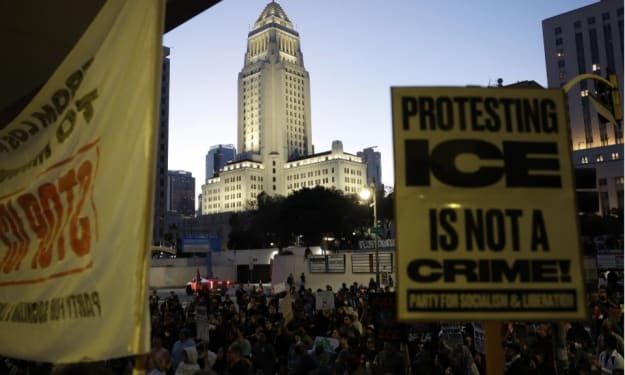
Minneapolis has become the epicenter of a tense confrontation between local communities and federal immigration enforcement, as hundreds of protesters marched against Immigration and Customs Enforcement (ICE) following the fatal shooting of a U.S. citizen by federal agents. The marches come amid widespread outrage and renewed calls by Minnesota Governor Tim Walz for President Donald Trump to withdraw federal immigration agents from the state.
What began as a localized protest has quickly grown into a symbol of resistance against federal immigration policy and law enforcement tactics. Residents, activists, labor unions, and public officials are demanding accountability, transparency, and an end to what they describe as an aggressive and harmful federal presence in their communities.
---
The Spark: Fatal Shooting and Growing Anger
The march followed the shooting death of 37‑year‑old Alex Pretti, a Minneapolis ICU nurse and U.S. citizen, who was shot and killed by a U.S. Border Patrol agent on January 24 during a federal immigration enforcement operation. Pretti was reportedly present as a legal observer and was among a group of protesters supporting local demonstrations against the federal surge of officers.
Federal authorities maintained their agents acted lawfully, claiming Pretti posed a threat. However, multiple eyewitness accounts and video footage circulating on social media appear to contradict official statements, showing him holding only a phone and not acting violently at the moment of the shooting.
The incident was the second fatal shooting by federal immigration agents in Minneapolis in recent weeks, with the earlier killing of Renee Good already stirring local and national concern.
---
Mass Mobilization: Protesters Take to the Streets
In response to the shooting, hundreds of protesters took to Minneapolis streets, chanting slogans such as “ICE out!” and “Justice for Pretti!” Demonstrators carried signs demanding federal agents leave the city and that local authorities be allowed to lead investigations into the fatal encounter.
The demonstrations remained largely peaceful, with many participants emphasizing the need for accountability and systemic changes to immigration enforcement practices. Labor organizations, including the AFL‑CIO, have joined calls to end ICE operations in Minnesota, warning that continued federal enforcement could lead to further violence and community harm.
Clergy members, community leaders, and families of other victims have also marched and spoken at vigils, commemorating Pretti’s life and pushing for broader reforms.
---
Governor Walz’s Plea: Federal Agents Must Withdraw
Amid the protests, Governor Tim Walz has been vocal in his criticism of the federal immigration operation. In a press conference, Walz called on President Trump to remove the nearly 3,000 federal agents deployed in Minnesota, arguing that their presence has inflamed tensions and led to unnecessary loss of life.
“What’s the plan, Donald Trump?” Walz asked. “What do we need to do to get these federal agents out of our state?” He described the situation not as a political dispute, but as a moral issue, asking Americans to consider whether they stand with federal overreach or with community safety and justice.
Walz’s comments highlighted deep mistrust between state officials and the federal government, particularly over allegations that federal agents have restricted state investigators’ access to the shooting scene and have not cooperated fully with local authorities.
---
Law Enforcement and National Guard Deployment
In the wake of rising demonstrations, Walz also activated the Minnesota National Guard, authorizing additional support for local law enforcement to manage large gatherings and maintain public safety. While the National Guard’s role is not to confront federal agents, its deployment underscores the intensity of the situation and the state’s efforts to keep demonstrations orderly.
Local police chiefs have urged calm and cooperation as protests continue, balancing the right to peaceful assembly with concerns about safety and potential escalations.
---
Federal Response and Political Clash
The Trump administration has defended the presence of ICE and Border Patrol agents, with senior officials arguing the operation is necessary to enforce immigration laws and maintain public safety. Federal spokespeople have reiterated claims that agents acted appropriately, despite mounting contradictory evidence in the Pretti case.
The federal government’s stance has drawn criticism from local leaders and civil rights advocates alike, who say the enforcement tactics feel punitive and ignore community trust. Conflict between state and federal authorities has spilled into public view, with Minnesota’s attorney general pursuing legal actions to obtain evidence and ensure transparency.
---
Broader Implications: A Turning Point in Immigration Debate
The protests in Minneapolis reflect broader national tensions over immigration enforcement, federal authority, and community rights. What began as opposition to sanctuary policies and enforcement practices has evolved into a larger call for accountability and reform.
Some Democrats in Congress have already threatened to block key funding for the Department of Homeland Security — including funds for ICE — unless major reforms are pursued, arguing that continued funding without oversight would signal tacit approval of aggressive tactics.
Public opinion appears deeply divided, with some Americans supporting a strong federal response to undocumented immigration, while others worry about aggressive enforcement’s human and constitutional costs. The Minneapolis protests — and Walz’s demand that Trump remove agents — may become a flashpoint in national discussions on immigration and law enforcement policy.
---
Looking Ahead
As protests continue and the political battleground intensifies, Minneapolis remains at the center of a heated debate with national ramifications. Residents and leaders alike are watching closely to see whether federal agents will withdraw, whether state and local investigations will move forward, and how the nation will grapple with questions of justice, safety, and federal power.
For many, the march against ICE is more than a reaction to a single shooting — it is a demand for accountability, respect for civil rights, and a reassessment of how immigration enforcement operates within American communities.
About the Creator
Keep reading
More stories from Salaar Jamali and writers in The Swamp and other communities.
Trump Calls on Congress to Pass Legislation Ending Sanctuary Policies
Former President Donald Trump has intensified his long-standing push against sanctuary city policies, calling on Congress to pass legislation that would end such policies nationwide. Speaking at a rally in Phoenix, Arizona, Trump framed sanctuary cities as a threat to public safety and a challenge to federal law enforcement, reigniting a heated national debate over immigration policy, state versus federal authority, and the future of local enforcement discretion.
By Salaar Jamalia day ago in The Swamp
Queen Elizabeth II Statue Will Be Standing and Not on Horseback
Plans for a new statue of Queen Elizabeth II have confirmed that the monarch will be depicted standing, rather than on horseback, sparking discussions about the design, symbolism, and legacy of the late Queen. The statue is part of a broader effort to commemorate her 70-year reign and provide a lasting tribute to her life and contributions.
By Aarif Lashari4 days ago in The Swamp
‘Make America Go Away’: Red Caps Become a Symbol of Defiance in Greenland Standoff
In the icy landscapes of Greenland, far from Washington and global power centers, a quiet but symbolic form of resistance has emerged. Red caps emblazoned with the words “Make America Go Away” have begun appearing at protests and public gatherings, turning into an unexpected emblem of defiance during a growing political standoff involving Greenland, Denmark, and the United States.
By Muhammad Hassan7 days ago in The Swamp


Comments
There are no comments for this story
Be the first to respond and start the conversation.