
Mine Collapses in Eastern Congo, Leaving at Least 200 Dead
A Tragic Disaster Shakes the Heart of Congo's Resource-Dependent Economy Amid Widespread Neglect of Safety Protocols
Introduction: A Deadly Tragedy in Eastern Congo
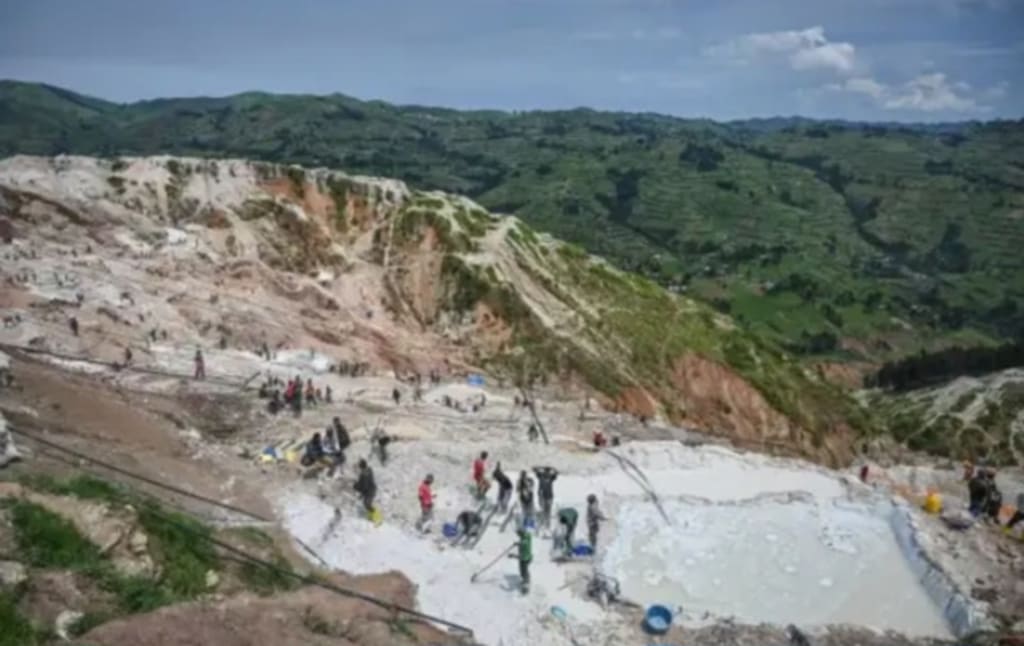
In a catastrophic incident that has shocked the world, at least 200 people are feared dead after a mine collapsed in the volatile and resource-rich eastern region of the Democratic Republic of Congo (DRC). The disaster, which occurred in the town of Kibitanga, has further highlighted the dangers faced by miners in an industry that remains central to Congo’s economy. Despite the country being one of the richest in the world in terms of mineral resources, including cobalt, gold, and copper, the lack of oversight, poor safety standards, and the reliance on artisanal mining have led to such incidents becoming disturbingly frequent.
This article delves into the tragedy, the impact on the local community, and the systemic issues surrounding mining operations in the region. It also sheds light on the dangerous conditions faced by miners, who often risk their lives for a meager livelihood, and the broader implications for the DRC’s economy and international mineral markets.
1. The Collapse: What Happened?
The collapse occurred in one of the numerous informal, or artisanal, mines that have proliferated in eastern Congo over the past few decades. These mines, often operated without adequate supervision or safety protocols, are a primary source of livelihood for many locals. The mine in question was located in the rural area of Kibitanga, which is notorious for its unregulated mining operations.
According to reports, the incident happened when a tunnel inside the mine unexpectedly caved in, trapping hundreds of workers underground. The mine was overcrowded, with men, women, and children working in close quarters to extract precious minerals from deep within the earth. Many of the miners were reportedly unable to escape in time, and rescue operations have been hampered by the precarious nature of the site, making it difficult for emergency responders to reach the scene.
The exact number of victims remains uncertain, but local officials believe the toll could rise significantly as more bodies are retrieved from the rubble. The disaster has sent shockwaves through the local community and sparked outrage over the lack of proper mining safety measures and the absence of sufficient government intervention.
2. The Artisanal Mining Crisis in Eastern Congo
Eastern Congo’s mining sector is a double-edged sword. While the country is home to some of the world’s richest deposits of minerals, particularly cobalt and copper, the region’s mines are often operated informally and without any regard for worker safety. These artisanal mining operations—typically small-scale, unregulated, and conducted by independent miners—make up a significant portion of the country’s mineral extraction activities. It is estimated that millions of people are employed in artisanal mining across the DRC, with many depending on this work for their daily survival.
However, these mines are dangerous and poorly managed. They are typically dug by hand, with no modern equipment or safety measures in place. The tunnels are often unstable, and miners are vulnerable to cave-ins, landslides, and exposure to toxic chemicals. Despite the inherent dangers, miners continue to work in these conditions, as they have few other options for making a living.
The situation is exacerbated by the lack of regulation and oversight. The Congolese government has struggled to enforce safety standards in the mining industry, and corrupt practices, weak infrastructure, and ongoing conflicts in the region have made it difficult to create a safer working environment for miners.
3. The Human Cost: Lives Lost in Pursuit of Minerals
The collapse in Kibitanga is a tragic reminder of the human cost behind the global demand for minerals such as cobalt, which is used in the production of electronics and electric vehicles. As the world shifts toward renewable energy and electric mobility, demand for cobalt has surged, making it even more important to address the unsafe conditions under which this precious mineral is mined.
Artisanal miners work in dangerous conditions, often at great personal risk. Many are young men and women who have few employment alternatives in a country where poverty and unemployment are rampant. In some cases, children are even employed to dig for minerals in these hazardous environments. The desperation to earn money, combined with the lack of alternatives, drives people to continue mining despite the risks.
The death toll from the Kibitanga collapse is a devastating reminder of the dangers faced by those in the informal mining sector. As the bodies are recovered and families mourn their lost loved ones, questions are raised about the international community's role in perpetuating these unsafe practices.
4. The Role of the Government and Corruption in the Mining Sector
The DRC government’s inability to regulate the mining sector is a key factor contributing to such tragedies. While the government has occasionally taken steps to improve safety standards, enforcement remains weak, and corruption continues to plague the sector. Officials often look the other way as unlicensed and unregulated mining operations continue to operate freely.
Moreover, the lack of a formalized mining industry has created a vacuum that allows criminal organizations and rebel groups to exploit the situation for financial gain. These groups often control mining areas, extorting miners and profiting from the mineral trade. The situation is further complicated by the ongoing conflict in the region, which has made it difficult for the government to assert control over mining activities in conflict zones.
In recent years, there have been some efforts to improve transparency and establish better oversight through initiatives such as the Extractive Industries Transparency Initiative (EITI), which seeks to ensure that revenues from natural resources are used for the public good. However, progress has been slow, and much more needs to be done to protect the lives of miners and ensure that the benefits of the country’s vast mineral wealth are shared equitably.
5. The Global Demand for Minerals and Its Ethical Implications
The collapse in Kibitanga also raises broader ethical questions about the global demand for minerals like cobalt, which is used in the production of smartphones, electric cars, and other consumer electronics. As the demand for these minerals grows, so too does the exploitation of workers in countries like the DRC, where mining is often conducted under dangerous conditions.
Consumers in wealthier countries, where these minerals are processed and used in electronics, are largely unaware of the human cost of their purchases. While companies like Apple, Tesla, and others have made efforts to source materials responsibly, the truth is that artisanal mining remains largely unregulated, and the risks to workers are not well known to consumers. This tragedy serves as a stark reminder of the need for greater transparency in the global supply chain and more stringent efforts to ensure that minerals are sourced ethically and sustainably.
6. The Way Forward: Reforming the Mining Industry
In the aftermath of the Kibitanga mine collapse, the question arises: what can be done to prevent such disasters from happening again? The answer lies in systemic reform and international cooperation. The Congolese government must strengthen regulation, improve safety standards, and invest in infrastructure to ensure that miners can work in safer environments. Additionally, companies that rely on Congo’s minerals must take greater responsibility for the welfare of the workers involved in their supply chains.
International organizations and human rights groups also have a role to play in advocating for the rights of miners and ensuring that Congo’s natural resources are exploited in a way that benefits the people rather than exploiting them. The tragic deaths of more than 200 individuals in Kibitanga should serve as a wake-up call for the world to address the root causes of unsafe mining practices and to work towards a fairer, safer, and more sustainable mining sector.
Conclusion: A Call for Action
The collapse of the mine in Kibitanga is a heartbreaking reminder of the harsh realities faced by those working in Congo’s artisanal mining sector. With the lives of hundreds of miners lost, it is crucial that the international community and the Congolese government take decisive action to prevent further tragedies. Only through concerted efforts to improve safety, regulate mining practices, and ensure ethical supply chains can we hope to prevent such incidents in the future and provide a better, safer life for those who risk everything in the pursuit of minerals that fuel the global economy.
About the Creator
Keep reading
More stories from Ayesha Lashari and writers in The Swamp and other communities.
The Rise of Fried Chicken Restaurants: A Global Phenomenon
Introduction: The Universal Appeal of Fried Chicken Fried chicken—crispy, juicy, and irresistibly delicious—has evolved from a Southern American staple into a beloved global dish. Whether served in the comfort of a family kitchen or as the centerpiece of a fast-food chain, fried chicken has become a universal comfort food that transcends borders. In the past few decades, fried chicken restaurants have popped up everywhere, from the heart of bustling cities to remote corners of the world. But how did fried chicken grow into such a dominant food trend? What makes it so universally loved?
By Ayesha Lashariabout 14 hours ago in The Swamp


Comments
There are no comments for this story
Be the first to respond and start the conversation.