
Mark Zuckerberg Discusses COVID Vaccine Censorship on Rogan
Mark Zuckerberg talks about Meta's role in moderating COVID-19 vaccine content, government pressure, and the challenges of balancing free speech with public health concerns.


Mark Zuckerberg Addresses COVID Vaccine Side Effects and Censorship on Joe Rogan Podcast
Mark Zuckerberg, the CEO of Meta, recently appeared on the Joe Rogan Experience podcast, where he discussed several key topics, including Meta’s handling of COVID-19 vaccine content, vaccine side effects, and government pressure on content moderation. His comments have ignited a wider debate around misinformation, free speech, and the influence of tech companies on public discourse.
COVID-19 Vaccine Side Effects and Meta’s Moderation Policies
During the pandemic, Meta faced mounting pressure from both public health authorities and government officials to manage discussions surrounding the COVID-19 vaccine. Zuckerberg revealed that Meta was urged to remove posts that raised concerns about vaccine safety, including those discussing potential side effects. At the time, such posts were flagged as misinformation, in line with Meta’s policies aimed at preventing the spread of harmful or false health information.
However, Zuckerberg admitted that some of the content that was flagged as false or misleading has since been recognized as containing legitimate concerns, especially regarding vaccine side effects. This acknowledgment has fueled a growing discussion about the accuracy of early content moderation decisions, with many questioning whether Meta was too quick to censor certain conversations that were ultimately validated later.
Government Influence on Content Moderation
One of the most significant revelations in Zuckerberg's interview was the extent to which government officials pressured Meta to remove content that questioned the COVID-19 vaccine. Zuckerberg detailed how U.S. officials would often communicate aggressively, urging Meta to take swift action against vaccine-related content, even to the point of screaming or cursing at Meta executives.
These comments have brought attention to concerns about the level of government influence over what can and cannot be discussed on social media. While some argue that such actions were necessary to combat misinformation and protect public health, others view them as an infringement on free speech. The role of government agencies in influencing private companies' content moderation policies is a key point of contention, especially when it comes to issues as sensitive as public health.
Meta’s Approach to Free Speech and Misinformation
Throughout the pandemic, Meta’s approach to content moderation was a balancing act. Zuckerberg emphasized that while the company worked to prevent the spread of misinformation, it also aimed to allow for healthy debates, particularly regarding vaccine safety. He pointed out that some posts that were initially flagged or removed, such as those raising concerns about vaccine side effects, turned out to contain valid points.
This highlights the ongoing challenge social media platforms face in determining what constitutes misinformation and whether they should step in to moderate content. Zuckerberg's comments suggest that Meta's content moderation process was imperfect and that some voices were unfairly silenced in the name of protecting public health. This issue is not limited to Facebook but extends to other platforms like Twitter, YouTube, and Instagram, all of which struggled with similar challenges during the pandemic.
Public Reaction and Future Considerations
The interview with Joe Rogan has generated mixed reactions. Some supporters of Zuckerberg's leadership applauded his transparency and candidness in admitting that some moderation decisions may have been flawed. They argue that the pressures Meta faced during the pandemic were unprecedented, and the company had to make difficult choices to ensure the safety of its users.
Conclusion
Mark Zuckerberg’s appearance on Joe Rogan’s podcast has sparked a wide-ranging conversation about the role of social media in moderating content related to the COVID-19 vaccine, particularly in regard to vaccine side effects and government influence. While some praise Zuckerberg’s transparency and his acknowledgment of the challenges Meta faced, others argue that social media platforms overstepped their bounds by censoring content that questioned vaccine safety.
About the Creator
Matt Guides
I'm Just A Random Guy That Creates Content!
Keep reading
More stories from Matt Guides and writers in The Swamp and other communities.
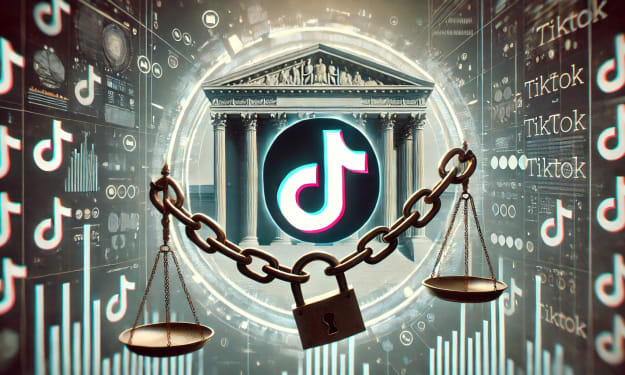
TikTok Ban: Is the App Facing a Shutdown in 2025?
TikTok Ban: Is the Popular App on the Verge of Shutdown? The term "TikTok ban" has been dominating headlines recently, sparking widespread debate and speculation about the app's future. Here's a quick summary: TikTok's parent company, ByteDance, faces U.S. government demands to divest its U.S. operations due to national security concerns. The Supreme Court is reviewing the case, with a potential nationwide ban looming if compliance isn't met by January 19, 2025.
By Matt Guidesabout a year ago in The Swamp
Australian Arts Festival Apologizes for Disinviting Palestinian Writer Who Lauded Oct. 7
Hey readers, buckle up — Australia’s arts scene has just been through one of its most dramatic shake-ups in years. If you’ve been following the news, you might have heard about the Adelaide Festival and its controversial decision to disinvite Palestinian Australian writer Randa Abdel‑Fattah. Let’s unpack what happened, why it mattered, and what it tells us about art, politics, and free speech today.
By Aqib Hussain2 days ago in The Swamp


Comments
There are no comments for this story
Be the first to respond and start the conversation.