
Jobs Slump at Fastest Rate in Five Years: UK Employment Hits Turbulent Patch
“UK Employment Falls at Fastest Rate in Five Years Amid Inflation and Global Pressures”

The UK labor market is showing signs of strain as recent figures reveal that jobs are declining at the fastest rate in five years. Analysts warn that this slowdown could have far-reaching consequences for households, businesses, and the broader economy, marking a period of heightened uncertainty for workers and employers alike.
This development comes amid ongoing economic pressures, including inflation, rising energy costs, and global trade disruptions, all of which have begun to weigh heavily on employment trends.
The Latest Employment Data
According to the Office for National Statistics (ONS), the UK workforce contracted at a pace not seen since 2018. Key indicators include:
A noticeable decline in full-time employment
Rising numbers of redundancies and layoffs
A slowdown in new hiring, particularly in retail, hospitality, and manufacturing
The report highlights that while unemployment rates remain relatively low compared to historical standards, the pace of job losses is alarming and may signal broader economic weakness.
Which Sectors Are Most Affected?
The job slump has not been uniform across industries. Sectors experiencing the greatest pressure include:
Retail and Hospitality – Ongoing inflation and reduced consumer spending have forced many businesses to cut staff or limit new hires.
Manufacturing – Supply chain disruptions and energy costs are prompting efficiency measures, sometimes resulting in layoffs.
Financial Services – Some banks and firms are restructuring after global uncertainty and regulatory changes.
In contrast, sectors like technology, healthcare, and renewable energy continue to add jobs, although at a slower pace than in previous years.
Causes Behind the Rapid Job Decline
Economists point to several contributing factors for the sharp slowdown:
Economic Uncertainty: Global instability and weak consumer confidence reduce business investment and hiring.
Inflation Pressures: Rising living costs impact both employer costs and household purchasing power, affecting sales and revenue.
Energy Costs: Businesses in manufacturing, retail, and hospitality face higher operational costs, prompting job cuts.
Post-Pandemic Adjustments: Many firms are still reshaping operations to balance remote work, digital transformation, and productivity.
The combination of these factors has created a challenging environment for employers, forcing them to re-evaluate workforce strategies.
Impact on Workers and Families
The human consequences of the jobs slump are significant:
Income Uncertainty: Many households face reduced wages or unemployment, impacting day-to-day living costs.
Mental Health: Job insecurity and layoffs contribute to stress, anxiety, and uncertainty about the future.
Career Progression: Younger workers and new graduates are particularly affected, as opportunities for entry-level positions decrease.
Social analysts warn that if the job contraction continues, it could exacerbate inequality and increase pressure on social support systems.
Government and Business Responses
In response to the emerging crisis, both the government and business organizations are exploring measures to mitigate the impact:
Training and Reskilling Programs – Encouraging workers to adapt to growing industries like tech, green energy, and healthcare.
Support for Affected Workers – Providing unemployment benefits, job placement services, and career guidance.
Business Incentives – Offering tax relief or grants to companies that maintain or create jobs despite economic pressures.
Economic commentators argue that proactive intervention is crucial to prevent temporary slowdown from becoming a long-term employment crisis.
The Role of Automation and Technology
Another factor influencing the jobs slump is automation and digital transformation. Companies are increasingly replacing manual labor with technology-driven solutions, particularly in:
Manufacturing and warehousing
Retail operations (self-checkouts, AI-driven inventory management)
Administrative roles (automation of repetitive office tasks)
While this trend increases efficiency and reduces costs, it also displaces traditional roles, further contributing to the overall employment slowdown.
Looking Ahead: What Can Be Expected?
Economists suggest that the pace of job losses may continue for several months before stabilizing. Key factors to watch include:
Inflation and energy price trends – Any significant reduction could ease pressures on employers.
Consumer confidence – Sustained consumer spending is vital for sectors like retail and hospitality.
Government policy – Measures to support businesses and retrain workers will influence the labor market trajectory.
While uncertainty remains, some experts highlight that job growth in technology and healthcare could offset declines in other sectors over time.
Conclusion
The fastest jobs slump in five years signals a critical period for the UK labor market. Workers, employers, and policymakers are all navigating a challenging environment shaped by inflation, global uncertainty, and technological change.
Although the overall unemployment rate has not yet reached alarming levels, the speed and breadth of job losses are cause for concern. Early intervention, reskilling programs, and strategic business support will be essential to mitigate the impact on families and maintain economic stability.
For individuals, staying informed about trends, exploring new career opportunities, and planning finances carefully are now more important than ever.
About the Creator
Keep reading
More stories from Aarif Lashari and writers in The Swamp and other communities.
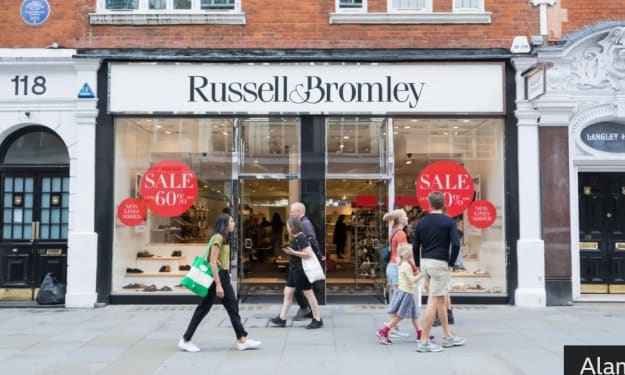
Next Buys Shoe Chain Russell & Bromley, but 33 Stores Face Closure Risk
British fashion retailer Next has acquired the upmarket shoe chain Russell & Bromley, a move that signals both confidence in the brand’s long-term value and fresh uncertainty for parts of the UK high street. While the takeover secures the future of a well-known footwear name, it also places 33 Russell & Bromley stores at risk, raising concerns for employees and town centres already under pressure.
By Aarif Lashariabout 8 hours ago in The Swamp
Trump Is Pushing the U.S.-Europe Alliance Onto a Precipice
The transatlantic alliance between the United States and Europe has long been one of the most enduring and influential partnerships in modern global politics. Built in the aftermath of World War II, this alliance shaped institutions such as NATO, supported economic integration, and anchored a shared commitment to democratic values. However, under Donald Trump’s political influence and policy direction, this once-stable relationship is increasingly being pushed toward a dangerous tipping point. Trump’s rhetoric, policy decisions, and transactional worldview are straining ties with European allies and raising serious questions about the future of the U.S.-Europe alliance.
By Salaar Jamali2 days ago in The Swamp



Comments
There are no comments for this story
Be the first to respond and start the conversation.