
Pentagon Funding Deal Includes $8B Hike and Support for NATO
Congress Approves Significant Military Spending Increase Amid Global Tensions

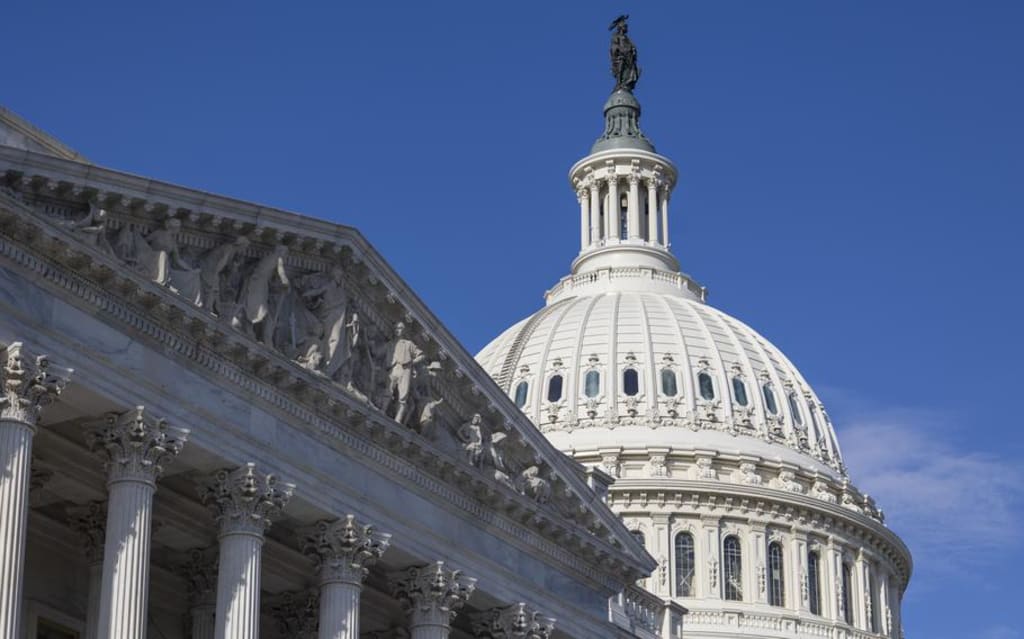
The U.S. Congress has approved a major Pentagon funding deal that includes an $8 billion increase in defense spending and renewed support for NATO, signaling Washington’s commitment to national security and international alliances. The deal comes amid rising global tensions, including concerns over Russia’s actions in Eastern Europe and instability in other strategic regions.
The funding package is part of the broader National Defense Authorization Act (NDAA), which sets the Pentagon’s budget and policy priorities for the coming fiscal year. This year’s deal stands out not only for the increase in funding but also for its emphasis on strengthening U.S. alliances, particularly NATO. Lawmakers from both parties have praised the agreement as a necessary step to maintain military readiness and deter potential adversaries.
The $8 billion increase represents a targeted boost aimed at modernizing the U.S. military. A significant portion of the funding will go toward advanced weapons systems, cybersecurity infrastructure, and new defense technologies. Pentagon officials have emphasized that these investments are critical to maintaining the U.S. military’s technological edge in an era of rapid global military advancements.
In addition to domestic defense priorities, the deal underscores America’s continued commitment to NATO. Funding will be allocated to support joint military exercises, troop deployments, and infrastructure improvements in European allied nations. This move comes as NATO seeks to reinforce its eastern flank in response to Russian military maneuvers, particularly in Ukraine and surrounding regions. U.S. support is intended to ensure that allied forces remain prepared and capable of responding to emerging threats.
The deal has been widely supported by members of Congress from both parties, though some debates arose over the overall size of the budget and specific allocations. Republican lawmakers generally emphasized the importance of maintaining a strong military and deterring foreign adversaries, while Democrats highlighted the need for accountability and careful oversight to ensure funds are spent effectively. The compromise reflects a shared recognition of the strategic challenges facing the United States and its allies.
Defense Secretary Lloyd Austin welcomed the funding package, noting that it allows the Pentagon to continue modernization programs while sustaining global military commitments. “This funding ensures our forces remain capable, ready, and interoperable with our allies,” Austin said in a statement. “It strengthens our deterrence posture and provides the resources needed to respond to emerging threats around the world.”
Experts suggest that the $8 billion increase could also accelerate the Pentagon’s push toward emerging technologies, including artificial intelligence, hypersonic weapons, and next-generation fighter aircraft. These investments are seen as crucial for maintaining U.S. military superiority in the face of increasingly sophisticated adversaries, including China and Russia. Additionally, the funding may support efforts to improve military recruitment, training, and retention, ensuring that the armed forces remain prepared for both conventional and asymmetric conflicts.
The NATO support component is particularly significant in the context of current global security dynamics. Russia’s invasion of Ukraine in 2022 reshaped the strategic priorities of NATO members, prompting increased defense spending and expanded cooperation among allies. By committing resources to NATO, the United States reinforces its leadership role within the alliance and signals that it will continue to uphold collective defense obligations. This funding is expected to bolster military readiness in Europe, including pre-positioning equipment, conducting joint exercises, and improving infrastructure in key allied countries.
While the deal has been praised, some critics have raised concerns about the overall scale of U.S. defense spending. They argue that increasing the Pentagon budget could divert funds from domestic programs such as healthcare, education, and infrastructure. Proponents counter that strong defense spending is essential to prevent larger conflicts and protect American interests abroad, highlighting the potential economic and security costs of failing to invest in national defense.
The Pentagon funding deal also aligns with broader U.S. foreign policy goals. By strengthening NATO and other alliances, the United States aims to deter potential aggressors, promote regional stability, and protect democratic institutions around the world. In addition, robust defense funding supports the U.S. commitment to allies in the Indo-Pacific region, where rising tensions with China have prompted calls for increased military readiness and strategic partnerships.
In conclusion, the recent Pentagon funding deal, which includes an $8 billion increase and strong support for NATO, represents a significant milestone in U.S. defense policy. By boosting military capabilities, advancing technological modernization, and reinforcing international alliances, the agreement seeks to address both current and future security challenges. While debates over defense spending are likely to continue, the deal reflects bipartisan recognition of the strategic importance of maintaining a strong and capable military. As the global security landscape evolves, this funding package positions the United States to respond effectively to emerging threats while supporting its allies in Europe and beyond.
About the Creator
Asad Ali
I'm Asad Ali, a passionate blogger with 3 years of experience creating engaging and informative content across various niches. I specialize in crafting SEO-friendly articles that drive traffic and deliver value to readers.
The Forsyth House Fire
Since 1851, Forsyth House has stood on the corner of Union Street and Gordon Street in the heart of Glasgow. Its iconic, or was... because on Sunday 8th of March, 2026, a fire broke out in a small, seemingly un-named shop in the building and tore all that history down. As I write, the rubble is still unsettled and the street is still blocked off. Central Station is quiet on the upper level, and around 30 small businesses have quite literally gone up in smoke.
By S. A. Crawford3 days ago in The Swamp
My First Time Skiing and I Got Lost, Alone, in the French Alps
Looking back, I can trace some of my life’s biggest adventures to a simple action from my sister. She’d introduced me to Tommy (a very long time ago), a colleague of hers, who had overshared his penchant for Italian-looking women, and I ticked that box.
By Chantal Christie Weiss3 days ago in Humans


Comments
There are no comments for this story
Be the first to respond and start the conversation.