
Next Buys Shoe Chain Russell & Bromley, but 33 Stores Face Closure Risk
“Next Expands Its Retail Portfolio Amid High Street Challenges”

British fashion retailer Next has acquired the upmarket shoe chain Russell & Bromley, a move that signals both confidence in the brand’s long-term value and fresh uncertainty for parts of the UK high street. While the takeover secures the future of a well-known footwear name, it also places 33 Russell & Bromley stores at risk, raising concerns for employees and town centres already under pressure.
The acquisition reflects wider changes in UK retail, where established brands are increasingly being absorbed by larger groups seeking scale, digital strength, and operational efficiencies.
Who Are Russell & Bromley?
Founded in 1880, Russell & Bromley is one of Britain’s most recognisable premium footwear brands. Known for its leather shoes, boots, and accessories, the company has traditionally targeted affluent shoppers and has maintained a strong presence in high-end shopping locations.
Despite its strong brand identity, Russell & Bromley has faced the same challenges as many traditional retailers: rising rents, higher wage costs, and a shift toward online shopping. These pressures made the business vulnerable, paving the way for acquisition.
Why Next Made the Purchase
Next has spent the past decade transforming itself from a traditional clothing retailer into a retail platform and brand partner. Through acquisitions and partnerships, it now manages online operations, logistics, and sometimes stores for multiple fashion brands.
By acquiring Russell & Bromley, Next gains:
A respected premium footwear brand
Access to loyal, high-spending customers
Opportunities to expand online sales using Next’s digital infrastructure
The move fits neatly into Next’s broader strategy of buying brands with strong heritage but weakened balance sheets.
What Happens to the Stores?
The most concerning aspect of the deal is the fate of 33 Russell & Bromley shops, which have been identified as potentially unviable under the new ownership structure. While no final decisions have been announced, these stores could face closure or relocation.
Next has indicated that it will review store performance carefully, focusing on profitability rather than brand presence alone. This reflects a wider retail trend: fewer physical shops, but better-performing ones.
For employees, this creates uncertainty, particularly in towns where Russell & Bromley stores are anchor tenants.
Impact on Jobs and the High Street
Store closures, if confirmed, would inevitably lead to job losses, adding to the strain on the UK retail workforce. The high street has already been hit by:
Reduced footfall
Increased online competition
Rising operating costs
Local economies could feel the impact, especially in smaller towns where premium retailers attract other businesses and shoppers.
However, Next has a record of redeploying staff where possible, and some roles may shift into logistics, online fulfilment, or remaining stores.
The Growing Power of Next in UK Retail
This acquisition further cements Next’s position as one of the UK’s most influential retail groups. Unlike many rivals, Next has:
A profitable online operation
Advanced logistics and warehousing
Strong cash flow
Rather than expanding aggressively with new stores, Next focuses on efficiency and integration, allowing acquired brands to survive in a changing market.
For Russell & Bromley, joining Next may provide stability that would be difficult to achieve independently.
Consumers: What Will Change?
For customers, the brand itself is expected to remain largely unchanged. Russell & Bromley will likely continue to:
Sell premium footwear
Target a similar customer demographic
Maintain its design identity
However, shoppers may notice:
Improved online shopping experience
Integration with Next’s website or delivery network
Fewer physical stores, especially outside major cities
Prices are not expected to fall significantly, as the brand relies on its premium positioning.
A Sign of Wider Retail Consolidation
The deal highlights a broader trend of consolidation in UK retail, where stronger players absorb weaker ones. Rising costs and changing consumer habits have made it difficult for mid-sized brands to survive alone.
Retail experts say this pattern is likely to continue, with more brands choosing partnerships or takeovers rather than risking collapse. For some, being acquired is the only realistic path forward.
What Comes Next for Russell & Bromley?
Under Next’s ownership, Russell & Bromley is expected to undergo a period of restructuring. This may include:
Store rationalisation
Greater focus on e-commerce
Supply chain optimisation
If successful, the brand could emerge leaner and more resilient, though with a smaller physical footprint.
The coming months will be critical, particularly for staff and communities affected by potential store closures.
Conclusion: Stability with a Cost
Next’s purchase of Russell & Bromley offers security for the brand, but not without trade-offs. While the acquisition may preserve the company’s future, it also underlines the harsh reality
About the Creator
Keep reading
More stories from Aarif Lashari and writers in The Swamp and other communities.
‘Minor Electrical Issue’ on Air Force One Delays Trump’s Davos Visit
A minor electrical issue aboard Air Force One caused an unexpected delay in former US President Donald Trump’s planned visit to the World Economic Forum (WEF) in Davos, according to official sources. While authorities stressed that the problem posed no security threat, the incident quickly drew global attention due to the aircraft’s symbolic importance and the high-profile nature of Trump’s appearance.
By Aarif Lashariabout 10 hours ago in The Swamp
Wild Mustard (Charlock): The Resilient Weed With a Surprising Legacy
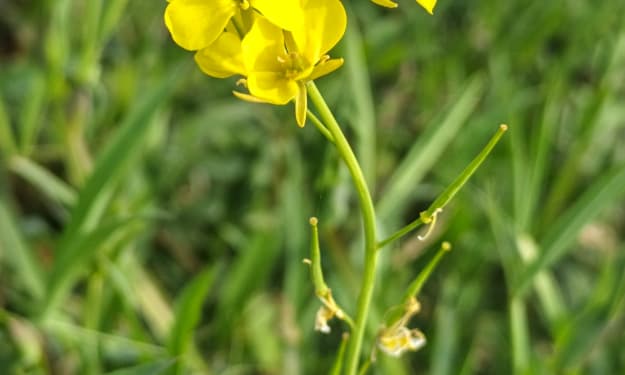
Subtitle tureironmencultur Wild mustard, commonly known as charlock (Sinapis arvensis), is one of those plants that divides opinion. To farmers, it is often seen as a stubborn weed that invades crops and competes for nutrients. To botanists, foragers, and historians, it is a fascinating species with deep agricultural roots, ecological importance, and even culinary potential. Found across Europe, Asia, North Africa, and now widely naturalized in North America and other regions, wild mustard has quietly shaped landscapes and livelihoods for centuries.
By Salaar Jamali3 days ago in The Swamp
Popular Sports Apparel Retail Chain Files Chapter 11 Bankruptcy
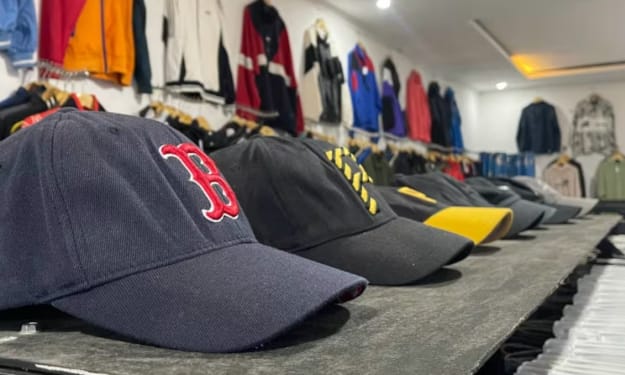
In a surprising move that has sent shockwaves through the retail and sports industries, a popular sports apparel chain has filed for Chapter 11 bankruptcy. The announcement marks a major turning point for a brand that has long been a go-to destination for athletes and casual shoppers alike. While the company continues to operate during bankruptcy proceedings, the filing highlights broader challenges facing brick-and-mortar retail in an era of e-commerce and changing consumer habits.
By Muhammad Hassan3 days ago in The Swamp


Comments
There are no comments for this story
Be the first to respond and start the conversation.