
CNBC's Inside India newsletter: EU edges out U.S. in getting India to slash auto tariffs, but can European carmakers win big?
Europe gains early ground in trade talks with India, but questions remain over whether European automakers can truly dominate the world’s fastest-growing car market.

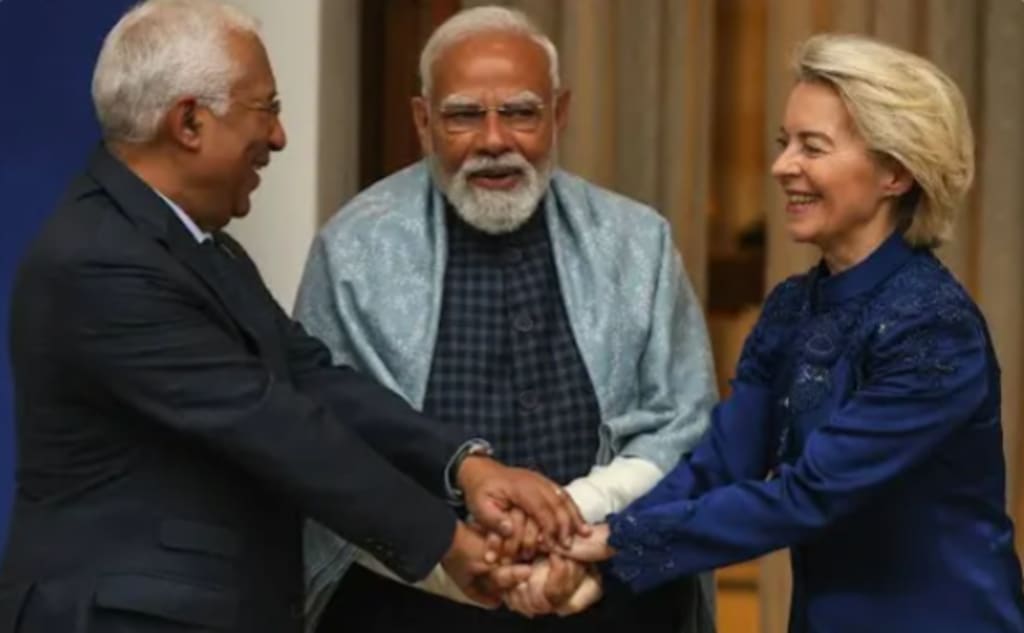
India’s automobile sector, long shielded by some of the world’s highest import tariffs, is showing signs of opening up—and Europe appears to have taken the lead. In a notable shift in trade diplomacy, the European Union has edged ahead of the United States in persuading India to consider reducing its steep duties on imported vehicles. This development, highlighted in CNBC’s Inside India newsletter, marks a potential turning point for global carmakers seeking access to one of the fastest-growing auto markets in the world. Yet even as trade doors begin to open, the central question remains: can European car manufacturers truly win big in India?
A Market Protected by Policy
For decades, India has imposed import tariffs as high as 100% on fully built automobiles. These measures were designed to protect domestic manufacturers and promote local production under initiatives such as “Make in India.” While successful in building a robust homegrown auto industry, the policy also discouraged foreign brands from exporting vehicles directly into the country, forcing them instead to establish local plants or limit their footprint.
The European Union’s recent progress in negotiations suggests that India may be ready to rethink this approach, at least partially. As part of broader talks toward a long-awaited free trade agreement, India has signaled a willingness to reduce auto tariffs for European manufacturers in exchange for greater investment, technology transfer, and cooperation in clean energy and electric vehicles.
The United States, by contrast, has struggled to achieve similar momentum. Differences over regulatory standards, market access, and digital trade have slowed progress, allowing the EU to gain a diplomatic edge in one of the most sensitive areas of India’s trade policy.
Why Europe Matters to India
The EU’s interest in India goes beyond simply selling more cars. European automakers such as Volkswagen, BMW, Mercedes-Benz, and Stellantis see India as a strategic growth market as sales plateau in Europe and competition intensifies in China. India’s expanding middle class, young population, and rapid urbanization make it an attractive destination for long-term investment.
For India, closer ties with Europe offer access to advanced manufacturing techniques and cutting-edge electric vehicle technology. This aligns with New Delhi’s goal of transitioning toward cleaner mobility while strengthening its industrial base. Reduced tariffs could encourage joint ventures, local assembly plants, and research centers that bring high-value jobs and expertise into the country.
The Challenge of Price Sensitivity
Despite the promise of lower tariffs, European carmakers face a difficult reality: India is one of the most price-sensitive car markets in the world. The majority of vehicles sold in the country cost under $15,000, and buyers prioritize affordability, fuel efficiency, and low maintenance over luxury or brand prestige.
European brands are traditionally positioned in the premium or mid-range segments, which limits their appeal to a small slice of Indian consumers. Even with tariff reductions, imported European cars may remain too expensive for mass adoption. This means that success will depend less on exporting finished vehicles and more on producing them locally at competitive price points.
Localization will be key. Companies that invest in Indian manufacturing facilities and develop models specifically designed for Indian roads and consumer preferences are more likely to gain market share. Without such adaptation, European automakers risk remaining niche players in a market dominated by domestic and Asian competitors like Maruti Suzuki, Tata Motors, Hyundai, and Kia.
Electric Vehicles: Opportunity and Competition
Electric vehicles present both an opportunity and a challenge for Europe in India. European firms lead in EV engineering and sustainability standards, but India’s EV market is evolving differently from that of Europe. Two-wheelers and three-wheelers account for most EV sales, while affordable small cars are the focus of government incentives.
If European automakers bring only high-end electric sedans and SUVs, their impact will be limited. To truly “win big,” they must participate in India’s push for affordable and scalable electric mobility. This may involve partnerships with Indian firms, battery manufacturing investments, and the creation of low-cost EV platforms suited to local demand.
At the same time, competition is intensifying. Chinese and Korean companies are also targeting India’s EV market, while Indian manufacturers are rapidly developing their own electric models. European firms will need to move quickly and strategically to avoid losing ground.
Beyond Economics: Geopolitics and Strategy
The EU’s success in nudging India toward tariff reductions also reflects shifting geopolitical priorities. Both sides are eager to diversify supply chains away from China and strengthen partnerships with like-minded economies. Auto and EV cooperation fits neatly into this broader strategic alignment.
For Europe, deeper integration with India could provide a hedge against economic uncertainty elsewhere. For India, closer ties with the EU reinforce its position as a global manufacturing hub and an essential player in future green industries.
The Road Ahead
While the EU has edged out the U.S. in influencing India’s auto tariff policy, this is only the beginning of a long journey. Lower tariffs create opportunity, but they do not guarantee success. European carmakers will need to rethink their strategies, invest locally, and adapt to the realities of the Indian market.
In the end, the real winners will not be those who simply export more cars, but those who commit to India’s vision of affordable, sustainable, and locally produced mobility. The question is no longer whether Europe can enter India’s market—but whether it can truly compete and thrive within it.
About the Creator
Sajida Sikandar
Hi, I’m Sajida Sikandar, a passionate blogger with 3 years of experience in crafting engaging and insightful content. Join me as I share my thoughts, stories, and ideas on a variety of topics that matter to you.
Keep reading
More stories from Sajida Sikandar and writers in The Swamp and other communities.
Iran Warns of ‘Hazardous Consequences’ After EU Designates Revolutionary Guard as a Terrorist Organization
The political temperature between Iran and the European Union has reached a boiling point. In a historic and controversial move, the EU officially designated Iran’s Islamic Revolutionary Guard Corps (IRGC) as a terrorist organization. Tehran responded with sharp warnings, saying the decision would bring “hazardous consequences” for Europe and regional stability.
By Sajida Sikandarabout 21 hours ago in The Swamp
Meta, TikTok, and YouTube to Stand Trial on Youth Addiction Claims
The rise of social media over the last decade has brought about unprecedented changes in how people, especially young people, communicate, share content, and engage with the world. However, alongside its rapid growth, there have been mounting concerns regarding the negative impact these platforms are having on the mental health of users, particularly teenagers. Now, some of the world’s largest social media companies—Meta (formerly Facebook), TikTok, and YouTube—are set to stand trial over claims that their platforms contribute to youth addiction and exacerbate mental health problems. The legal battles come after a series of investigations, research studies, and personal testimonies highlighted the damaging effects of prolonged social media use on children and teenagers. The central question: Are these platforms causing addiction and harm to young users, and should they be held accountable? The Growing Concerns About Social Media Addiction Social media platforms are designed to keep users engaged for as long as possible. Through algorithms that show content based on individual preferences and behavior, these platforms create an environment that can be both entertaining and highly addictive. However, concerns have risen about the impact this addiction has on youth, who are more vulnerable to the pressures and influences of online environments. 1. Mental Health Impacts Studies have shown that excessive social media use can have serious consequences on mental health. Teenagers who spend significant time on platforms like Instagram (Meta), TikTok, and YouTube often experience feelings of isolation, depression, anxiety, and low self-esteem. These issues can be exacerbated by the constant comparison to others, cyberbullying, and the pressure to conform to unrealistic standards of beauty, success, and happiness presented on these platforms. 2. Social Media Algorithms One of the most significant features of social media platforms is their algorithm-driven content recommendation systems. These systems tailor the content that users see based on their interests and past behaviors. While this can provide users with relevant content, it can also lead to an unhealthy cycle of constant engagement, reinforcing addiction-like behavior. Young users, in particular, are highly susceptible to this form of psychological manipulation, which leads to prolonged screen time and a reduced sense of self-control. 3. Sleep Disruption Excessive use of social media can also interfere with sleep patterns, particularly among teens who use their phones late into the night. Studies have shown that blue light from screens disrupts the production of melatonin, the hormone responsible for regulating sleep, leading to poor sleep quality and duration. Lack of sleep can contribute to a variety of mental and physical health problems, including mood swings, concentration difficulties, and weakened immune function. The Legal Claims: What the Trial Is About The lawsuits against Meta, TikTok, and YouTube are centered around the claim that these platforms are promoting addictive behavior among young users. The plaintiffs argue that the companies are aware of the negative impact their platforms have on children but have failed to take adequate steps to mitigate the risks. The trial will examine whether the companies should be held accountable for enabling addiction and exacerbating mental health issues in youth. 1. Negligence and Failure to Protect Minors The central legal argument is that social media companies have been negligent in protecting young users. The plaintiffs contend that these platforms prioritize engagement over the well-being of their users, especially children, who may not have the maturity or understanding to recognize the harm of excessive use. The trial will scrutinize whether these companies failed to implement safeguards that could have reduced the risk of addiction, such as more stringent age verification measures, content moderation, or time restrictions. 2. Exploitation of Vulnerable Youth A key argument put forward by the plaintiffs is that the platforms exploit vulnerable youth by encouraging behaviors that lead to addiction. Social media platforms use psychological tactics to encourage users, especially teens, to stay engaged longer. The trial will focus on whether these tactics, such as endless scrolling, personalized notifications, and the use of “likes” and comments to reinforce engagement, are directly contributing to addictive behavior in young users. 3. Failure to Act on Known Risks The plaintiffs also argue that these companies have known about the potential harm caused by excessive social media use but have not taken sufficient action to protect young users. Documents and internal communications from some of these companies have reportedly shown that they were aware of the detrimental effects on mental health, particularly among teens, but failed to implement meaningful changes. This could become a key point in the trial, with legal teams aiming to prove that the platforms neglected their duty of care toward young people. The Defense: Social Media Companies Respond The companies facing legal action—Meta, TikTok, and YouTube—have denied the claims and are expected to mount a robust defense. They argue that their platforms are not to blame for the broader societal issues surrounding youth addiction, and they highlight the steps they’ve taken to mitigate harm. 1. Parental Responsibility One of the common arguments from social media companies is that the responsibility for managing a child’s social media use lies with the parents. They argue that parents should be responsible for monitoring and controlling how much time their children spend online, especially since platforms like TikTok and YouTube are not intended for children under the age of 13. TikTok, for example, has a Family Pairing feature that allows parents to set time limits and monitor content. 2. Content Moderation and Safety Features In response to the claims, Meta, TikTok, and YouTube have pointed to their efforts to improve safety features. This includes the implementation of content filters, age-restricted settings, and mental health resources. Meta has introduced the ‘Take a Break’ feature on Instagram, TikTok has implemented screen time reminders, and YouTube offers a YouTube Kids version aimed at providing a safer environment for younger users. 3. First Amendment Rights Some social media platforms argue that they are protected under the First Amendment and are not responsible for the content shared by users. They contend that their platforms are tools for free expression, and regulating how they operate could lead to significant legal and ethical concerns. Potential Impact of the Trial The outcome of this trial could have far-reaching implications for the future of social media platforms and their responsibility toward young users. If the court rules in favor of the plaintiffs, it could set a legal precedent that forces social media companies to take more significant steps to protect young people from the potential harms of their platforms. This could include stricter age verification processes, more comprehensive content moderation, and tools that limit screen time. On the other hand, if the social media companies win the case, it could reinforce the argument that platforms are not responsible for the actions of their users and that other external factors—such as parental involvement and individual choices—are more significant in preventing addiction.Conclusion: A Turning Point for Social Media Accountability? The trial against Meta, TikTok, and YouTube is a significant moment in the growing conversation about the responsibility of social media companies toward their users, particularly young people. With increasing awareness about the harmful effects of social media addiction, especially on mental health, the outcome of this case could influence future regulations and policies governing social media platforms. As the trial unfolds, it will not only address legal questions but also reflect broader societal concerns about the impact of digital technology on youth. Regardless of the outcome, the case highlights the need for a more careful examination of how social media platforms operate and their duty of care toward vulnerable users. For now, the world is watching closely to see how the courts will rule on this pivotal i
By Aarif Lashari4 days ago in The Swamp
Iran Is Selling More Oil but Making Less Money
In an unusual twist for one of the world’s largest oil-producing nations, Iran is exporting more crude oil than it has in years — yet its oil revenues are falling instead of rising. At first glance, this seems contradictory: how can selling more of a valuable commodity generate less money? The answer lies in a complex combination of sanctions, market dynamics, discount sales, and geopolitical realities. Despite reports that Iran’s oil exports — particularly to China — have reached levels not seen since before the 2010s, the country is earning far less than expected. This economic paradox reflects how the global energy market can work against even the biggest oil producers under certain conditions. How Iran Is Increasing Oil Exports In 2025, Iran saw a significant increase in oil exports. Analysts report that shipments climbed back toward levels not seen in nearly a decade, largely by relying on covert shipping networks and intermediaries. These methods allow Iran to bypass some international sanctions and keep crude flowing to buyers. Most of this oil is shipped to China, often through informal channels that involve turning off tracking systems, transferring oil ship-to-ship, and using private buyers outside of formal markets. This “shadow fleet” allows Iran to maintain export volumes even when official sales are restricted. Despite these logistical challenges, Iran now exports millions of barrels per day, compared with much lower figures during periods of tight sanctions in the early 2020s. Why Exporting More Oil Doesn’t Mean More Revenue Selling more oil would normally mean more revenue, but several factors are keeping profits low for Iran: 1. Deep Discounts on Iranian Crude Because Iran cannot rely on official export channels, it is forced to sell oil at steep discounts. Chinese buyers, for example, often purchase Iranian barrels $6–$10 below global market prices. While this keeps exports flowing, it significantly reduces profits. 2. Extra Costs Due to Sanctions Operating outside legal channels comes with high costs. Moving oil covertly involves additional expenses for logistics, insurance, and intermediary services. These “shadow market” costs cut into Iran’s earnings, meaning more exports don’t translate into more cash. 3. Falling Global Oil Prices Global crude prices dropped in late 2025 and early 2026 due to oversupply and lower demand. When world prices fall, countries like Iran — already selling at discounts — suffer even more, further reducing revenue. 4. Currency Devaluation Iran’s domestic currency, the rial, has continued to weaken. When oil earnings are converted into local currency, the value received is much lower than expected. Combined with high inflation, this leaves the government and citizens with less real purchasing power. China’s Role in Iran’s Oil Paradox China has become Iran’s largest and most important oil buyer. Roughly 80–90% of Iranian exports are destined for Chinese refineries, many operating outside official global channels. While this relationship keeps Iran’s oil flowing, it also creates a reliance on a single major customer. China benefits from discounted oil, while Iran earns less revenue and has less bargaining power. Meanwhile, competition from other discounted producers like Russia further depresses prices, exacerbating the revenue shortfall. The Economic Impact on Iran Despite higher exports, the lack of revenue growth has serious consequences for Iran’s economy: Government budget shortfalls, since oil revenue makes up a large portion of public spending Inflation and a weak currency, reducing purchasing power for ordinary citizens Rising public dissatisfaction, with protests and economic grievances surfacing due to stagnant income and reduced services The paradox of more exports but less income highlights how sanctions, global market conditions, and domestic economic challenges interact in complex ways. Sanctions and the Shadow Fleet The reason behind Iran’s low profits is deeply tied to international sanctions. These sanctions, particularly those reimposed after the U.S. exited the 2015 nuclear deal, prevent Iran from selling oil through conventional banking and trading channels. To bypass restrictions, Iran relies on a shadow fleet, including covert tankers and private intermediaries. While this keeps oil flowing, it comes at a high cost and keeps Iran outside mainstream markets, preventing the country from earning full market value. In short, Iran is trading profitability for survival, ensuring exports continue while accepting lower revenue. Can Iran Turn This Around? Experts disagree on whether Iran can reverse this trend. Potential solutions include: Sanctions relief or renewed diplomatic agreements, which could allow Iran to access legitimate markets and sell oil at full price Diversifying export markets, reducing dependence on China Investing in domestic infrastructure, improving efficiency and reducing costs for shipping and production However, geopolitical uncertainty, competition from other producers, and internal economic challenges make a full recovery uncertain. Final Thoughts Iran’s oil industry demonstrates that more isn’t always better. Selling higher volumes does not guarantee higher profits, especially when sanctions, discounts, and global market forces are in play. The country’s paradox — exporting more oil but making less money — highlights the delicate balance between geopolitics, economics, and global energy markets. While oil remains Iran’s most important economic asset, the combination of sanctions, low prices, and extra costs continues to challenge the government and citizens alike. For the international community, this situation is a reminder that market access and pricing power are just as important as production volumes. For Iran, it’s a tough lesson in how exporting more can sometimes mean earning less.
By Muhammad Hassan5 days ago in The Swamp




Comments
There are no comments for this story
Be the first to respond and start the conversation.