
Canada, China Set for ‘Historic’ Gains From New Partnership, Carney Says
A New Era of Cooperation Between Two Global Powers
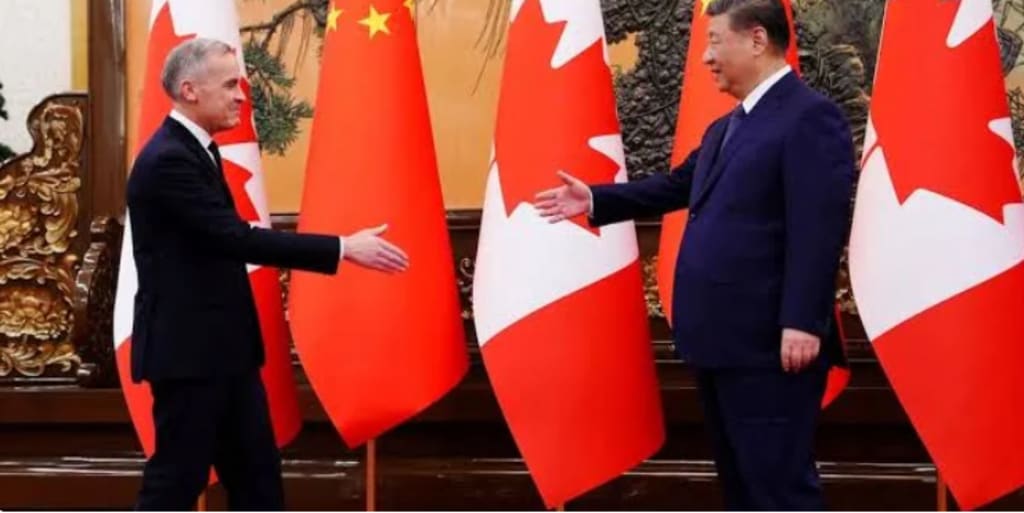
Canada and China may be standing at the edge of a major turning point in their diplomatic and economic relationship. According to Canadian Prime Minister Mark Carney, a newly announced partnership between the two nations could unlock “historic gains” and reshape how both countries engage with each other — and the world.
After years of strained relations, trade disputes, and diplomatic silence, the announcement signals a renewed willingness on both sides to move forward pragmatically. Carney’s remarks came during a high-profile visit to Beijing, marking the first Canadian prime ministerial visit in several years and symbolizing a reset in bilateral ties.
But what does this partnership actually mean — and why does it matter now?
Why This Partnership Matters Right Now
The global political and economic landscape is changing rapidly. Supply chains remain fragile, trade wars continue to affect global markets, and many countries are reassessing their dependence on single partners. For Canada, this moment presents both a challenge and an opportunity.
Historically, Canada has relied heavily on the United States as its primary trade partner. While that relationship remains essential, recent economic pressures have highlighted the importance of diversifying trade relationships. China, as the world’s second-largest economy, represents a massive market and a strategic partner that Canada can no longer afford to ignore.
Carney emphasized that the partnership is not about choosing sides, but about economic realism — working with multiple global partners to strengthen Canada’s long-term resilience.
What the New Canada–China Partnership Includes
While the partnership is still in its early stages, several key areas of cooperation have already been outlined. These sectors could bring tangible benefits to both countries if managed carefully and transparently.
Agriculture: A Win for Canadian Farmers
One of the most immediate beneficiaries of improved relations could be Canadian agriculture. China is one of the largest importers of agricultural products in the world, and Canada is a major exporter of canola, wheat, seafood, and other food products.
In previous years, trade tensions led to tariffs and restrictions that hurt Canadian farmers. The new partnership aims to ease these barriers, reopen markets, and restore trust between exporters and importers.
For farmers and agri-businesses, this could mean:
Expanded access to Chinese markets
Reduced tariffs and trade disruptions
Greater price stability and export growth
If successful, this shift alone could generate billions of dollars in economic activity.
Energy and Clean Technology Collaboration
Both Canada and China are major players in the global energy sector, and both are investing heavily in clean energy and sustainability. The partnership includes discussions around collaboration in:
Renewable energy development
Battery technology and energy storage
Clean manufacturing and emissions reduction
Canada brings natural resources and advanced research capabilities, while China offers large-scale manufacturing capacity and global supply chains. Together, these strengths could accelerate clean-energy innovation and create jobs in both countries.
Financial and Investment Cooperation
Prime Minister Carney, a former central banker, has highlighted financial cooperation as a cornerstone of the partnership. Stronger ties between Canadian and Chinese financial institutions could lead to:
Increased foreign investment
Expanded capital market access
Greater cooperation on economic stability
At the same time, Canadian officials have stressed that investment decisions will continue to be carefully reviewed to protect national security and strategic industries.
Addressing the Past: A Relationship Tested by Tensions
Canada–China relations have not always been smooth. Diplomatic trust eroded significantly following high-profile disputes, trade restrictions, and concerns over foreign interference. These issues created public skepticism and political resistance on both sides.
Carney’s approach does not ignore these challenges. Instead, the new partnership seeks to create structured dialogue channels, allowing both governments to manage disagreements without derailing the entire relationship.
This shift reflects a more mature diplomatic strategy — one that acknowledges differences while still pursuing mutual benefit.
How This Affects Canada’s Global Strategy
The partnership also sends a message beyond China. It signals that Canada is pursuing a balanced and independent foreign policy, engaging globally while maintaining its commitments to democratic allies.
Some observers see this move as part of a broader global trend, where middle-power nations refuse to fully decouple from China despite pressure to do so. Instead, they aim to navigate a middle path — prioritizing economic opportunity while safeguarding national values and security.
For Canada, this means:
Reducing over-reliance on any single trading partner
Strengthening economic resilience
Maintaining diplomatic flexibility in a multipolar world
Challenges Ahead: Optimism With Caution
Despite the optimistic language, the partnership is not without risks. Trade disputes may resurface, political tensions could re-emerge, and public opinion remains divided about deeper engagement with China.
Success will depend on:
Transparency in agreements
Strong regulatory oversight
Clear boundaries on security and sovereignty
Carney has acknowledged these concerns, emphasizing that cooperation must be mutually beneficial, rules-based, and aligned with Canada’s national interests.
Final Thoughts: A Historic Opportunity — If Done Right
The announcement of a renewed Canada–China partnership marks a potentially historic moment. It represents a shift from confrontation to cautious collaboration, from isolation to engagement.
If managed wisely, the partnership could deliver real economic gains, open new markets, and strengthen Canada’s global standing. If mishandled, it could reignite old tensions and political backlash.
For now, Prime Minister Carney’s message is clear: Canada is ready to engage the world pragmatically, and China is a key part of that future.
Only time will tell whether these promises of “historic gains” turn into lasting results — but the conversation has clearly begun.
About the Creator
Keep reading
More stories from Aqib Hussain and writers in The Swamp and other communities.
Squished Between Chairs’ on a Train: How Some Passengers Survived a Crane Collapse
The train was supposed to be uneventful. A routine journey. Phones out, headphones in, coffee cups balanced on fold-down trays. No one on board expected that, within seconds, a normal commute would turn into a scene of chaos, fear, and raw human instinct.
By Aqib Hussain2 days ago in The Swamp



Comments
There are no comments for this story
Be the first to respond and start the conversation.