
Iran’s Missile Strikes Hit US Bases and Gulf States After US–Israel Attacks on Tehran
Explosions and air defense alerts reported across Bahrain, Qatar, UAE, Kuwait and Saudi Arabia as regional tension intensifies

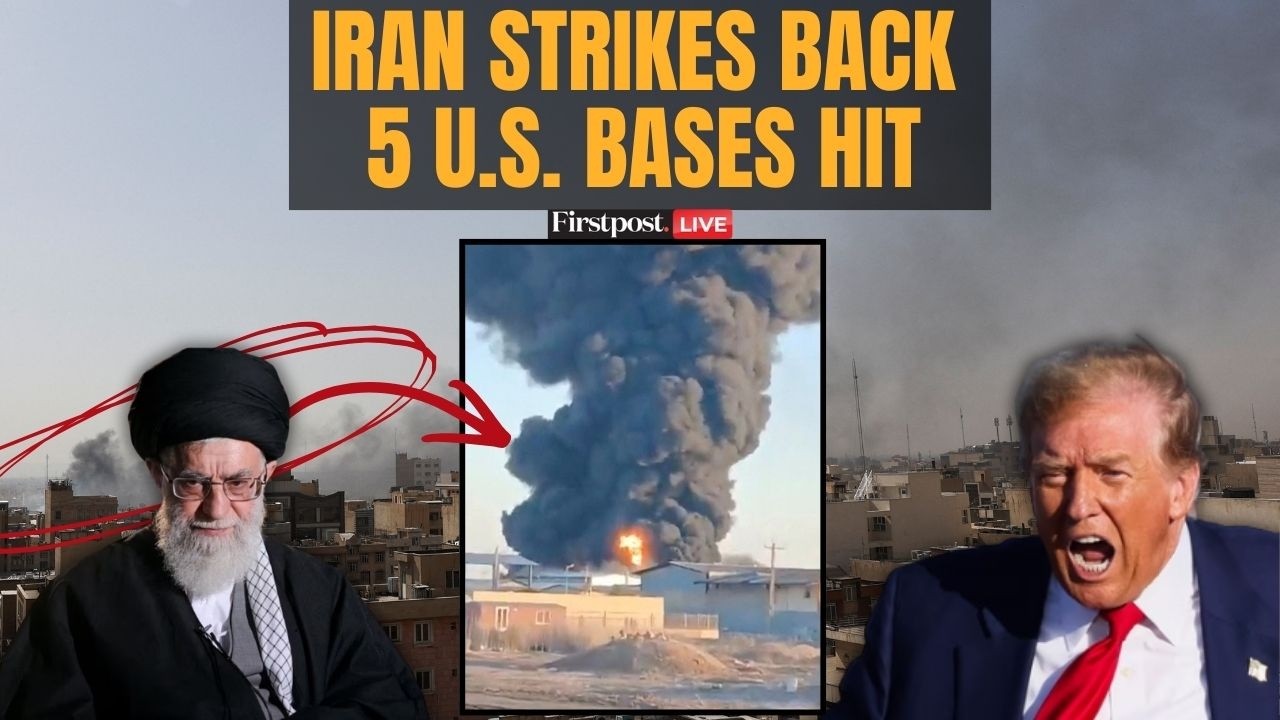
On February 28, 2026, a rapidly unfolding military escalation occurred in the Middle East after the United States and Israel carried out coordinated strikes against targets in Iran. In response, Iran launched missile and drone attacks targeting US military bases and allied locations across the Gulf region. Explosions and air defense alerts were reported in several countries, raising concerns about broader conflict and international security.
This article provides a complete update on the situation, including what is reported so far, where attacks occurred, government responses, and the wider implications of the military escalation.
Joint US–Israel Strikes Against Iran
Early on February 28, US and Israeli forces launched a coordinated military operation against Iranian targets. Dubbed Operation Lion’s Roar by some sources, the strikes reportedly used air and missile assets to hit locations within Tehran and other regions in Iran. These actions followed escalating disputes over Iran’s nuclear program and regional security concerns.
US officials described the operation as part of broader “major combat operations,” and Israeli leaders stated the strikes were aimed at degrading Iran’s military capabilities. Iran’s leadership relocated key officials to secure sites before the attacks, according to some reports.
Iran’s Retaliatory Missile Strikes
In direct response to the US–Israel attacks, Iran’s armed forces launched multiple missile and drone strikes across the Middle East. Reports indicate that these strikes were aimed at US military assets and allied positions in the region.
Explosions were reported in several countries:
Bahrain: Iranian missiles struck near the headquarters of the US Fifth Fleet in Manama, the Gulf nation’s capital. Bahrain’s authorities confirmed attacks on sites within its borders and condemned the strikes as violations of sovereignty.
Qatar: A ballistic missile was reportedly intercepted by Qatar’s air defenses, with explosions heard in and around the capital, Doha. Qatar hosts Al Udeid Air Base, one of the largest US military installations in the region.
United Arab Emirates: Reports from the UAE indicated that several missiles were intercepted, though at least one person was killed in Abu Dhabi during the attacks.
Kuwait & Saudi Arabia: Explosions were also reported in Kuwait and Riyadh, suggesting missiles either passed through or were intercepted in those countries.
These strikes followed Iran’s official statement that it would target all US and Israeli assets in the region in retaliation for the earlier military action.
Airspace Closures and Travel Disruptions
The conflict led to widespread disruption in civil aviation across the Middle East. Many countries, including Qatar, the UAE and Kuwait, temporarily closed their airspace as a safety measure amid the missile activity.
Airlines responded by cancelling or rerouting flights, affecting travel between Europe, North America, and Asia. Major carriers issued advisories urging passengers to monitor flight status due to the rapidly evolving situation.
Government Alerts and Public Safety
US embassies in countries such as Qatar and Bahrain advised American citizens to shelter in place amid the strikes. Official statements urged residents to stay in secure locations, follow local safety instructions, and keep up with updates from authorities.
Countries targeted by Iranian missiles also implemented air defense operations to protect populated areas and military sites. Authorities reported successful interceptions in some cases, though the threat of further attacks remained.
Regional Reactions
Governments throughout the Middle East reacted to the unfolding military conflict:
Bahrain condemned the Iranian missile attack on its territory and affirmed its right to defend its sovereignty.
Qatar, Kuwait, and UAE closed airspace and activated air defense systems, prioritizing civilian safety and military security.
Saudi Arabia and other Gulf Cooperation Council (GCC) states expressed concern over the escalating conflict, with some diplomatic sources warning of broader regional consequences.
International organizations and foreign governments also urged restraint and renewed calls for diplomatic engagement to prevent further escalation. However, the immediate focus remained on active military responses.
Civilian Impact and Safety
The strikes and counter-strikes have affected civilian life and mobility across the region. Airspace closures disrupted travel and logistics. Residents in several capitals reported hearing loud explosions, while authorities urged calm and adherence to official safety measures.
Medical and emergency services were placed on high alert to assist with any injuries or indirect effects of intercepted missiles and explosions. No widely confirmed figures for civilian casualties beyond the reported UAE fatality were available as of the latest reports, and authorities cautioned that detailed assessments were still underway.
Broader Geopolitical Context
The military escalation must be understood in the context of years of tension between Iran and both the United States and Israel. Disputes over Iran’s nuclear program, regional influence, and defense capabilities have driven repeated confrontations, from sanctions and proxy conflicts to covert operations.
Attempts at diplomatic negotiations earlier in 2026 sought to limit Iran’s nuclear capabilities and ease sanctions, but progress stalled amid disagreements over verification, enforcement, and mutual distrust.
The recent joint US–Israel attack on Iranian territory followed rising international concerns about Iran’s military developments. Iran’s swift retaliation indicates its readiness to defend perceived national interests and respond to foreign military actions.
What Happens Next
The situation remains uncertain and dynamic. Possible developments include:
Continued military exchanges: Additional strikes or responses from Iran or coalition forces may occur, with impacts on regional security.
Diplomatic efforts: International actors, including the United Nations and European governments, could pursue renewed dialogue to reduce tensions.
Containment measures: Countries may adjust defense postures and security arrangements to protect critical infrastructure and civilian populations.
Governments and diplomatic officials are reportedly engaging in back-channel communications to prevent the conflict from widening further. As events unfold, reliable official statements and verified reports will be crucial to understanding the full scope and implications of the situation.
Conclusion
The events of February 28, 2026 represent a significant escalation in Middle Eastern military tensions. What began as joint US–Israel military strikes against Iran has rapidly expanded into regional retaliation, with Iranian missiles targeting US bases and allied countries across the Gulf. Explosions, air defense engagements, and airspace closures reflect the breadth of the conflict’s impact.
With global travel disruptions, public safety alerts, and diplomatic efforts already underway, the situation underscores the complexity of modern geopolitics and the challenges of balancing national security with regional stability.
As developments continue, observers and communities worldwide are watching closely, aware that the implications of these actions extend far beyond the immediate conflict zone.
About the Creator
Saad
I’m Saad. I’m a passionate writer who loves exploring trending news topics, sharing insights, and keeping readers updated on what’s happening around the world.
A Gathering of Evil Bosses
“I’m the queen of chin jutting while I smooth my hair, attacking, insulting, and deflecting to protect my appointer.” “Oh, please, Blondi, my hair is curled, highlighted, and longer than yours. I feature television commercials telling immigrants that we will give them a free plane ride home, and if they voluntarily turn themselves in, they will be allowed to legally apply for re-entry. It runs everywhere, and I look good in it! You can’t compete because of your blond hair. Mine is nicer, and my lips are prettier than yours.”
By Andrea Corwin 10 days ago in The Swamp
Winterthorne
Winterthorne stood alone at the edge of the park. The beautiful snow that had surrounded him was all trampled now, from the feet of all of the children who had built him. He missed the sparkly clean snow blanket, but he was happy that so many children had come out to make him.
By Laura DePace7 days ago in Fiction


Comments
There are no comments for this story
Be the first to respond and start the conversation.