
How Thousands of Secret Russian Documents Were Exposed
Inside the digital mistakes, open-source investigations, and intelligence failures that led to one of Russia’s biggest information leaks.
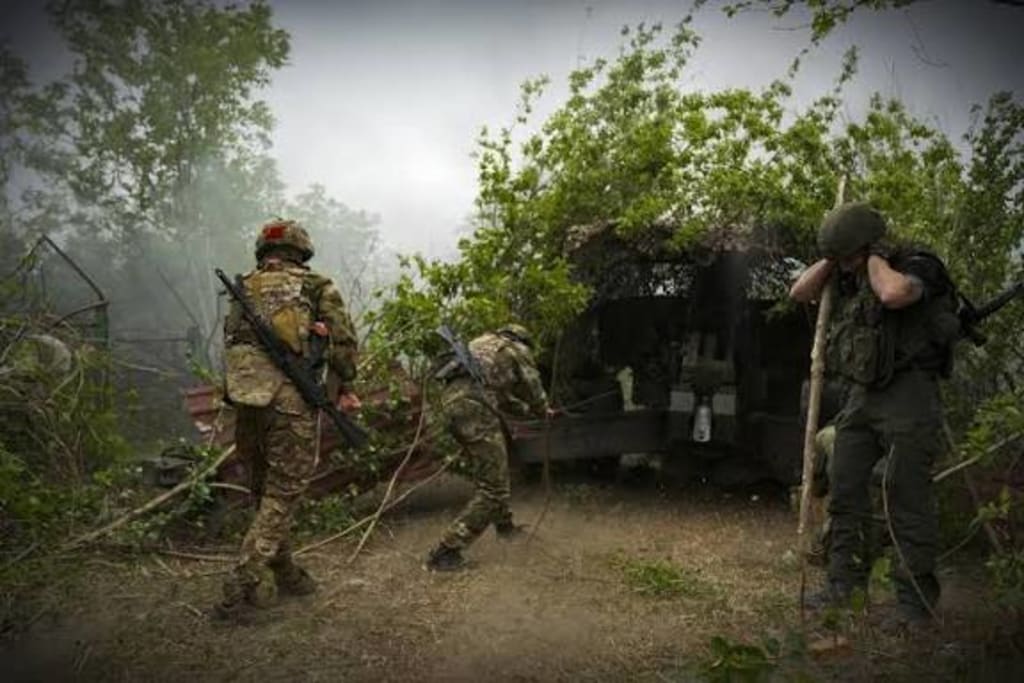
In an era defined by cyber warfare, whistleblowers, and digital leaks, the exposure of thousands of secret Russian documents has emerged as one of the most striking intelligence breaches in recent history. The revelations did not come from a single dramatic act, but rather from a combination of human error, technological vulnerability, and the growing sophistication of investigative journalists and open-source researchers. Together, these factors peeled back layers of secrecy surrounding the Russian state, offering rare insight into how power, security, and information truly operate behind closed doors.
The Accidental Gateway to Secrets
Unlike classic espionage tales involving spies and covert handoffs, many of the exposed Russian documents surfaced through surprisingly mundane mistakes. Analysts discovered that sensitive files were being stored on poorly secured servers, shared through misconfigured cloud services, or uploaded to public-facing databases without adequate protection. In some cases, government contractors and regional authorities used outdated software, leaving digital doors wide open for anyone who knew where to look.
These oversights created a gateway for researchers who specialize in scanning the internet for exposed data. Once a single document was found, it often led to others, revealing entire networks of files that were never meant to be public.
The Role of Open-Source Investigators
Open-source intelligence (OSINT) investigators played a crucial role in uncovering and verifying the leaked material. Unlike traditional intelligence agencies, OSINT groups rely on publicly accessible information—metadata, document properties, file histories, and cross-referenced sources—to build credible findings.
By comparing exposed documents with known government formats, official seals, and internal reference numbers, investigators were able to authenticate the files. Some documents matched information previously hinted at in court cases, procurement records, or parliamentary discussions, further strengthening their credibility.
What made this exposure especially powerful was collaboration. Journalists, cybersecurity experts, and researchers across different countries shared findings, cross-checked data, and pieced together a much larger picture than any single group could manage alone.
What the Documents Revealed
The exposed documents covered a wide range of sensitive topics. Some detailed internal security procedures, while others outlined military logistics, infrastructure plans, and intelligence assessments. There were also files related to surveillance systems, regional governance, and emergency response strategies.
Perhaps most revealing were documents that showed the gap between official rhetoric and internal planning. While public statements emphasized strength, preparedness, and stability, some internal reports highlighted shortages, inefficiencies, and concerns about public unrest. This contrast offered a rare glimpse into the pressures faced by Russian institutions behind the scenes.
Digital Footprints and Metadata
One of the most overlooked aspects of modern leaks is metadata—the hidden information embedded within digital files. Metadata can reveal when a document was created, who edited it, what software was used, and even the location where it was produced.
In this case, metadata helped investigators trace documents back to specific departments and timeframes. It also revealed patterns of document sharing and internal workflows. These digital fingerprints made it much harder for authorities to dismiss the files as forgeries or misinformation.
Why the Exposure Matters
The exposure of these documents matters not just because of their content, but because of what it signals about state security in the digital age. Governments may invest heavily in cyber defenses against foreign attacks, yet still fall victim to basic operational lapses. The incident highlights how information security is only as strong as its weakest link.
For citizens, journalists, and policymakers, such leaks offer transparency—albeit unintentional—into how decisions are made and resources are allocated. They also raise ethical questions: while public interest journalism benefits from such disclosures, leaked information can pose genuine security risks if misused.
The Kremlin’s Response
Official responses to the exposure were cautious and often dismissive. Authorities downplayed the significance of the documents, questioned their authenticity, or avoided direct acknowledgment altogether. This strategy aimed to limit public discussion and prevent the leaks from gaining further traction domestically.
At the same time, cybersecurity protocols were reportedly reviewed, and access controls tightened. While such measures may prevent future leaks, they also underscore how damaging the exposure was perceived to be internally.
A New Reality of Information Warfare
The exposure of thousands of secret Russian documents illustrates a broader reality: secrecy is increasingly fragile in a connected world. Information no longer needs to be stolen from safes or servers through dramatic hacks; sometimes it simply leaks through cracks created by complacency or outdated systems.
As digital infrastructure expands, so does the risk of exposure. For governments worldwide, this incident serves as a warning that transparency may come not by choice, but by accident.
Conclusion
The story of how thousands of secret Russian documents were exposed is not just about Russia—it is about the changing nature of power, secrecy, and accountability in the 21st century. Through a mix of human error, digital vulnerability, and relentless investigation, hidden information found its way into the public domain.
For a global audience, the lesson is clear: in the digital age, secrets are harder to keep, and the truth often emerges from the most unexpected places.
About the Creator
Keep reading
More stories from Fiazahmedbrohi and writers in The Swamp and other communities.
The ‘Thorny’ Issues That Threaten to Derail a Russia–Ukraine Peace Deal
As the Russia–Ukraine war grinds on, global attention periodically shifts toward the possibility of peace talks. Diplomatic signals, back-channel negotiations, and international mediation efforts often raise hopes that an agreement could finally end Europe’s deadliest conflict in decades. Yet beneath these cautious gestures lies a dense web of unresolved and deeply contentious issues. These “thorny” problems continue to threaten any meaningful peace deal, making a lasting resolution far more complex than simply declaring a ceasefire. Territorial Disputes: The Core of the Conflict At the heart of the war lies the question of territory. Russia claims sovereignty over regions of Ukraine it has occupied or annexed, while Ukraine insists on the full restoration of its internationally recognized borders. Neither side has shown willingness to compromise on this fundamental issue. For Kyiv, conceding territory would undermine national sovereignty and reward aggression. For Moscow, relinquishing control would weaken its strategic narrative and domestic political standing. Any peace deal that fails to resolve territorial claims risks collapsing under public and political pressure. Security Guarantees and NATO Anxiety Ukraine’s long-term security remains another major obstacle. The country seeks firm security guarantees to prevent future invasions, often pointing toward closer integration with Western military alliances. Russia, however, views such arrangements as an existential threat, particularly if they involve NATO. Moscow has repeatedly cited NATO expansion as a justification for its actions. Bridging this gap—offering Ukraine credible protection without provoking Russia—remains one of the most delicate challenges for negotiators. Sanctions: Relief vs. Leverage Western sanctions imposed on Russia are a powerful bargaining chip, but they also complicate peace talks. Russia wants sanctions relief as part of any agreement, arguing that economic pressure must ease alongside de-escalation. Ukraine and its allies, however, see sanctions as leverage to ensure compliance and accountability. Prematurely lifting restrictions could weaken enforcement mechanisms, while maintaining them indefinitely risks prolonging hostilities. Finding a balanced sanctions framework acceptable to all sides is proving extraordinarily difficult. Accountability and War Crimes Justice for alleged war crimes is another sensitive issue. Ukraine has demanded accountability for atrocities committed during the conflict, while Russia rejects accusations and resists international investigations. For Kyiv, ignoring justice would betray victims and undermine the rule of law. For Moscow, accepting accountability could set dangerous legal and political precedents. This clash between justice and pragmatism threatens to stall negotiations before they gain momentum. Domestic Political Pressures Peace talks do not occur in a vacuum; domestic politics play a decisive role. Ukrainian leadership faces a population that has endured immense suffering and largely opposes territorial concessions. Any agreement perceived as weak could trigger public backlash. Similarly, Russia’s leadership must maintain a narrative of strength, especially amid internal economic strain and political scrutiny. Leaders on both sides risk appearing vulnerable if they compromise too much, making political survival a hidden but powerful barrier to peace. The Role of External Actors International stakeholders add another layer of complexity. Western nations support Ukraine militarily and financially, while also shaping the terms under which peace talks might proceed. Meanwhile, countries seeking to mediate often have their own strategic interests. Diverging priorities among external actors can slow consensus and dilute negotiation efforts. A peace deal acceptable to Ukraine and Russia must also satisfy—or at least not alienate—their respective allies. Economic Reconstruction and Reparations Even if fighting stops, rebuilding Ukraine will require enormous financial resources. Questions around who pays for reconstruction, whether frozen Russian assets can be used, and how economic recovery will be managed remain unresolved. Russia opposes using its assets for reparations, while Ukraine sees compensation as essential for recovery. These financial disputes could resurface even after a ceasefire, threatening long-term stability. Trust Deficit and Past Failures Perhaps the most underestimated challenge is the deep lack of trust. Previous agreements and ceasefires have collapsed, leaving both sides skeptical of future promises. Without robust monitoring mechanisms and enforceable guarantees, any peace deal risks becoming another temporary pause rather than a permanent solution. A Fragile Path Forward The path to peace between Russia and Ukraine is littered with unresolved issues that go far beyond battlefield dynamics. Territory, security, sanctions, justice, domestic politics, and international influence are tightly interwoven, making compromise exceptionally hard. While diplomacy remains essential, lasting peace will require not only political courage but also innovative solutions that address these thorny challenges head-on. Until these core issues are genuinely confronted, any peace deal will remain fragile—more a hopeful aspiration than a durable end to a devastating war.
By Fiazahmedbrohi 17 days ago in The Swamp
Australian Arts Festival Apologizes for Disinviting Palestinian Writer Who Lauded Oct. 7
Hey readers, buckle up — Australia’s arts scene has just been through one of its most dramatic shake-ups in years. If you’ve been following the news, you might have heard about the Adelaide Festival and its controversial decision to disinvite Palestinian Australian writer Randa Abdel‑Fattah. Let’s unpack what happened, why it mattered, and what it tells us about art, politics, and free speech today.
By Aqib Hussainabout 3 hours ago in The Swamp


Comments
There are no comments for this story
Be the first to respond and start the conversation.