
High Stakes but Low Expectations for Ukraine Talks with Russia and the United States
A Diplomatic Effort Shadowed by War Fatigue and Mistrust
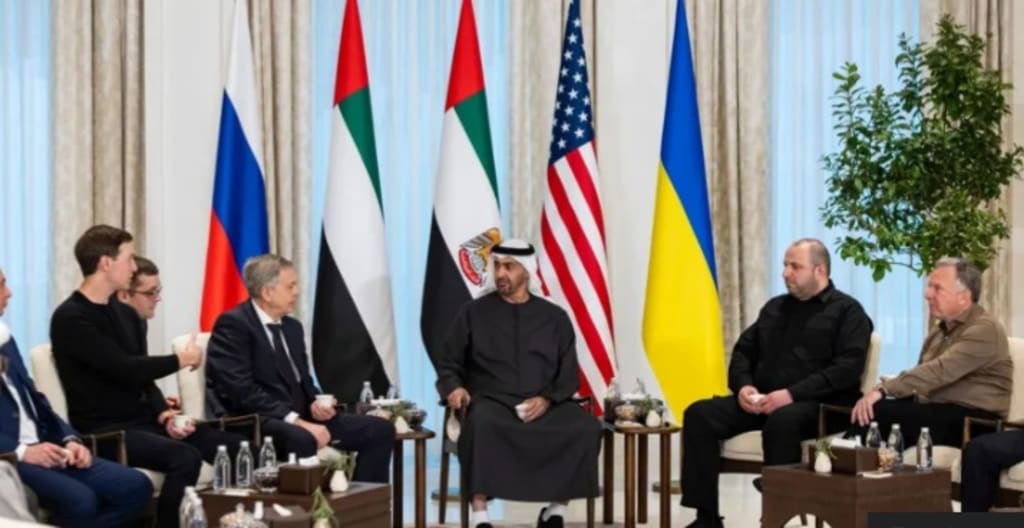
As the war in Ukraine drags into another grueling phase, renewed diplomatic efforts involving Ukraine, Russia, and the United States carry enormous geopolitical stakes—but very modest expectations. After years of intense fighting, economic disruption, and human suffering, any dialogue is seen as valuable. Yet few observers believe that current talks will lead to a meaningful breakthrough or an end to the conflict in the near future.
The negotiations reflect a complex reality: all sides face mounting pressure, but none appear willing or able to make the compromises required for peace.
Why the Stakes Are So High
The outcome of the Ukraine conflict has implications far beyond Eastern Europe. For Ukraine, the talks are existential. The country seeks to preserve its sovereignty, regain occupied territories, and secure long-term security guarantees against future aggression. Any diplomatic process that weakens these goals risks undermining the sacrifices made by its military and civilian population.
For Russia, the stakes are equally significant. Moscow views the war as central to its strategic identity and its resistance to what it perceives as Western encroachment. A negotiated settlement that appears like defeat could weaken President Vladimir Putin’s domestic standing and Russia’s global influence.
The United States, meanwhile, sees Ukraine as a critical front in maintaining the post–World War II international order. Washington’s support for Kyiv is tied to broader concerns about deterring aggression, reassuring allies, and countering authoritarian powers. A failure in Ukraine could embolden rivals elsewhere, from Eastern Europe to the Indo-Pacific.
Why Expectations Remain So Low
Despite these high stakes, expectations for success are limited due to deep-rooted mistrust and incompatible objectives.
Ukraine insists on the restoration of its internationally recognized borders, including Crimea—an outcome Russia has categorically rejected. Moscow, on the other hand, seeks recognition of territorial gains and guarantees that Ukraine will not join NATO, demands Kyiv and its Western allies consider unacceptable.
Additionally, years of battlefield violence, alleged war crimes, and hostile rhetoric have hardened positions. Trust is virtually nonexistent, making even incremental confidence-building measures difficult to achieve.
The Role of the United States: Power Broker or Interested Party?
The United States plays a dual role in the talks: it is both a mediator and a key stakeholder. Washington provides Ukraine with military aid, intelligence, and diplomatic backing, which strengthens Kyiv’s position but also fuels Russian claims that the US is not a neutral actor.
American officials argue that their involvement is necessary to balance Russia’s power and to ensure Ukraine is not forced into an unjust settlement. Critics, however, claim that US strategic competition with Russia limits its flexibility in negotiations.
This dynamic complicates the talks, as Russia remains skeptical of any process in which the US plays a central role.
Domestic Pressures on All Sides
Internal political pressures further constrain the negotiations. In Ukraine, public opinion strongly opposes territorial concessions, especially after the heavy losses endured since the invasion. President Volodymyr Zelensky faces enormous political risk if talks appear to compromise national sovereignty.
In Russia, the Kremlin has framed the war as a defensive struggle against the West. Any compromise could be portrayed by hardliners as betrayal, weakening the government’s narrative and control.
The United States also faces domestic challenges, including war fatigue among voters and debates in Congress over the cost of continued support for Ukraine. These pressures encourage diplomacy—but not necessarily compromise.
Global Implications and the Cost of Failure
The failure of talks carries serious global consequences. Prolonged conflict continues to disrupt global energy markets, food supplies, and international trade. It also deepens divisions between major powers, accelerating a shift toward a more fragmented and unstable world order.
At the same time, unsuccessful negotiations may still serve a purpose. They keep communication channels open, reduce the risk of miscalculation, and signal to the international community that diplomacy has not been abandoned.
A Process, Not a Breakthrough
Most analysts view the current talks not as a path to immediate peace, but as part of a longer process. Incremental agreements—such as prisoner exchanges, humanitarian corridors, or limits on escalation—may be the most realistic outcomes for now.
History shows that many conflicts end not with a dramatic agreement, but through slow shifts in battlefield realities, economic pressures, and political calculations. The Ukraine war may follow a similar path.
Conclusion: Hope Tempered by Reality
The Ukraine talks involving Russia and the United States represent a paradox of modern diplomacy: immense importance paired with minimal optimism. While the desire to end the war is widespread, the conditions for a comprehensive peace remain elusive.
For now, the talks are less about resolution and more about management—managing risks, expectations, and the possibility that, over time, the cost of continued conflict may finally outweigh the price of compromise. Until then, the world watches, hoping that even low-expectation diplomacy can prevent a far worse outcome
About the Creator
Keep reading
More stories from Ayesha Lashari and writers in The Swamp and other communities.
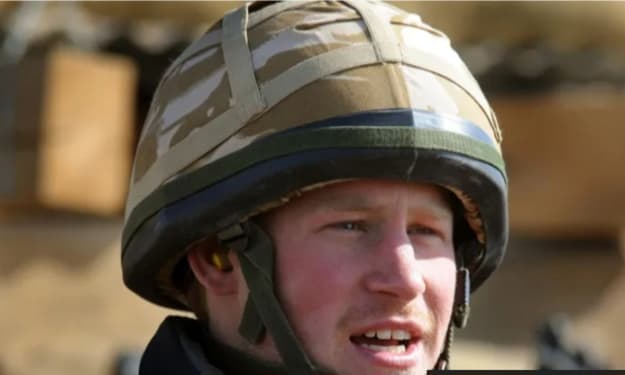
Harry Says Sacrifices by NATO Troops in Afghanistan Deserve Respect
Prince Harry’s recent remarks emphasizing that the sacrifices made by NATO troops in Afghanistan deserve respect have reignited an important conversation—one that goes beyond politics, strategy, or headlines and reaches into the human cost of war. His words serve as a reminder that behind every military operation are real people who carried heavy burdens, faced unimaginable risks, and, in many cases, paid the ultimate price.
By Ayesha Lashariabout 17 hours ago in The Swamp
Gold Hits Record as Trump’s Greenland Tariff Threats Rattle Asia Markets
Gold prices have surged to historic highs as escalating tariff threats over Greenland sent shockwaves through financial markets in Asia. Investors, reacting to the prospect of intensified U.S.-Europe trade tensions, flocked to safe-haven assets, pushing gold to record levels. The recent rally underscores how geopolitical uncertainty, coupled with rising global inflation concerns, continues to drive demand for precious metals as a hedge against risk.
By Salaar Jamali4 days ago in The Swamp
France and the Rafale Lose a €3.2 Billion Contract After a Last-Minute U-Turn
In a surprising turn of events, France and its flagship fighter jet, the Dassault Rafale, have reportedly lost a massive €3.2 billion defense contract following a last-minute reversal by the buyer. The decision has sent ripples through Europe’s defense industry, raising questions about geopolitics, competition in the global arms market, and the fragile nature of high-value military deals. A Deal That Once Looked Secure For months, the contract had been viewed as a diplomatic and industrial success for France. The Rafale, a multirole fighter aircraft developed by Dassault Aviation, has built a strong reputation in recent years, securing export deals with countries in Asia, the Middle East, and Europe. Known for its combat performance, advanced avionics, and operational flexibility, the aircraft has often been marketed as a reliable alternative to American and Russian fighters. The €3.2 billion agreement was expected to include not just the jets themselves, but also training, maintenance packages, weapons integration, and long-term logistical support—elements that make such contracts economically and strategically significant for both buyer and seller. The Sudden Reversal What makes this development particularly striking is the timing. According to reports, negotiations were largely complete when the buyer abruptly changed course. Such last-minute U-turns are rare in defense procurement, where deals usually take years to finalize and involve extensive political oversight. While official explanations remain limited, analysts suggest several possible reasons: shifting geopolitical alignments, pressure from allies, budgetary reassessments, or the emergence of a more politically convenient alternative. In some cases, defense purchases are less about technical superiority and more about diplomatic signaling. Competitive Pressures in the Fighter Jet Market The global fighter jet market has become increasingly crowded and politicized. The Rafale competes with U.S.-made aircraft like the F-35, Sweden’s Gripen, and emerging platforms from other defense manufacturers. The F-35, in particular, benefits from strong political backing from Washington and offers interoperability advantages for NATO and allied nations. For some countries, choosing a fighter jet is also a choice of long-term strategic alignment. Selecting American equipment often deepens military ties with the United States, while opting for European systems can signal a desire for greater strategic autonomy. The sudden loss of this contract highlights how fragile that balance can be. Economic and Industrial Impact on France A €3.2 billion contract is not just a headline number—it represents thousands of jobs, years of industrial activity, and sustained investment in research and development. While Dassault Aviation has a healthy order book, losing a deal of this scale is still a setback, particularly at a time when European defense industries are seeking to strengthen their global competitiveness. France has positioned the Rafale as a cornerstone of its defense exports, and each successful sale reinforces its credibility in future negotiations. Conversely, a high-profile loss can embolden competitors and complicate upcoming bids. Political Fallout and Strategic Questions The decision may also carry diplomatic consequences. Defense contracts often serve as pillars of broader strategic relationships, including intelligence sharing, joint exercises, and industrial cooperation. A sudden reversal can strain bilateral ties, especially if France perceives the move as politically motivated rather than purely technical. At a broader level, the incident reignites debate within Europe about defense sovereignty. As EU nations discuss reducing reliance on non-European military equipment, the loss of a major Rafale contract underscores the challenges of translating that ambition into reality. Lessons for the Future This episode serves as a reminder that even well-established defense platforms are not immune to sudden shifts. For manufacturers like Dassault, diversification of markets and deeper industrial partnerships may be key to reducing vulnerability. For governments, it highlights the importance of aligning defense exports with long-term diplomatic strategies. The Rafale remains a capable and battle-proven aircraft, and its export story is far from over. However, the loss of a €3.2 billion deal at the eleventh hour illustrates how modern defense procurement is shaped as much by politics and perception as by performance. A Wake-Up Call for Europe’s Defense Industry Ultimately, the episode is less about one lost contract and more about the evolving dynamics of global defense. As competition intensifies and geopolitical calculations grow more complex, European manufacturers may need to adapt faster, negotiate smarter, and prepare for abrupt changes—even when victory seems assured.
By Fiaz Ahmed 7 days ago in The Swamp



Comments
There are no comments for this story
Be the first to respond and start the conversation.