
Harry Says Sacrifices by NATO Troops in Afghanistan Deserve Respect
A Reflection on Service, Loss, and the Human Cost of a Long War
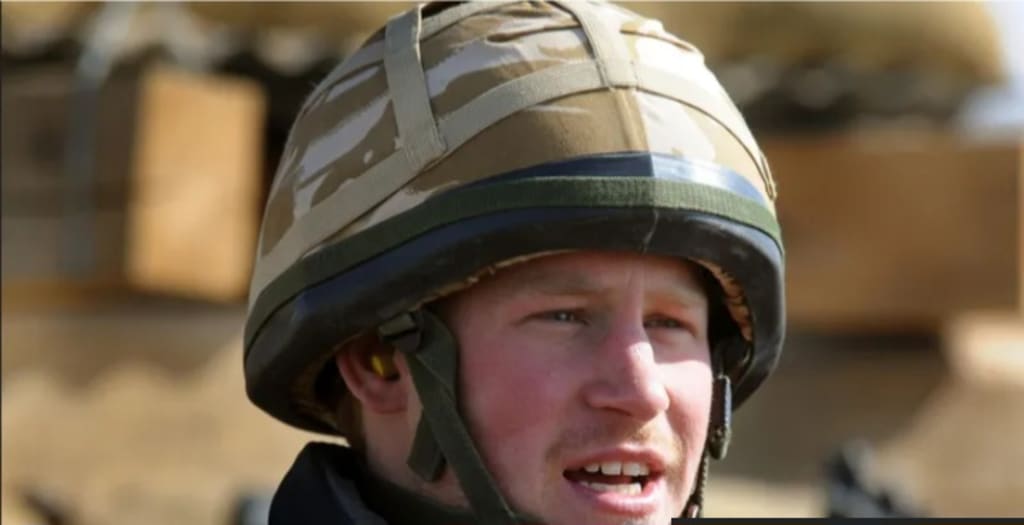
Prince Harry’s recent remarks emphasizing that the sacrifices made by NATO troops in Afghanistan deserve respect have reignited an important conversation—one that goes beyond politics, strategy, or headlines and reaches into the human cost of war. His words serve as a reminder that behind every military operation are real people who carried heavy burdens, faced unimaginable risks, and, in many cases, paid the ultimate price.
The war in Afghanistan, which spanned two decades, was one of the longest and most complex military engagements in modern history. NATO forces, including soldiers from the United Kingdom, the United States, Canada, and many other allied nations, were deployed with objectives that evolved over time—from dismantling terrorist networks to stabilizing a nation torn apart by decades of conflict. While opinions differ on the political outcomes of the war, Prince Harry’s comments focus on something less debatable: the courage and sacrifice of the troops who served.
As a former British Army officer who completed two tours in Afghanistan, Prince Harry speaks not as a distant observer but as someone who experienced the realities of the battlefield firsthand. His call for respect is rooted in lived experience—witnessing the stress, fear, and responsibility carried by service members, many of whom were young men and women far from home. For him, honoring their sacrifices is not about glorifying war, but about acknowledging duty, loss, and resilience.
Over the years, more than a thousand NATO troops lost their lives in Afghanistan, while tens of thousands more returned home with physical injuries or invisible psychological wounds. Post-traumatic stress disorder (PTSD), survivor’s guilt, and difficulties reintegrating into civilian life have become defining challenges for many veterans. Prince Harry has long been an advocate for mental health awareness, especially among soldiers, and his remarks align with his broader efforts to reduce stigma and promote support systems for veterans.
Critics of the Afghan war often point to its controversial end and question whether the sacrifices made were justified. While these debates are valid and necessary in democratic societies, Harry’s statement draws a clear distinction between political decision-making and the individuals who carried out their orders. Respecting soldiers, he suggests, does not require agreement with the war itself. Rather, it requires empathy for those who served with commitment, often under conditions they did not choose.
This perspective is particularly important in a time when public discourse can quickly become polarized. Veterans sometimes find themselves caught in the crossfire of political arguments, their service overshadowed by debates about strategy and failure. By emphasizing respect, Prince Harry highlights the moral responsibility societies have toward those who were asked to serve on their behalf.
NATO troops in Afghanistan were not only engaged in combat but were also involved in training local forces, rebuilding infrastructure, providing humanitarian assistance, and attempting to foster stability. Many soldiers formed deep bonds with Afghan civilians, interpreting their mission as one of protection and hope rather than occupation. For those individuals, the end of the war brought complex emotions—relief, grief, pride, and, in some cases, a sense of unfinished duty.
Prince Harry’s remarks also resonate with military families, who often bear silent sacrifices of their own. Long deployments, constant fear, and the emotional toll of separation affect spouses, children, and parents. Respecting service members means recognizing these families as well, whose lives are forever shaped by the realities of war.
Ultimately, Harry’s message is not about rewriting history or avoiding accountability. It is about ensuring that the humanity of those who served is not lost in political narratives. Respect, in this context, means remembrance, support, and continued care for veterans long after the headlines fade.
As nations reflect on the legacy of the Afghanistan war, Prince Harry’s words offer a grounding reminder: outcomes may be debated, strategies may be questioned, but the sacrifices of NATO troops deserve acknowledgment and dignity. Honoring them does not require consensus on the war—it requires compassion, understanding, and a commitment to never forget the human cost paid in service.
In a world often quick to move on, such respect is not just appropriate—it is essential.
About the Creator
Keep reading
More stories from Ayesha Lashari and writers in The Swamp and other communities.
Zelensky Hopes Historic Ukraine-Russia-US Talks Mark First Step Toward Ending the War
In a remarkable diplomatic moment, Ukrainian President Volodymyr Zelensky has expressed cautious optimism that the first-ever trilateral talks between Ukraine, Russia, and the United States could become a meaningful step toward ending the nearly four-year-long war with Moscow. The ground-breaking negotiations — taking place in Abu Dhabi, United Arab Emirates — mark the first time representatives from all three sides have sat down together in an attempt to chart a path away from relentless conflict and devastation. �
By Ayesha Lashariabout 21 hours ago in The Swamp
Google's Work in Schools Aims to Create a 'Pipeline of Future Users,' Internal Documents Say
Google has long been a dominant presence in the tech world, but its influence extends beyond search engines and smartphones. According to internal documents obtained recently, the company’s initiatives in schools may be more strategic than previously understood: they aim to create a “pipeline of future users”. In other words, Google’s educational programs are designed to familiarize students with its tools, platforms, and ecosystem from a young age — potentially shaping habits and preferences for years to come.
By Muhammad Hassanabout 14 hours ago in The Swamp


Comments
There are no comments for this story
Be the first to respond and start the conversation.