
Glen Rosa Ferry Costs Rise by £12.5m After Latest Six-Month Delay
Six-month delay pushes Glen Rosa ferry costs up by £12.5 million

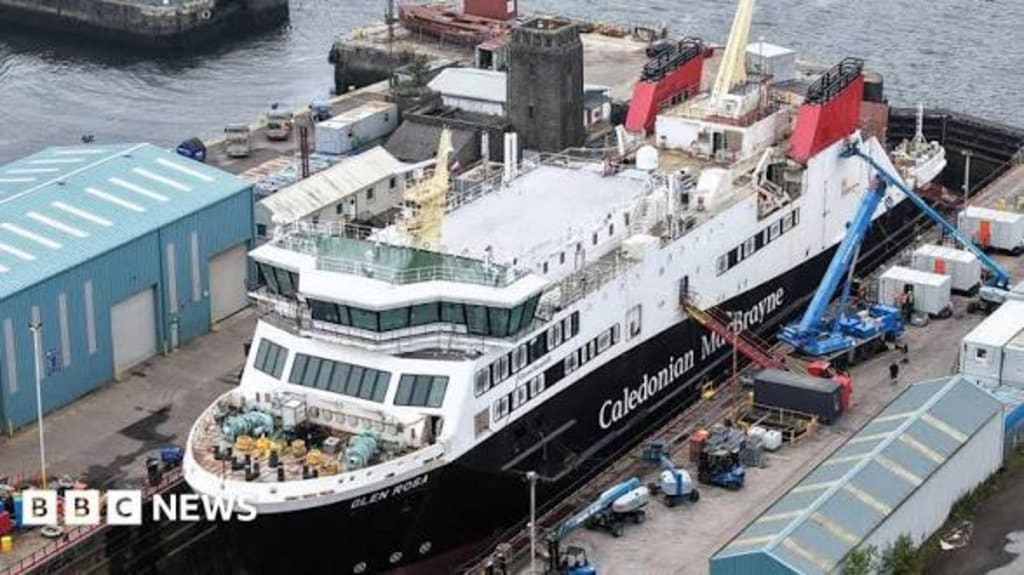
Project delays and cost increases continue to challenge Scotland’s new ferry initiative
The Glen Rosa ferry project, a key part of Scotland’s ambitious plan to modernize its maritime transport, has experienced another setback. Officials have announced that costs have increased by £12.5 million following a six-month delay in construction and delivery. The project, designed to serve routes around Arran and other western isles, has already faced scrutiny for repeated delays and budget overruns.
The latest development has reignited debate over the management of large-scale public transport projects in Scotland and raised concerns among residents and local businesses that rely heavily on the ferry service.
Background of the Glen Rosa Project
The Glen Rosa is one of several dual-fuel ferries being constructed under Scotland’s plan to modernize its aging fleet. Key details of the project include:
Purpose: The ferry is intended to operate routes connecting Brodick on Arran with the mainland, improving reliability and reducing travel times for residents, tourists, and businesses.
Capacity: Designed to carry hundreds of passengers and vehicles, the vessel aims to support both local transport and economic growth in the region.
Dual-fuel technology: The ferry will use a combination of liquefied natural gas (LNG) and diesel, reducing emissions and aligning with Scotland’s environmental targets.
Despite these benefits, the project has faced repeated delays, raising questions about planning, budgeting, and oversight.
Latest Delay and Cost Increase
The most recent six-month delay has pushed the ferry’s completion further into 2027, adding £12.5 million to the budget. Officials attribute the delay to several factors:
Supply chain challenges: Global shortages of materials, including steel and specialized components, have slowed production.
Technical adjustments: Modifications to the ferry’s design to meet safety and environmental standards have extended construction timelines.
Labor shortages: Skilled shipbuilding labor has been in high demand, affecting the pace of work at the construction yards.
Government sources emphasize that while delays are frustrating, ensuring safety and efficiency is a priority.
Political and Public Reactions
The cost increases and repeated delays have drawn reactions from politicians, residents, and advocacy groups:
Scottish National Party (SNP) officials emphasize that the ferry will provide long-term benefits, including better connectivity and greener travel options. They argue that short-term delays are a necessary part of complex infrastructure projects.
Opposition parties criticize the ongoing overruns, calling for better project management and accountability. Some members of Parliament have described the situation as a “ferry fiasco” that undermines public trust.
Local residents and businesses have expressed frustration over the uncertainty of ferry service schedules, which affects tourism, commuting, and the transport of goods.
Community leaders are urging government agencies to provide clearer timelines and transparency regarding the project’s progress.
Economic Implications
The Glen Rosa ferry is not just a transport project—it plays a significant role in the local economy:
Tourism: Reliable ferry service is critical for the Arran tourism industry, which generates millions annually. Delays could affect visitor numbers and revenue.
Local businesses: Transporting goods between the mainland and islands depends on timely ferry schedules. Delays create supply chain challenges and higher costs.
Employment: The ferry project provides jobs in shipbuilding, logistics, and maritime services, but delays may impact workforce planning and wages.
Analysts warn that continued setbacks may increase pressure on taxpayers, who ultimately fund these public transport initiatives.
Government Oversight and Accountability
The Scottish government has defended its oversight of the project, highlighting measures such as:
Regular progress reports to ensure milestones are met.
Independent audits to verify compliance with budget and design standards.
Community consultations to address public concerns and maintain transparency.
However, critics argue that repeated delays and cost increases indicate systemic issues in project planning and management, suggesting that future ferry projects may face similar challenges without reforms.
Environmental Considerations
One of the key selling points of the Glen Rosa ferry is its dual-fuel system, which aligns with Scotland’s goal of reducing emissions from maritime transport:
Lower carbon footprint: The LNG-diesel system reduces greenhouse gas emissions compared to traditional ferries.
Future-proofing: Investing in cleaner technologies ensures compliance with international environmental standards.
Community support: Environmental groups have generally welcomed the focus on greener transport, though some caution that timely completion is critical to realizing these benefits.
Balancing environmental standards with construction delays has been a persistent challenge for the project.
Next Steps
Officials say that despite the latest delay and cost increase, the Glen Rosa ferry project is still on track to deliver significant benefits once completed:
Completion timeline: Work is expected to resume full-scale production, with delivery planned in late 2027.
Testing and certification: The ferry will undergo rigorous safety and operational testing before entering service.
Community engagement: Local authorities are committed to keeping residents informed about progress and mitigating service disruptions.
Government and project managers stress that long-term reliability and safety outweigh short-term cost concerns.
Conclusion
The £12.5 million cost increase and six-month delay for the Glen Rosa ferry underscore the complexity of large-scale public infrastructure projects. While residents, businesses, and opposition parties express frustration, officials maintain that ensuring safety, environmental standards, and long-term benefits is the top priority.
As Scotland moves forward with the project, the Glen Rosa ferry will play a key role in connecting island communities, supporting the local economy, and advancing sustainable maritime transport. How efficiently the government and contractors manage the remaining construction will determine whether the ferry can deliver on its promise for residents and travelers alike.
About the Creator
Fiaz Ahmed
I am Fiaz Ahmed. I am a passionate writer. I love covering trending topics and breaking news. With a sharp eye for what’s happening around the world, and crafts timely and engaging stories that keep readers informed and updated.
Keep reading
More stories from Fiaz Ahmed and writers in The Swamp and other communities.
Trump Nominates Federal Reserve Critic Kevin Warsh to Run US Central Bank
Controversial pick sparks debate over the future of monetary policy and independence of the Fed Former President Donald Trump has nominated Kevin Warsh, a known critic of the Federal Reserve, to lead the United States central bank. The nomination has drawn attention from economists, policymakers, and financial markets, raising questions about the future direction of U.S. monetary policy, inflation control, and the Fed’s independence.
By Fiaz Ahmed a day ago in The Swamp
Balochistan in Turmoil: Coordinated Separatist Attacks Shake Pakistan’s Restive Province
Quetta, Balochistan — January 31, 2026 — Balochistan, Pakistan’s largest but least developed province, has once again become the epicenter of violent conflict. On Saturday, a series of coordinated attacks by Baloch separatist militants rocked the region, leaving dozens dead, including civilians and security personnel, and prompting one of the most significant militant flare-ups in recent memory.
By sehzeen fatimaabout 9 hours ago in The Swamp
Access Denied: Why Muslims Worldwide Are Being ‘Debanked’
For millions of Muslims around the world, access to traditional banking services has become increasingly complicated. Reports indicate a growing phenomenon known as “debanking”, where individuals and businesses are denied access to bank accounts, loans, and other financial services, often without clear explanations.
By Aarif Lashari3 days ago in The Swamp
Trouble at the Tea Leafing Café
The rain had started right around the time that Annie was buttering her second thick slice of homemade toast for breakfast, and hadn’t paused since. Not that anyone could tell. The windows of the café were fogged over, and with every seat filled with happy customers munching on fresh baked pastries or steaming bowls of the delicious soup of the day, it was hardly surprising. Annie looked around the room, finally taking a moment to breathe after the lunch time rush. Her old life already felt like a bad memory, a part of her history, always, but just that. History.
By Hannah Moorea day ago in Fiction




Comments
There are no comments for this story
Be the first to respond and start the conversation.