
Access Denied: Why Muslims Worldwide Are Being ‘Debanked’
Exploring the Global Trend of Banking Exclusion
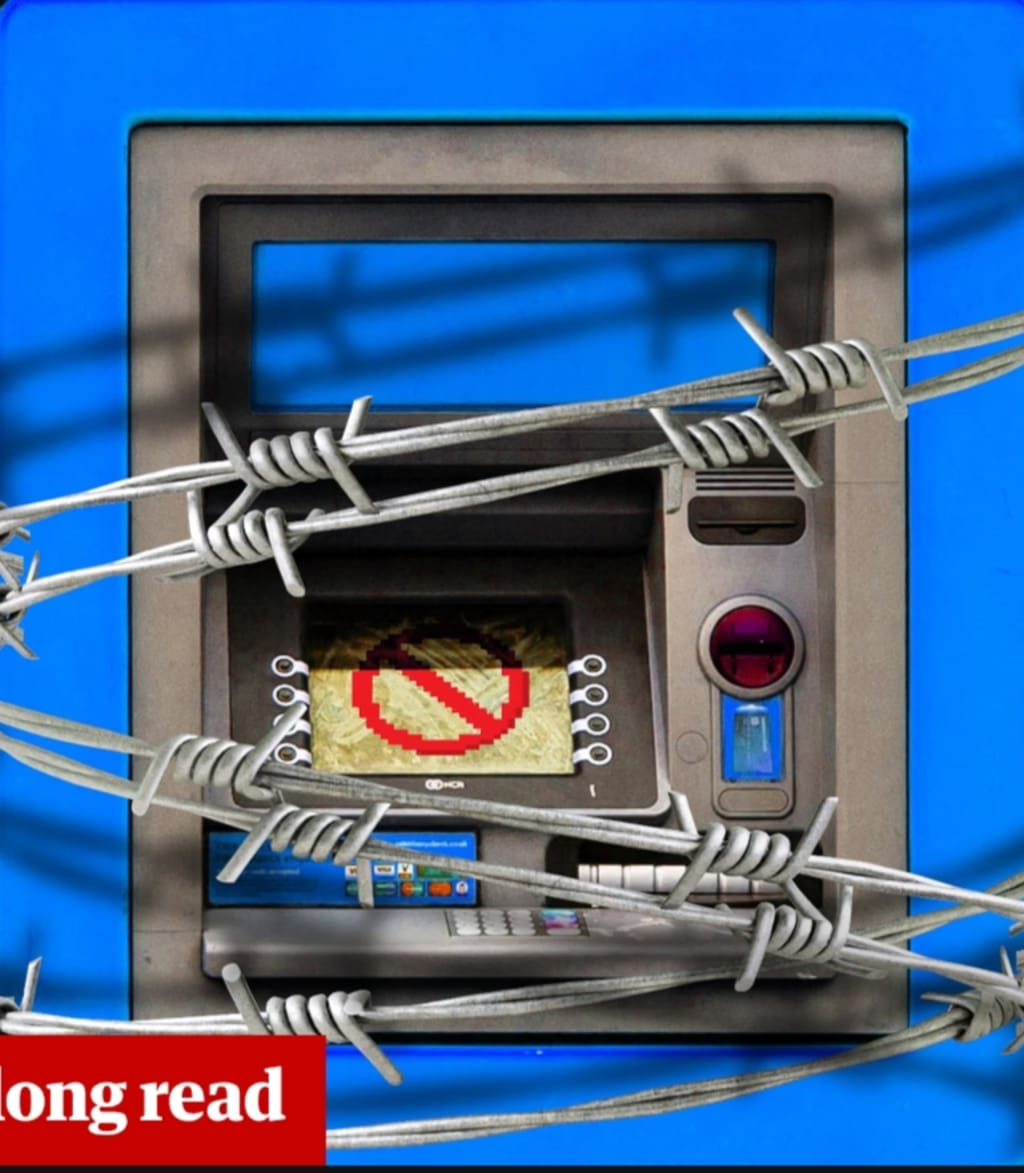
For millions of Muslims around the world, access to traditional banking services has become increasingly complicated. Reports indicate a growing phenomenon known as “debanking”, where individuals and businesses are denied access to bank accounts, loans, and other financial services, often without clear explanations.
This issue has serious implications—not only for financial inclusion and economic stability—but also for social equity and human rights. Understanding why Muslims are disproportionately affected requires examining both the global financial system and the regulatory pressures that influence banks’ decisions.
What Is Debanking?
Debanking refers to the practice of financial institutions closing or refusing accounts, often citing compliance, risk, or regulatory concerns. While banks argue that such measures are meant to prevent money laundering, terrorist financing, and fraud, critics contend that the practice is frequently applied in a discriminatory or opaque manner.
Muslims have increasingly reported difficulties in:
Opening personal and business bank accounts
Receiving remittances or international transfers
Accessing loans or credit cards
In some cases, entire communities—especially those in diaspora populations—have felt targeted, raising alarm over systemic bias.
Global Drivers of Debanking
Several factors contribute to the rise of debanking among Muslims worldwide:
Regulatory Pressure and Compliance
Anti-money laundering (AML) and counter-terrorist financing (CTF) regulations require banks to monitor transactions closely. Banks face hefty fines and reputational risks if they fail to comply, leading some to adopt broad risk-avoidance strategies that disproportionately affect Muslims or Middle Eastern clients.
Financial De-Risking
Some banks practice de-risking, where they sever relationships with regions, sectors, or communities deemed high-risk, even if individuals have no history of illicit activity.
Geopolitical Tensions
Sanctions on countries such as Iran, Pakistan, and Syria have caused ripple effects, with banks refusing to serve citizens or businesses perceived as connected to sanctioned nations.
Corporate Risk Aversion
Large financial institutions may implement blanket policies to avoid potential scrutiny, often resulting in Muslim customers being excluded without individual assessment.
Personal and Economic Consequences
Being debanked can have severe consequences for individuals and communities:
Limited Access to Financial Services: Without a bank account, everyday activities like paying bills, receiving salaries, or sending money abroad become difficult.
Business Impact: Entrepreneurs may struggle to operate legally, receive payments, or secure financing.
Social Exclusion: Being denied banking access reinforces feelings of marginalization and stigma, affecting communities’ trust in financial institutions.
Economic Vulnerability: Individuals may resort to informal or cash-based solutions, which carry higher risks and costs.
These impacts extend beyond personal inconvenience—they can stifle economic mobility and perpetuate inequality.
Legal and Human Rights Perspectives
Experts argue that debanking raises legal and ethical questions:
Discrimination Concerns: If banks disproportionately close accounts for Muslims, the practice may violate anti-discrimination laws in certain countries.
Transparency Issues: Many affected individuals report being given vague or no reasons for account closure, challenging principles of due process.
Financial Rights: Access to banking is increasingly recognized as a fundamental component of economic rights, crucial for participating in modern society.
International human rights organizations have called for greater accountability and oversight, urging banks to balance regulatory compliance with fairness.
Case Studies Around the World
United Kingdom
Some British Muslims report losing accounts with minimal explanation. Charities and small businesses, particularly those working internationally, have faced closures citing risk concerns.
United States
Several American banks have flagged accounts linked to Muslim-majority countries for closure, even when customers have a clean financial record.
Middle East & Africa
Financial de-risking has impacted expatriate communities, charities, and small businesses reliant on international banking networks.
These examples highlight that debanking is not confined to a single country but is part of a broader global pattern.
What Financial Institutions Say
Banks typically defend their practices, citing compliance obligations and risk management. Statements often emphasize:
Legal and regulatory mandates
Protection against money laundering and terrorism financing
Internal risk management protocols
However, critics argue that over-compliance or blanket policies often sacrifice fairness for caution, disproportionately affecting communities like Muslims who are already under scrutiny due to global geopolitics.
Possible Solutions and Paths Forward
Addressing debanking requires collaboration among banks, regulators, and communities:
Transparent Policies
Banks must provide clear explanations when accounts are closed, allowing customers to appeal or correct issues.
Targeted Risk Assessment
Instead of blanket exclusions, institutions could implement individualized risk reviews, reducing unfair impact.
Community Engagement
Dialogue between banks and Muslim communities can help identify systemic gaps and build trust.
Regulatory Oversight
Governments and financial authorities can introduce measures to ensure fair banking practices while maintaining compliance with global regulations.
Conclusion: Balancing Safety and Inclusion
The rise of debanking among Muslims worldwide illustrates a tension between regulatory compliance and social equity. While banks must manage risk and adhere to global standards, indiscriminate exclusion can perpetuate discrimination, limit economic opportunities, and erode trust in financial systems.
Experts emphasize that financial inclusion must remain a priority, even in a complex regulatory environment. Transparent policies, community engagement, and nuanced risk management can ensure that banks protect against illicit activity without unfairly marginalizing entire communities.
As the global financial system evolves, the challenge will be ensuring that security and oversight do not come at the cost of fairness, equality, and access for all.
About the Creator
Keep reading
More stories from Aarif Lashari and writers in The Swamp and other communities.
Bitcoin Remains Subdued as Gold Races to New Record Above $5,400 Following Jerome Powell Remarks
The keyword “Bitcoin remains subdued as gold races to new record above $5,400 following Jerome Powell remarks” captures a striking moment in global financial markets. As investors react to comments from Federal Reserve Chair Jerome Powell, traditional safe-haven assets like gold are surging to historic highs, while Bitcoin—often described as “digital gold”—has failed to keep pace.
By Aarif Lashariabout 16 hours ago in The Swamp
Former Labour Minister Quits as MP, Setting the Stage for Andy Burnham’s Westminster Return
In a dramatic turn of British politics, former Labour minister Andrew Gwynne has resigned as Member of Parliament for the Gorton and Denton constituency, officially triggering a by-election that could pave the way for Greater Manchester Mayor Andy Burnham’s return to the House of Commons. The announcement comes amid ongoing internal debate within the Labour Party over its future direction and leadership, further complicating the landscape for leader Sir Keir Starmer as the party prepares for upcoming local and national contests.�
By Ayesha Lashari6 days ago in The Swamp
Russian Airstrikes Pound Ukraine Amid US-Brokered Peace Talks in Abu Dhabi
Tensions rise as diplomatic efforts continue Ukraine is facing renewed military pressure as Russian airstrikes target key cities and infrastructure, coinciding with ongoing US-brokered peace talks in Abu Dhabi. Despite diplomatic efforts to reduce hostilities, the violence on the ground highlights the challenges of negotiating an end to the conflict. The strikes have caused significant damage to residential areas, transportation networks, and industrial facilities, putting civilians at risk and disrupting daily life across affected regions. The Context of the Airstrikes Russian forces have intensified their aerial operations in recent weeks, targeting areas with strategic and economic significance. Analysts suggest the timing of the attacks may be intended to pressure Ukrainian negotiators during the peace talks. While diplomats gather in Abu Dhabi to discuss potential ceasefires and humanitarian corridors, the violence in Ukraine continues unabated, emphasizing the complexity of achieving a resolution. Impact on Civilians and Infrastructure The airstrikes have had devastating effects on the population: Loss of Life and Injuries – Reports indicate that civilians have been killed or injured, prompting urgent calls for international humanitarian support. Displacement – Thousands of residents are fleeing affected cities, seeking shelter in safer areas, including temporary accommodations in neighboring regions. Damage to Infrastructure – Power plants, water supplies, and hospitals have been affected, creating long-term challenges for essential services. Psychological Toll – The constant threat of airstrikes adds stress and fear, particularly among children and the elderly. Humanitarian organizations are coordinating relief efforts, but access to conflict zones remains extremely challenging due to ongoing military activity. The US-Brokered Peace Talks In Abu Dhabi, diplomats from Ukraine, Russia, and the United States are engaged in discussions aimed at reducing hostilities and opening channels for negotiations. Key topics include: Ceasefire agreements in specific regions Humanitarian corridors for civilians and aid delivery Steps toward broader diplomatic solutions to end the conflict Despite these efforts, analysts caution that progress is likely to be slow, as military actions on the ground continue to complicate trust and negotiation. Why Attacks Continue During Talks Several reasons explain why airstrikes persist even while diplomatic negotiations are underway: Leverage in Negotiations – Military pressure can be used as a bargaining tool to influence concessions. Ongoing Strategic Objectives – Both sides continue operations to secure key territory and resources, regardless of diplomacy. Limited Enforcement of Agreements – Without a binding ceasefire in place, airstrikes and other military actions can continue. Experts warn that violence during negotiations is not unusual, but it underscores the urgent need for international monitoring and protection of civilians. Global Reactions and Concerns The international community has expressed deep concern about the ongoing attacks: United Nations – Urging immediate protection of civilians and access for humanitarian aid. European Union – Condemning the violence and calling for uninterrupted diplomatic engagement. United States – Coordinating the peace talks while continuing support for Ukraine’s defense and humanitarian needs. The continuation of airstrikes during negotiations has also sparked debates over accountability, the enforcement of international law, and the effectiveness of diplomacy under active conflict conditions. Humanitarian Challenges Aid organizations are facing significant obstacles: Blocked or damaged supply routes hinder the delivery of food, medicine, and emergency equipment. Displacement of civilians creates a need for shelters, medical care, and social support. Psychological support is critical for individuals traumatized by repeated attacks. International cooperation is crucial to ensure that relief reaches those most in need, even as the security situation remains unstable. Looking Ahead The situation in Ukraine remains fluid and unpredictable. While peace talks provide hope for a reduction in hostilities, the reality on the ground suggests that negotiations will be complicated and protracted. Experts suggest several possible scenarios: Temporary Ceasefire – Short-term agreements may allow aid delivery and reduce civilian casualties. Escalation – Continued airstrikes could prolong conflict and deepen humanitarian crises. Diplomatic Breakthrough – Rare but possible, resulting in lasting agreements that pave the way for peace. Regardless of the outcome, coordination between international actors, continued diplomatic pressure, and humanitarian support remain essential. Conclusion The airstrikes in Ukraine amid US-brokered peace talks in Abu Dhabi illustrate the complex interplay between military action and diplomacy. Civilians continue to bear the brunt of violence, highlighting the urgent need for protective measures, humanitarian aid, and international engagement. While hope exists that diplomacy can eventually reduce hostilities, the conflict serves as a stark reminder of how negotiation and warfare can coexist, making the path to peace both delicate and challenging.
By Fiaz Ahmed 5 days ago in The Swamp



Comments
There are no comments for this story
Be the first to respond and start the conversation.