
Germany Arrests Suspected Hamas Member Over Alleged Attack Plot: A Deepening Security Concern
The arrest of a suspected Hamas operative signals an increased threat of terrorism in Europe.
Introduction
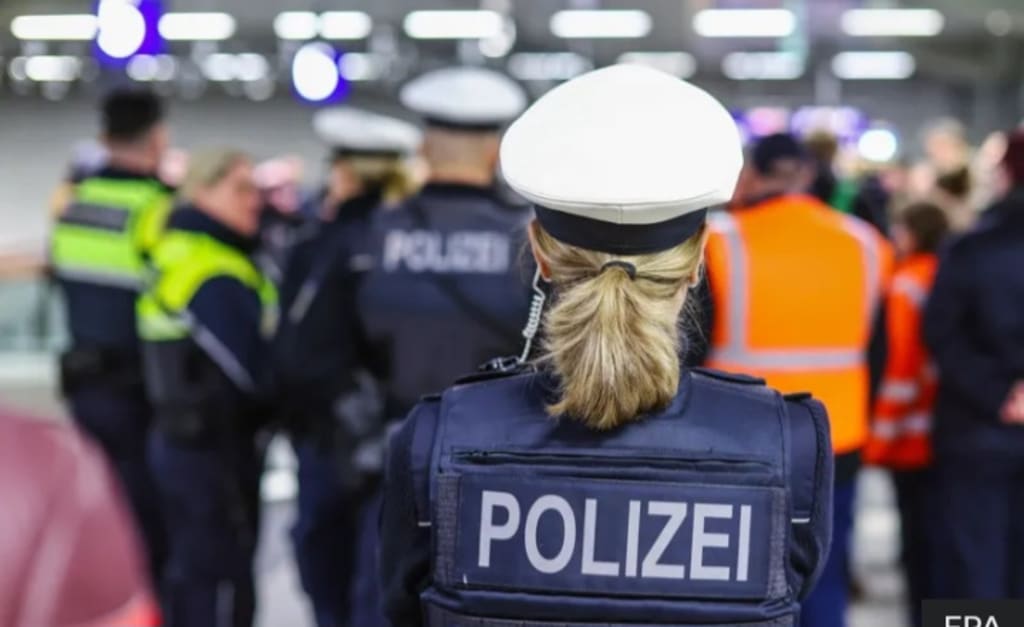
In a significant development that has raised alarms across Europe, German authorities have arrested a man suspected of being a member of Hamas, the militant Palestinian group that has been involved in violent confrontations with Israel for decades. The individual, whose identity has not yet been publicly disclosed, is accused of plotting an attack within Germany. The arrest marks an important moment in Germany’s ongoing efforts to combat terrorism on its soil and raises questions about the evolving nature of international terrorism, especially in light of groups like Hamas gaining ground in Europe.
Growing Terror Threat in Europe
The arrest in Germany comes amidst growing concerns over the presence of terror cells operating within Europe. For several years now, intelligence agencies have warned of the risk posed by groups like Hamas, Hezbollah, and Islamic State (ISIS), which have gained operational footholds within European borders. While Hamas has primarily focused its activities in the Middle East, its expanding global network has increasingly worried European security forces, prompting countries like Germany, France, and the United Kingdom to take a harder stance against its members.
Hamas has been classified as a terrorist organization by the European Union, but its members continue to operate in various European countries, raising troubling questions about the effectiveness of counter-terrorism strategies. With regional conflicts in the Middle East spilling over into Europe, the continent is grappling with how to respond to rising terrorism, both at home and abroad.
Details of the Arrest
The German authorities, who are yet to release comprehensive details of the operation, have confirmed that the suspect was arrested after months of surveillance. Intelligence gathered by Germany’s Federal Criminal Police (BKA) led them to believe the individual was planning a large-scale attack, although the specific target or method of attack has not been revealed. The arrest occurred in the southern city of Mannheim, a region known to have a significant Middle Eastern community, which has raised questions about whether this represents a broader regional threat.
The investigation has reportedly uncovered evidence linking the suspect to Hamas, as well as to individuals with ties to other terrorist organizations operating within Europe. While the authorities have not disclosed the full scope of the suspect’s alleged activities, this operation is a clear sign that European intelligence agencies are closely monitoring any potential threats from Hamas and other violent actors.
The Role of Hamas in Europe
Hamas, founded in 1987 during the First Intifada, is best known for its military operations against Israel. However, the organization has long had a political and social component, and it operates networks in various countries, including Turkey, Lebanon, and some European nations. In Europe, Hamas has been engaged in both fundraising and recruiting activities, often under the guise of charitable organizations and advocacy groups. The European Union has moved to block such activities, but reports suggest that the group still maintains significant support in parts of the continent.
This arrest shines a light on the growing influence of Hamas in Europe, a shift that could have far-reaching implications for European security. Authorities now face a dilemma: how do they balance the rights of individuals to freely associate and express political views with the need to safeguard national security? This is an especially complex issue when dealing with groups like Hamas, which claim to be a legitimate resistance movement in their home region but are universally recognized as a terrorist entity in the West.
The Bigger Picture: National and International Security
Germany’s proactive approach in this case is an indication of the country's seriousness in confronting the rising threat of terrorism. The country has long been a target for terror organizations due to its significant involvement in international military coalitions and its open stance on refugee resettlement. Security forces have had to adapt to the changing nature of terrorist threats, especially as such organizations evolve their tactics and expand their reach into new areas.
Germany is also part of a broader international network of counter-terrorism efforts, working alongside other EU nations, the United States, and Middle Eastern countries to thwart terror plots. However, the growing complexity of global terrorism—especially with groups like Hamas operating in Europe—presents challenges that no single nation can handle alone.
One of the most significant challenges is the ability of terror organizations to recruit and radicalize individuals within Western countries. Disillusioned youth, often from disenfranchised communities, are targeted by extremist groups looking to exploit their grievances and push them toward violent ideologies. In recent years, there has been a disturbing trend of people joining terrorist organizations after being radicalized in online spaces or through local mosques.
A Call for a Stronger Response
The arrest in Germany is a wake-up call for European leaders and security agencies. In light of increasing threats, there is a growing need for tighter surveillance, improved intelligence sharing, and more robust counter-terrorism measures. This includes not only security operations but also deradicalization programs that can prevent the rise of extremism within vulnerable communities.
Additionally, European nations must focus on how to prevent individuals from traveling to conflict zones, where they might receive training or establish further connections with international terror groups. The ability to track and stop the movement of suspected terrorists before they engage in plots is an essential component of any successful counter-terrorism strategy.
Conclusion
As the investigation into the suspected Hamas member continues, the larger picture of terrorism in Europe remains stark. The arrest highlights the delicate balance that Europe must maintain between securing its borders and respecting the freedoms and rights of its citizens. But with the increasing threat from groups like Hamas, Europe’s counter-terrorism framework must adapt to new realities. The events in Germany serve as a potent reminder that terrorism is a global issue that transcends borders, and Europe must remain vigilant to the shifting dynamics of extremist activity in the region.
Germany’s arrest of this suspected Hamas operative is just the beginning of what could be a long road to understanding the depth of this issue. How European nations respond—through both law enforcement and policy changes—will determine the future of security on the continent.
About the Creator
Keep reading
More stories from Ayesha Lashari and writers in The Swamp and other communities.
Soviet Urban Planning: How Soviet-Era Infrastructure is Helping Russia Freeze Ukraine's Cities
Introduction: Soviet Architecture in a Modern Conflict The war between Russia and Ukraine, particularly since the Russian invasion in 2022, has been marked by brutal strategies, one of which involves the use of urban infrastructure as a weapon of war. As the world watches, one interesting aspect of this ongoing conflict has been the role of Soviet-era urban planning in facilitating Russia’s strategy of freezing Ukraine's cities. The very infrastructure built during the Soviet period, known for its large-scale, utilitarian designs, is now playing a significant role in the conflict. Russia's ability to target these systems—and, by extension, civilians—demonstrates how deeply embedded Soviet urban designs are in the daily lives of both Russians and Ukrainians. This article explores how the architecture of a bygone era has been weaponized in the modern-day conflict.
By Ayesha Lashari2 days ago in The Swamp
Buy-to-Let Repossessions Jump More Than a Quarter, Lenders Reveal
The UK property market has witnessed a significant shift as buy-to-let repossessions have surged by over 25%, according to recent data from major lenders. This rise highlights the mounting pressures on landlords, changes in interest rates, and broader economic challenges affecting the property rental sector.
By Aarif Lashari4 days ago in The Swamp
Trump’s Era of Volatility Returns
For global markets, policymakers, and diplomatic allies, a familiar feeling has resurfaced: uncertainty driven by the words and actions of one man. With Donald Trump once again shaping the political and economic narrative, many observers say Trump’s era of volatility has returned, reviving the turbulence that defined his previous presidency. From markets swinging on policy hints to allies bracing for sudden shifts in U.S. strategy, the sense of instability is no longer theoretical — it is being actively priced into decisions worldwide.
By Salaar Jamali7 days ago in The Swamp




Comments
There are no comments for this story
Be the first to respond and start the conversation.