
Former Prince Andrew Moves Out of Royal Lodge at Windsor
The Duke of York’s departure marks another step in his reduced role within the royal family and the use of royal residences.
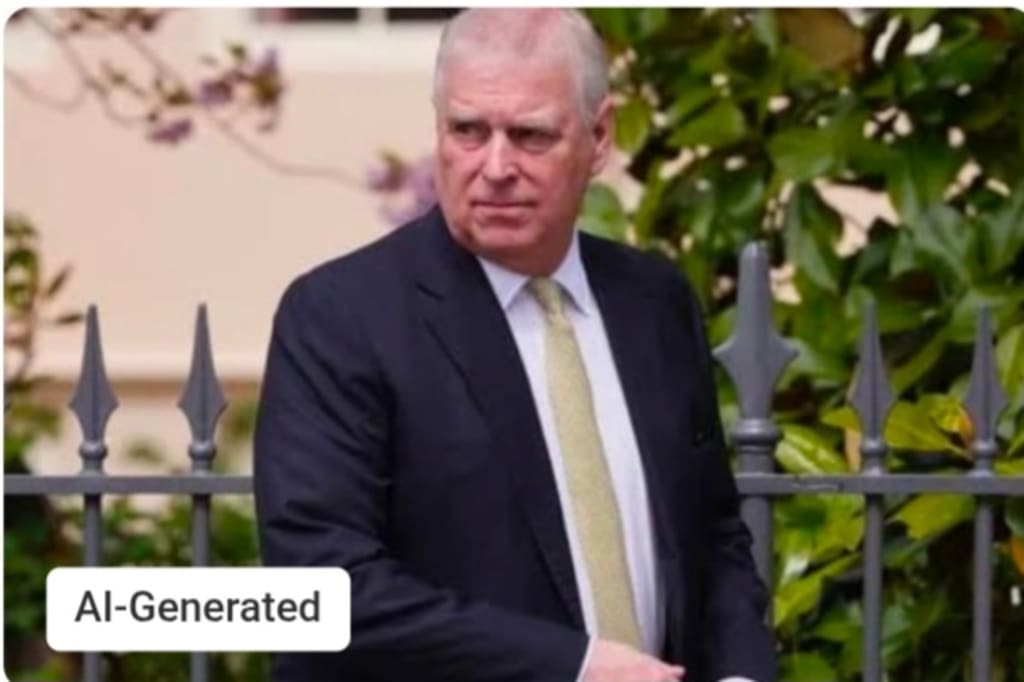
Former Prince Andrew, now officially known as Andrew Mountbatten-Windsor, has moved out of Royal Lodge in Windsor Great Park, bringing an end to more than twenty years of residence at one of the British monarchy’s most prestigious properties. While the move itself was carried out quietly, its implications are anything but small. It represents another chapter in the dramatic fall of a once-senior royal figure whose name has become inseparably linked with controversy.
A Longtime Home in the Heart of Windsor
Royal Lodge, a 30-room mansion nestled within Windsor Great Park, had been Prince Andrew’s primary residence since 2004. The property, though situated on Crown Estate land, functioned as Andrew’s private home under a long-term lease agreement. Over the years, the lodge became symbolic of his status within the royal family—privileged, protected, and largely removed from public accountability.
Andrew reportedly paid a substantial upfront sum for the lease and funded renovations, but critics long questioned why a non-working royal, particularly one surrounded by controversy, continued to occupy such a valuable royal property.
Why Now? The Timing of the Move
The timing of Andrew’s departure is significant. His exit from Royal Lodge comes amid renewed international scrutiny related to his past association with the late financier and convicted sex offender Jeffrey Epstein. Recently released documents in the United States, connected to Epstein’s network, reignited public discussion about Andrew’s role and relationships during that period.
Although Andrew has consistently denied all allegations of wrongdoing, the resurfacing of these documents placed renewed pressure on both him and the British monarchy. Against this backdrop, his move out of Windsor appears less like a personal choice and more like an institutional decision.
Loss of Titles and Royal Privilege
In late 2025, Buckingham Palace confirmed that Andrew would no longer use the title of “Prince” in any official capacity. From that point onward, he has been referred to simply as Andrew Mountbatten-Windsor. He had already stepped back from public duties in 2019, but the formal distancing continued as the monarchy sought to limit reputational damage.
Being required to vacate Royal Lodge is widely seen as part of this broader effort. The property is deeply associated with royal heritage, and allowing a disgraced former royal to remain there risked ongoing criticism of King Charles III and the institution he leads.
A New Life at Sandringham
Following his departure from Windsor, Andrew has relocated temporarily to Sandringham Estate in Norfolk, a privately owned royal property belonging to King Charles. He is believed to be staying at Wood Farm Cottage, a far more modest residence compared to Royal Lodge, while another property on the estate undergoes renovation.
The move to Sandringham is symbolically important. Unlike Windsor, which represents public royal tradition, Sandringham is considered a more private family space. Andrew’s relocation there suggests a further retreat from public visibility and influence.
Legal Shadows That Won’t Fade
Andrew’s reputation suffered its most severe blow following his association with Jeffrey Epstein. In 2019, his BBC Newsnight interview—intended to clear his name—had the opposite effect, drawing widespread criticism for its tone and lack of empathy.
Later, he faced a civil lawsuit in the United States filed by Virginia Giuffre, who accused him of sexual assault when she was a minor. Andrew settled the case in 2022 without admitting liability. While the settlement allowed him to avoid a trial, it did little to restore public trust.
With new Epstein-related materials emerging, British police have acknowledged that they are reviewing certain allegations, although no formal charges have been brought.
Political and Public Reaction
The reaction to Andrew’s move has been mixed. Some commentators view it as long overdue, arguing that it demonstrates accountability and a necessary shift toward transparency within the monarchy. Others believe Andrew is being quietly pushed aside to protect the institution rather than address deeper questions about privilege and power.
Political leaders have also weighed in, with calls for full cooperation with any investigations, should authorities require information from Andrew.
What This Means for the Monarchy
Andrew’s departure from Royal Lodge is more than a change of address. It reflects how the British monarchy is adapting—sometimes reluctantly—to modern expectations. Public tolerance for secrecy and perceived immunity has diminished, and royal status alone is no longer enough to shield individuals from scrutiny.
For King Charles III, the decision signals an attempt to draw clearer boundaries between personal family matters and the public image of the Crown.
The End of an Era
For over two decades, Andrew was a permanent presence in Windsor Great Park. His quiet exit closes that chapter. Whether history will judge this move as accountability, damage control, or both remains to be seen.
One thing is clear: Andrew Mountbatten-Windsor’s life today bears little resemblance to that of the prince he once was. And his departure from Royal Lodge stands as a powerful symbol of how dramatically his fortunes—and the monarchy’s approach—have changed.
About the Creator
Keep reading
More stories from Ayesha Lashari and writers in The Swamp and other communities.
House Votes to End Government Shutdown, Buys Time for ICE Talks
In a historic move, the U.S. House of Representatives voted decisively this week to temporarily prevent a looming government shutdown, providing a much-needed lifeline for the ongoing negotiations surrounding immigration policies and the role of the U.S. Immigration and Customs Enforcement (ICE). The measure is being hailed by some as a stopgap solution, buying time for lawmakers to hash out critical reforms. However, critics argue that it is little more than a temporary fix, leaving unresolved debates that could spill into the next round of budgetary debates.
By Ayesha Lasharia day ago in The Swamp
Why Black History Matters in America?
The United States of America is celebrating their 250th anniversary in 2026. I'm proud to be an American and as someone who was born here, I wouldn't imagine myself living anywhere else. This is a country where opportunities are possible. Where anyone can be successful in anything they desire to do. Equality, community, and togetherness are the backbones of what America is and should be about. However, we have an administration who wants to erase and disregard those who have made positive, meaningful impacts in our country, specifically Black figures, such as Martin Luther King, Jr., Rosa Parks, and Maya Angelou. President Trump and his administration have been constantly complaining and fighting against what they call the "Woke agenda". They use this excuse as a distraction from other issues they refuse to address, such as the high cost of living, climate change, and inflation. That equality is dividing America, when in reality, it's bringing us together. Being woke is not tied to a specific political party. No matter where you stand on the political spectrum, you can still care about other people and their plights. Compassion and empathy for others isn't tied to a political party, either. We were taught as children to treat others the way we want to be treated and not judge others because they're different from us. Caring about others isn't a personal attack on your beliefs. It doesn't make you any less of a person. People who are easily offended over African American figures, past or present, or anything related to it, are grasping at straws. Current and future generations need to know who people like Harriet Tubman and Shirley Chisholm were, especially in the classroom. Black History is part of American History. It should be recognized, not hidden or forgotten. Besides, you can't shield children from everything, just because your feelings are easily hurt.
By Mark Wesley Pritchard 4 days ago in The Swamp




Comments
There are no comments for this story
Be the first to respond and start the conversation.