
Democrats Vow Not to Fund ICE After Shooting, Imperiling Spending Deal
Lawmakers escalate opposition to Homeland Security funding in response to a fatal federal shooting, raising stakes for a government spending deadline.

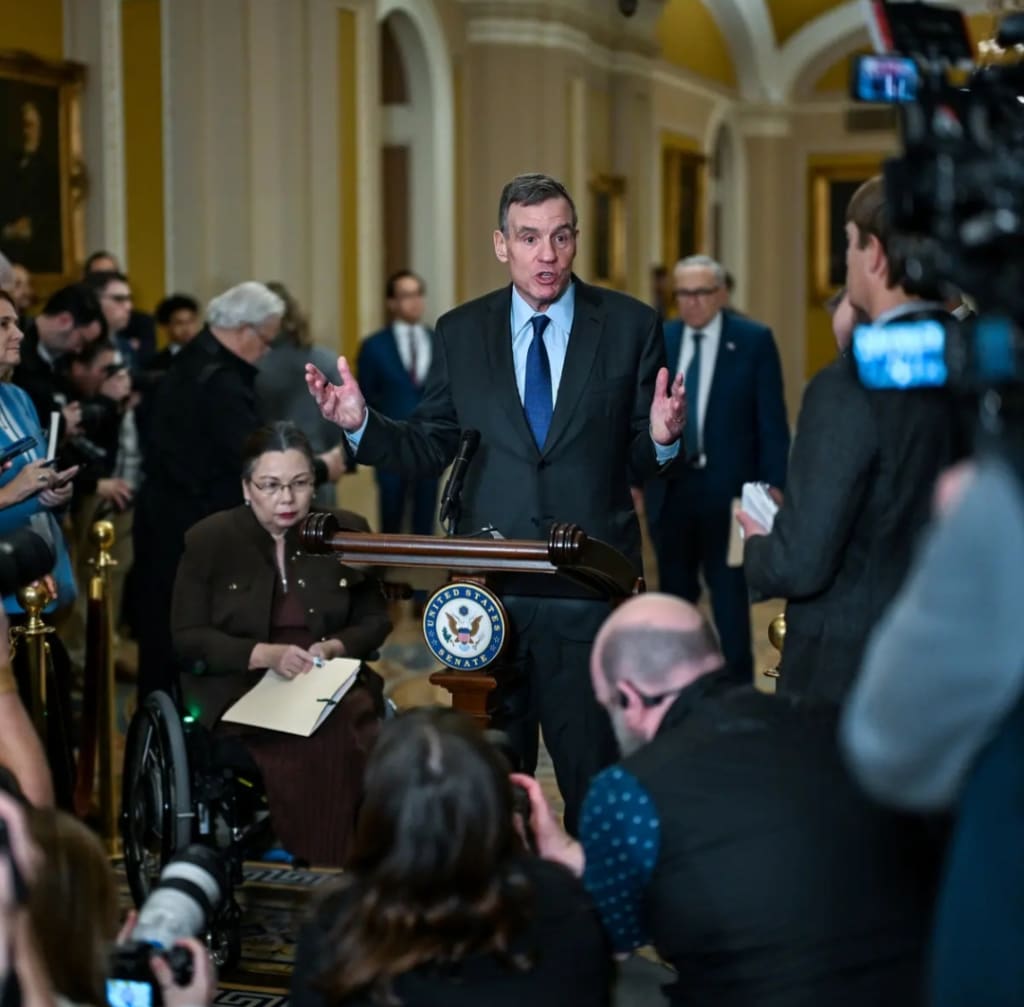
In the aftermath of another fatal law-enforcement shooting in Minneapolis, Senate Democrats on January 24, 2026 announced they will refuse to support federal funding that includes money for U.S. Immigration and Customs Enforcement (ICE) unless significant reforms are enacted — a decision that now threatens a crucial government spending deal and raises the specter of a partial federal shutdown.
The Trigger: Minneapolis Shooting and Rising Outrage
The immediate catalyst for Democratic opposition was the fatal shooting of a 37-year-old man by federal agents during a Homeland Security enforcement operation in Minneapolis. The incident — the second of its kind in the city in recent weeks — intensified longstanding tensions over aggressive federal immigration enforcement and prompted widespread local protests and national debate.
Senate Minority Leader Chuck Schumer said Democrats will block the entire spending package if the portion funding the Department of Homeland Security (DHS) remains unchanged. That section allocates approximately $64.4 billion to DHS, including around $10 billion earmarked for ICE — and has already cleared the House of Representatives.
What Democrats Are Demanding
Democratic lawmakers, including Senators Elizabeth Warren, Jacky Rosen, Brian Schatz, and others, have publicly declared they will not vote to advance DHS spending unless reforms are included to curtail what they describe as unaccountable use of force by immigration agents. Many have echoed sentiments such as “not a penny more for ICE” and called for concrete safeguards and oversight measures before any funding is approved.
The demands range from enhanced accountability and transparency to strict operational reforms for DHS agencies, including ICE and U.S. Customs and Border Protection (CBP). Some progressives have gone further, calling for ICE to be removed from cities like Minneapolis entirely or even abolished altogether.
A Deal Imperiled: Deadline Looms
The Senate faces a Friday, January 30, 2026 deadline to pass the government spending package to avoid a partial shutdown. If the Democrats hold their position, significant parts of the federal government — including Defense, Transportation, and Health agencies — could cease operations once funding expires.
Schumer’s decision represents a major escalation in the politics surrounding DHS funding. Earlier this month, Democrats had attempted to secure “common-sense reforms” within the DHS appropriations bill but argue that Republicans and the White House have refused to adopt meaningful changes. “The DHS bill is woefully inadequate to rein in the abuses,” Schumer wrote in a social media statement, according to CNN.
Internal Party Divides and House Action
House Democrats already faced an internal split over DHS funding. A handful of Democratic representatives joined Republicans to approve the overall funding measure, arguing that some reforms — like reduced detention beds or increased body camera usage for agents — were insufficient but preferable to a shutdown. However, many in the party insist that these reforms are too weak or symbolic, failing to change the larger culture of enforcement.
This intra-party tension highlights broader friction within the Democratic caucus between moderates willing to compromise and progressives pushing for more sweeping change.
Political and Public Reactions
The issue has also drawn responses from beyond the Senate. Representative Alexandria Ocasio-Cortez and other House progressives urged colleagues to reject the DHS funding portion entirely. Meanwhile, some local officials and community leaders in Minneapolis have called for the complete withdrawal of ICE agents from their city, arguing that federal enforcement only worsens community trust and safety.
On the other side of the aisle, some Republicans have defended ICE funding and enforcement efforts, arguing that the agency is essential for border security and public safety — and that political disagreements should not jeopardize the functioning of the federal government.
What a Shutdown Would Mean
A government shutdown would impact millions of Americans, halting services and furloughing federal workers until Congress reaches an agreement. Even if DHS funding is separated from other appropriations in negotiations, the political standoff underscores how a single policy dispute — in this case over immigration enforcement — can have widespread consequences.
Democrats say their stand is about more than just funding: it is about holding federal agencies accountable, protecting civil liberties, and responding to public outrage after multiple controversial enforcement actions. Critics argue that the strategy could risk valuable concessions on other priorities if negotiations deteriorate.
Looking Ahead
With less than a week to reach a deal, negotiations are likely to intensify on Capitol Hill. Some lawmakers are exploring ways to split DHS funding from the broader spending package so that other agencies can be funded independently while negotiations focus on contentious issues like ICE. Others warn that such maneuvers could further complicate an already delicate bargaining process.
Whether Democrats’ vow will secure meaningful reforms or simply lead to a political impasse remains uncertain. What is clear is that the Minneapolis shooting has reverberated far beyond Minnesota’s borders, transforming a localized tragedy into a pivotal juncture in national budget politics.
About the Creator
Keep reading
More stories from Salaar Jamali and writers in The Swamp and other communities.
Change is Inevitable’: What Is Next for Iran
A Nation Under Strain Iran, one of the Middle East’s most strategically important countries, is facing a moment of profound upheaval. After months of economic turmoil, civil unrest and a brutal government crackdown, political analysts, citizens and international leaders alike are asking what comes next. The old social contract — once defined by religious authority, revolutionary legitimacy, and economic stability — is unraveling. And many observers now argue that change in Iran is no longer just possible — it is inevitable.
By Salaar Jamalia day ago in The Swamp
UK Says It ‘Will Never Compromise on National Security’ After Trump Calls Chagos Deal ‘Act of Great Stupidity’
The United Kingdom has firmly pushed back against criticism from former US President Donald Trump after he branded the UK’s agreement over the Chagos Islands as an “act of great stupidity.” British officials, responding amid heightened political scrutiny, have stressed that the government “will never compromise on national security,” framing the issue as one of long-term strategic responsibility rather than short-term political theater.
By Fiaz Ahmed Brohi6 days ago in The Swamp
Trump Tariff Threats Over Greenland Prompt Calls for Unprecedented EU Counter-Measures
In a move that has sent ripples through international trade circles, former U.S. President Donald Trump’s tariff threats over Greenland have prompted urgent discussions within the European Union about possible counter-measures. The escalating tension highlights the fragile state of transatlantic trade relations and raises questions about the EU’s ability to respond decisively to economic pressure from Washington.
By Muhammad Hassan7 days ago in The Swamp



Comments
There are no comments for this story
Be the first to respond and start the conversation.