
Trump Tariff Threats Over Greenland Prompt Calls for Unprecedented EU Counter-Measures
Trump’s tariff threats over Greenland spark urgent EU talks on counter-measures and trade defense

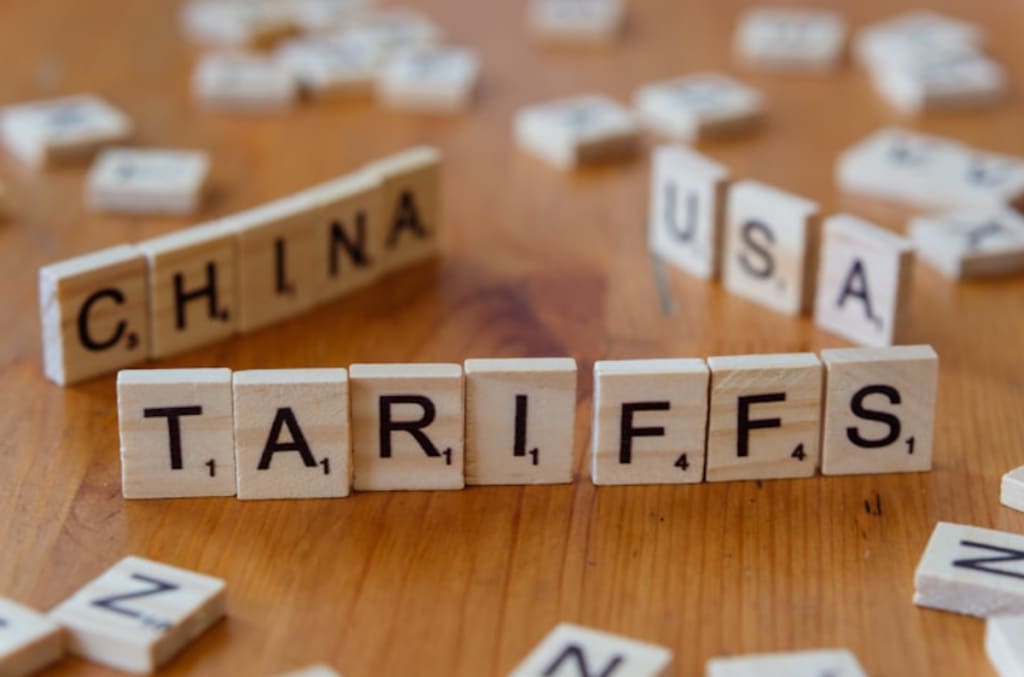
In a move that has sent ripples through international trade circles, former U.S. President Donald Trump’s tariff threats over Greenland have prompted urgent discussions within the European Union about possible counter-measures. The escalating tension highlights the fragile state of transatlantic trade relations and raises questions about the EU’s ability to respond decisively to economic pressure from Washington.
The controversy centers on Trump’s repeated warnings of tariffs and trade restrictions targeting Greenlandic exports, part of broader discussions around U.S. interests in the Arctic region. While Greenland is a self-governing territory within the Kingdom of Denmark, it occupies a strategic and resource-rich position, making it a focal point for geopolitical and trade considerations.
The Background: Why Greenland Matters
Greenland has long been in the spotlight for its strategic location and natural resources. The island is rich in minerals, rare earth elements, and fisheries, making it increasingly important in global supply chains. The Arctic, more broadly, has become a zone of competition as melting ice opens new shipping routes and access to untapped resources.
Trump’s approach to Greenland has been controversial. Beyond expressing interest in potential U.S. investment in infrastructure and mining, his tariff threats are seen by analysts as a tactic to exert leverage on Europe, especially Denmark, which manages Greenland’s foreign affairs.
The move underscores a broader trend: trade and diplomacy are now intertwined with strategic territorial considerations, forcing regional powers to reconsider their economic and political responses.
What Trump’s Tariff Threats Entail
Trump’s threats are not just rhetorical. They include the possibility of:
Imposing tariffs on Greenlandic exports to the U.S.
Restricting access to key markets for resources such as seafood, rare earth minerals, and other strategic commodities.
Using tariffs as a negotiation tool to extract concessions from Denmark and the EU.
Such measures, if implemented, would be unprecedented, targeting a territory that contributes modestly to global trade but holds outsized strategic value. Economists warn that even minor tariffs could disrupt supply chains and trigger a cascade of retaliatory measures, affecting EU companies and U.S. consumers alike.
EU Response: Calls for Counter-Measures
European leaders have responded with alarm and resolve. The European Commission has reportedly begun evaluating a range of counter-measures, emphasizing that the EU will not accept threats undermining its sovereignty or trade interests. Possible actions under discussion include:
Reciprocal Tariffs: Imposing duties on U.S. exports to the EU, potentially targeting agricultural products, technology goods, or energy supplies.
Legal Action Through the WTO: Filing complaints against the U.S. for violating international trade agreements.
Diversifying Trade Partnerships: Strengthening trade with Asia and other regions to reduce reliance on the U.S. market.
Strategic Sanctions: Coordinating with member states to protect Greenlandic and Danish economic interests from coercive measures.
The discussion of counter-measures is significant because it signals a departure from traditional EU restraint in trade conflicts. Analysts note that the EU’s willingness to respond decisively could set a new precedent for handling U.S. trade aggression.
Geopolitical Stakes
The tension over Greenland is not purely economic. It is part of a broader strategic competition in the Arctic, where climate change, melting ice, and resource potential intersect with national security. Greenland’s importance to NATO, its proximity to North America, and its mineral wealth make it a geopolitical prize.
By threatening tariffs, the U.S. has effectively linked trade policy with geopolitical influence, challenging Europe to balance diplomacy, economic interests, and defense considerations. Some analysts warn that failure to respond decisively could embolden future trade threats, while overly aggressive retaliation could escalate tensions in an already delicate transatlantic relationship.
Economic Implications
While Greenland’s direct exports are relatively small in global terms, the ripple effects could be substantial:
Seafood Industry: Greenland exports a significant amount of fish and seafood to Europe and beyond. Tariffs could disrupt this market.
Mineral Supply Chains: Rare earths and strategic minerals from Greenland are increasingly important for technology and defense sectors. Disruption could affect EU industries dependent on these resources.
Investor Confidence: Uncertainty over trade policy and tariffs may discourage U.S. and EU investment in Greenland’s infrastructure and mining sectors.
Economists stress that even the threat of tariffs can be enough to affect market dynamics, influencing decisions by companies on both sides of the Atlantic.
Political Reactions
The Greenland tariff debate has also stirred political discussions within the EU and Denmark. Danish leaders have stressed that Greenland’s autonomy must be respected and have called for coordinated EU action. European Parliament members have echoed these concerns, emphasizing that Europe cannot allow its trade partners to use threats as leverage.
In the U.S., some lawmakers have criticized Trump’s approach, arguing that coercive tariffs could undermine long-standing alliances and disrupt the strategic stability of NATO. Others support a tougher stance in Greenland due to its strategic Arctic position and resource potential.
Looking Ahead
The Greenland tariff issue illustrates how trade, strategy, and geopolitics are increasingly intertwined. For the EU, the challenge is clear: protect economic interests while maintaining diplomatic channels. For the U.S., it raises questions about the use of tariffs as a geopolitical tool and the potential fallout from aggressive trade policies.
Observers note that the coming months could set long-term precedents for transatlantic trade relations, not just for Greenland but for other territories and resource-rich regions worldwide. The outcome will likely influence future negotiations, trade agreements, and geopolitical alliances.
Conclusion
Trump’s tariff threats over Greenland are more than a headline—they are a litmus test for the EU’s ability to respond to economic coercion. The situation underscores the increasingly complex intersection of trade, geopolitics, and strategic interests in the 21st century.
As European leaders deliberate on potential counter-measures, the world is watching how the EU balances economic retaliation, diplomacy, and alliance maintenance. For Greenland, the stakes are high: the island’s resources, autonomy, and role in Arctic geopolitics are now at the center of a dispute that could reshape transatlantic relations for years to come.
The Greenland case reminds policymakers and business leaders alike that in today’s global economy, tariffs are not just about money—they are a tool of power, influence, and strategy, with consequences far beyond simple trade numbers.
About the Creator
Muhammad Hassan
Muhammad Hassan | Content writer with 2 years of experience crafting engaging articles on world news, current affairs, and trending topics. I simplify complex stories to keep readers informed and connected.
Keep reading
More stories from Muhammad Hassan and writers in The Swamp and other communities.
Asda Chairman Allan Leighton Has Struggled to Rebuild the Supermarket’s Market Share
Asda, one of the UK’s largest supermarket chains, has long been a household name, known for its value-driven approach and wide product range. Yet in recent years, the retailer has faced intense competition from rivals like Tesco, Sainsbury’s, Aldi, and Lidl. In this challenging environment, Asda Chairman Allan Leighton has tried to steer the supermarket back to growth, but the path has proven far from smooth.
By Muhammad Hassanabout 23 hours ago in The Swamp
Trump Slams UK’s Chagos Islands Deal as an “Act of Great Stupidity”
In a sharp diplomatic critique, former U.S. President Donald Trump has described the United Kingdom’s decision to transfer sovereignty of the Chagos Islands to Mauritius as an “act of great stupidity.” His comments have stirred global attention, highlighting tensions over military strategy, historical claims, and international diplomacy.
By Aarif Lashari13 minutes ago in The Swamp


Comments
There are no comments for this story
Be the first to respond and start the conversation.