
A Massive Winter Storm Is Coming: Don’t Make These Mistakes as You Prepare
“Avoid common winter storm mistakes and ensure your home, family, and safety are prepared before the snow hits.”

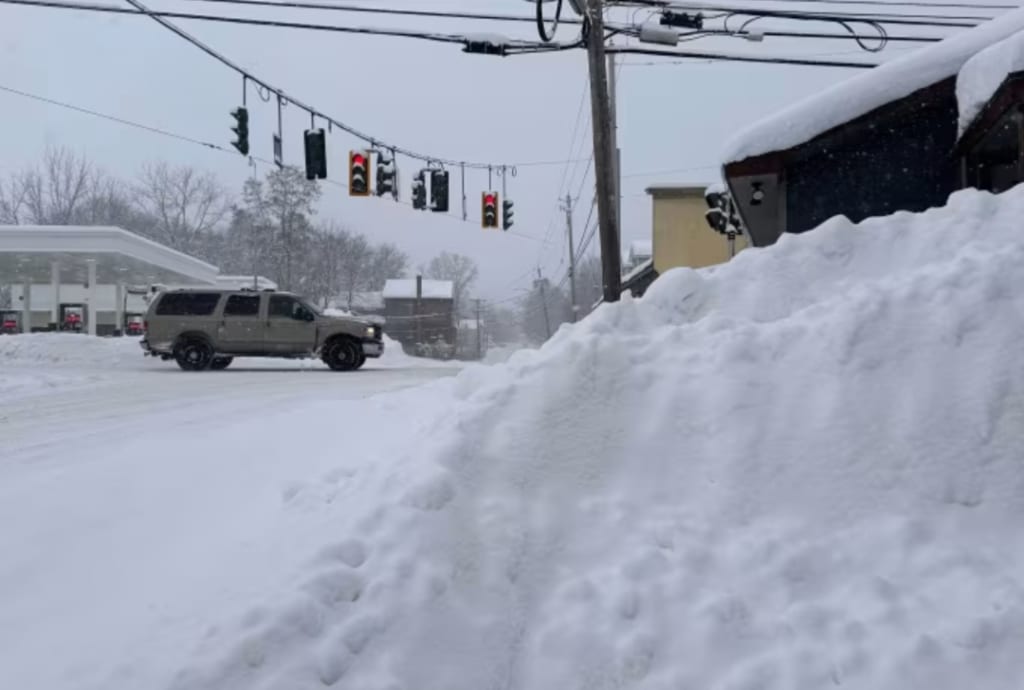
How to stay safe, avoid common preparation errors, and protect your home and family
Winter storms are a natural hazard that can escalate quickly, leaving residents stranded, powerless, or exposed to life-threatening conditions. Meteorologists are warning of a massive winter storm approaching multiple regions, expected to bring heavy snow, ice, and frigid temperatures. While preparation is key, many people make avoidable mistakes that can turn a severe weather event into a disaster. Understanding these missteps and how to prevent them is crucial.
---
1. Ignoring Early Warnings
One of the most common mistakes is waiting too long to prepare. Weather alerts are issued in advance to give residents ample time to gather supplies, secure property, and make travel arrangements. Ignoring or underestimating these warnings can leave you without food, water, heat, or necessary medications when the storm hits.
Tip: Sign up for local weather alerts on your phone, follow trusted meteorological sources, and take action immediately when warnings are issued. Even a 24‑hour head start can make a significant difference in preparedness.
---
2. Neglecting Essential Supplies
Another frequent error is underestimating the supplies needed for survival during a severe winter storm. Power outages, blocked roads, and limited access to stores can last several days. Many households are caught off guard by running out of food, water, or fuel.
Tip: Stockpile at least three days of non-perishable food and one gallon of water per person per day. Include essential medications, batteries, flashlights, blankets, and a fully charged power bank for electronics. Don’t forget supplies for pets.
---
3. Driving in Unsafe Conditions
Attempting to drive during a heavy snowstorm or ice storm is extremely risky and a common mistake. Snow-covered roads, black ice, and reduced visibility increase the likelihood of accidents. Emergency services may also be delayed, leaving stranded drivers vulnerable to hypothermia and dehydration.
Tip: Avoid travel unless absolutely necessary. If you must drive, carry a winter emergency kit in your vehicle, including blankets, food, water, a shovel, and traction aids. Make sure your gas tank is full and keep your phone charged.
---
4. Failing to Protect Your Home
Winter storms can cause property damage through ice dams, burst pipes, and roof collapses under heavy snow. Homeowners often overlook preventive measures until it’s too late.
Tip: Insulate exposed pipes, seal gaps in windows and doors, and check the roof’s structural integrity. Have a plan to clear snow safely and keep gutters and drains free of ice. If you use a fireplace or space heater, ensure they are in good working order.
---
5. Relying Solely on Digital Communication
During extreme storms, cellular networks and internet services can fail, making digital devices unreliable for emergency communication. Many people assume they can check updates or call for help anytime, which can be a dangerous assumption.
Tip: Have alternative communication methods, such as a battery-powered weather radio, walkie-talkies, or a pre-arranged plan with family and neighbors. Print emergency contacts and local shelter locations in case digital systems fail.
---
6. Ignoring Personal Safety and Health Needs
Winter storms create life-threatening conditions such as hypothermia and frostbite. A common mistake is staying outside for prolonged periods in freezing temperatures or not dressing properly.
Tip: Layer clothing with moisture-wicking fabrics, wear insulated boots, gloves, and hats. Avoid overexertion when shoveling snow to prevent heart attacks. Keep elderly family members and children especially well-protected.
---
7. Underestimating Ice Hazards
Ice accumulation can make walkways, driveways, and roads extremely slippery. Many injuries occur from falls on ice rather than from the storm itself.
Tip: Use ice melt or sand on pathways. Walk carefully, take small steps, and wear shoes with good traction. For vehicles, install winter tires and maintain safe distances from other cars on the road.
---
8. Not Planning for Power Outages
Winter storms often knock out electricity for hours or even days. Lack of heating can be dangerous, especially in frigid temperatures. Some people fail to prepare adequately, relying on electric heaters or assuming neighbors will help.
Tip: Have alternative heat sources such as a fireplace, wood stove, or generator. Ensure you have plenty of blankets and warm clothing. Charge all devices beforehand, and avoid using fuel-burning devices indoors without proper ventilation.
---
9. Forgetting About Mental and Emotional Health
Being snowed in can be stressful, especially if you are isolated or managing family responsibilities. Anxiety and panic are common mistakes that can impair judgment during emergencies.
Tip: Prepare activities to pass the time, such as board games, books, or offline entertainment. Check in on neighbors and loved ones via phone or radio. Maintaining routines, staying calm, and pacing yourself is key to resilience.
---
10. Failing to Have an Evacuation or Emergency Plan
Finally, many households lack a clear plan for worst-case scenarios. Knowing where to go, whom to call, and how to access local shelters is critical.
Tip: Identify nearby warming centers or emergency shelters. Have an evacuation route mapped out, and ensure all family members understand the plan. Keep emergency bags ready to grab if relocation becomes necessary.
---
Conclusion
A massive winter storm poses serious risks to safety, property, and well-being. Many of the dangers can be mitigated with proactive preparation, awareness, and simple safety measures. Avoiding common mistakes — like ignoring warnings, underestimating supplies, or driving in unsafe conditions — can mean the difference between a manageable inconvenience and a life-threatening situation.
By taking winter storm preparation seriously, securing your home, and planning for emergencies, you can weather the storm safely and ensure that you and your loved ones remain protected until the skies clear.
---
If you want, I can also create a practical checklist infographic version of this article that readers can use immediately to prepare for the storm.
Do you want me to make that next?ting
About the Creator
Keep reading
More stories from Salaar Jamali and writers in The Swamp and other communities.
Greenland’s Strategic Position in Seven Maps: Why Trump Wants the Island
Understanding the Arctic’s geopolitical, economic and military importance through visual context Greenland—a frozen expanse that once seemed far removed from global power politics—has become a central point of international strategic interest in 2026. Former U.S. President **Donald Trump’s push to secure Greenland from Denmark sparked worldwide discussion and debate, emphasizing why this vast Arctic island matters far more than its sparse population might suggest. By examining Greenland’s strategic position through seven key map‑based themes, we can better understand its importance in global security, resources, and emerging economic corridors.
By Salaar Jamalia day ago in The Swamp
High Stakes but Low Expectations for Ukraine Talks with Russia and the United States
As the war in Ukraine drags into another grueling phase, renewed diplomatic efforts involving Ukraine, Russia, and the United States carry enormous geopolitical stakes—but very modest expectations. After years of intense fighting, economic disruption, and human suffering, any dialogue is seen as valuable. Yet few observers believe that current talks will lead to a meaningful breakthrough or an end to the conflict in the near future.
By Ayesha Lashariabout 15 hours ago in The Swamp
Trump Wants Homebuyers to Tap 401(k)s for Down Payments. Should They?
Former President Donald Trump has recently suggested that prospective homebuyers consider using their 401(k) retirement savings to cover down payments. The proposal has sparked debate among financial experts, housing market watchers, and everyday Americans trying to navigate skyrocketing home prices. While tapping into retirement funds may seem like a fast track to homeownership, it carries risks and long-term implications that deserve careful consideration. The Housing Affordability Crisis Housing affordability has become a major issue in the United States. Home prices in many regions have surged over the past few years, fueled by low inventory, rising demand, and inflationary pressures. For many potential buyers, saving for a down payment is the most significant hurdle. The median down payment for a single-family home often exceeds tens of thousands of dollars, putting homeownership out of reach for younger or first-time buyers. Trump’s suggestion to tap 401(k)s reflects a broader concern about affordability and accessibility. By allowing individuals to use retirement funds, homeownership may appear more attainable, especially in competitive real estate markets. How Tapping a 401(k) Works A 401(k) is a retirement savings plan offered by employers, often with tax advantages and potential employer matching contributions. Normally, the goal of a 401(k) is to provide income after retirement, not to fund short-term expenses. However, many plans allow loans or withdrawals for specific purposes, including first-time home purchases. 401(k) Loans: Borrowing from your 401(k) means taking out a loan from your retirement balance, which must be repaid with interest within a set timeframe, usually five years. The interest typically goes back into the account. Hardship Withdrawals: Some plans allow withdrawals without repayment under certain conditions, though this may trigger taxes and early withdrawal penalties if the account holder is under 59½. Using these funds to cover a down payment can be tempting because it leverages money you already have. But there are risks. The Pros of Using 401(k) Funds Quick Access to Capital: 401(k) loans or withdrawals can provide immediate funds for a down payment without relying on external lenders. Potential to Enter the Housing Market Sooner: For buyers struggling to save, using retirement funds may allow them to buy a home in a competitive market before prices rise further. Paying Yourself Back: In the case of a 401(k) loan, the interest payments go back into your own account, theoretically making it less costly than borrowing from a bank. For some, this approach might seem like a clever workaround to break into the housing market, especially in areas with rapidly rising property values. The Risks and Drawbacks Despite the short-term benefits, tapping into a 401(k) comes with serious risks: Lost Investment Growth: Money withdrawn or borrowed from a 401(k) is no longer invested in the market. Even a few years of missed compound growth can significantly reduce retirement savings. Taxes and Penalties: Withdrawals before age 59½ may trigger a 10% penalty plus income taxes, reducing the amount available for a down payment. Repayment Risks: If a 401(k) loan isn’t repaid on time—especially if the borrower changes jobs—the remaining balance may be treated as a taxable distribution. Impact on Retirement Security: Using retirement savings for a home reduces the funds available for the future, potentially leading to financial insecurity in later years. Financial advisors generally caution that retirement funds should be a last resort for major purchases like homeownership. Alternative Strategies Experts suggest several alternatives to using retirement savings for a down payment: First-Time Homebuyer Programs: Many states and local governments offer grants, low-interest loans, or down payment assistance programs. Employer-Assisted Housing: Some employers provide housing benefits or matched savings programs to support home purchases. Savings Plans Outside Retirement Accounts: Creating a dedicated home savings account can provide liquidity without jeopardizing retirement security. Shared Ownership or Co-Buying: In some areas, buyers can partner with family or investors to share the cost and responsibilities of homeownership. These strategies can help prospective buyers enter the market while keeping retirement funds intact. Expert Opinions Financial experts are divided on Trump’s proposal. Some see it as a practical solution to a growing affordability crisis, especially for high-earning individuals with robust retirement accounts. Others warn that using 401(k) funds for a home can jeopardize long-term financial stability. “Your retirement savings are your most valuable asset for your future,” says Marissa Chen, a certified financial planner. “Using them for a home down payment may solve an immediate problem but can create much larger issues down the line.” Economist Kevin Anderson adds, “While tapping 401(k)s might help some buyers today, it’s not a scalable solution for systemic housing affordability issues. Policymakers should focus on supply, lending options, and incentives rather than encouraging withdrawals from retirement funds.” Real-World Considerations For many Americans, the decision to use 401(k) funds may depend on personal circumstances, such as income, job stability, and proximity to retirement. Younger buyers might consider it if they have a long investment horizon and can repay loans quickly. Older buyers, or those nearing retirement, may face significant penalties or lost growth, making it a risky move. Additionally, housing markets vary widely. In high-cost areas like San Francisco or New York, the pressure to access large down payments may make 401(k) withdrawals more tempting. In lower-cost regions, traditional savings strategies may suffice. Conclusion Trump’s suggestion that homebuyers tap their 401(k) accounts for down payments has reignited discussion on housing affordability and financial strategy. While it may provide a fast track for some buyers, it carries considerable risks, including reduced retirement security, taxes, and lost investment growth. Prospective homebuyers should carefully weigh the short-term benefits against long-term consequences. Exploring alternative options, such as first-time homebuyer programs, employer-assisted housing, or dedicated savings accounts, may offer safer paths to homeownership. Ultimately, the decision is highly personal and situational. Financial planners generally recommend preserving retirement accounts as the foundation of future security, treating them as a last resort rather than a first step toward buying a home. For Americans navigating a competitive housing market, understanding the trade-offs is essential before making a choice that could affect both their present and their financial future.
By Muhammad Hassan7 days ago in The Swamp




Comments
There are no comments for this story
Be the first to respond and start the conversation.