
Chris Mason: Both Tories and Labour Feel the Reform Heebie-Jeebies
How Nigel Farage’s Reform UK is unsettling Britain’s political comfort zones
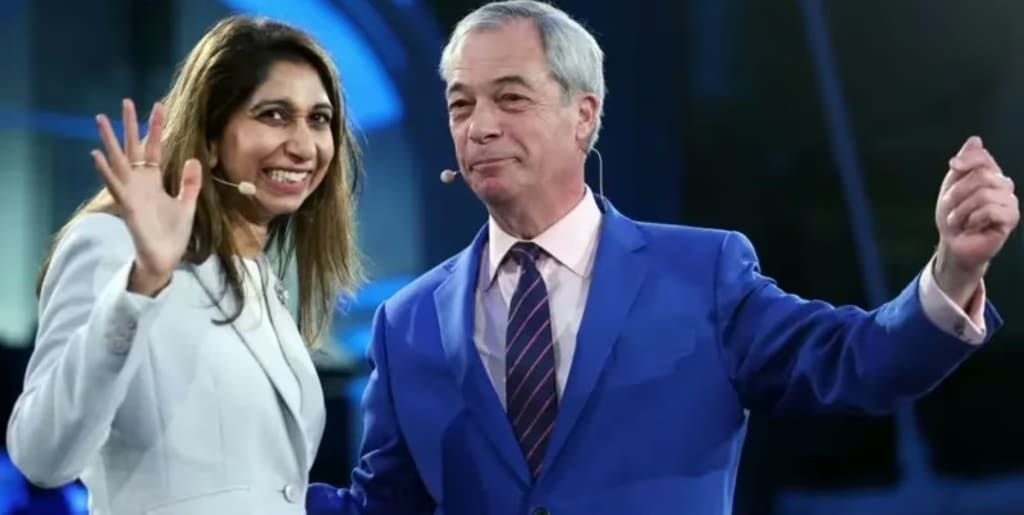
British politics has a habit of reinventing its anxieties, and right now, one name keeps cropping up in whispered briefings and not-so-whispered TV debates: Reform UK. As BBC political editor Chris Mason has repeatedly observed, both the Conservatives and Labour are feeling the “Reform heebie-jeebies” — a nervous unease that this insurgent party could reshape electoral calculations in ways neither side fully controls.
At first glance, this might seem odd. Reform UK holds no seats in Westminster and has never formed a government. Yet its influence is less about raw parliamentary power and more about mood, momentum, and messaging. Reform has become a vessel for frustration — with immigration, political elites, economic stagnation, and a sense that the main parties are offering variations of the same cautious script.
Why the Conservatives Are Looking Over Their Shoulder
For the Conservatives, the threat from Reform is existential in a very practical sense. Reform’s appeal overlaps heavily with the Tory base: older voters, Brexit supporters, and those instinctively suspicious of large government and cultural change. When Reform polls at 10–15 percent, it doesn’t need to win seats to cause damage. It only needs to split the vote.
Chris Mason has highlighted how this fear quietly shapes Conservative strategy. Tougher rhetoric on immigration, symbolic battles over culture wars, and repeated promises to “stop the boats” are not just policy choices — they are defensive moves. Reform’s presence makes it harder for Tory leaders to pivot toward the political centre, even when that might be electorally sensible.
There’s also a psychological component. Reform represents a reminder of unfinished business from Brexit. Many voters who backed leaving the EU feel that the promises of sovereignty and control were diluted or betrayed. Reform taps into that grievance, framing the Conservatives as managers of decline rather than agents of transformation. For a governing party already bruised by years of internal division, that narrative stings.
Labour’s Discomfort Runs Deeper Than It Admits
Labour, on paper, should feel more relaxed. Reform draws more directly from Conservative support, and any erosion of the Tory vote could ease Labour’s path to power. But Chris Mason notes that Labour’s nerves are real — and growing.
Why? Because Reform doesn’t just attack the right. It attacks the system. Its message resonates in post-industrial towns, coastal communities, and places Labour once took for granted. Voters who feel ignored by Westminster don’t always care about left-right labels. They care about whether anyone sounds like they’re listening.
Labour’s current strategy is built around discipline, moderation, and reassuring sceptical voters that it is “safe” to govern. Reform’s rise disrupts that framing. It injects volatility into the electorate and reminds Labour that voter loyalty is thinner than it looks. A disengaged Labour voter who stays home — or casts a protest vote — can be just as consequential as a defection to the Conservatives.
The Farage Factor
Nigel Farage looms large over all of this, whether or not he formally leads Reform at any given moment. Chris Mason has often pointed out Farage’s unique political skill: he is less interested in policy detail than in emotional connection. He speaks fluently the language of resentment, humour, and defiance — and does so without sounding scripted.
That scares both major parties. Conservatives remember how UKIP hollowed out their vote in the 2010s. Labour remembers how populist movements elsewhere in Europe have eaten into centre-left support by reframing debates around identity and national belonging.
Farage doesn’t need Reform to win power. He needs it to matter. And it already does.
A Symptom, Not Just a Threat
One of Mason’s more subtle observations is that Reform’s rise says as much about the main parties as it does about Reform itself. Voters turn to insurgents when they feel the political mainstream is closed, managerial, or complacent. Reform thrives on the perception that Westminster operates as a closed shop.
That’s why both Labour and the Conservatives struggle to respond. Attack Reform too aggressively, and they risk validating its anti-establishment narrative. Ignore it, and they allow its message to spread unchecked. Co-opt its language, and they risk looking insincere.
The Bigger Picture
The “Reform heebie-jeebies” aren’t just about one party’s polling numbers. They reflect a deeper anxiety about control — over voters, over narratives, over the political agenda. Chris Mason’s analysis cuts through the noise by showing that this is not a temporary wobble but a structural shift in British politics.
As the next general election approaches, Reform UK may not decide who governs. But it could decide how they govern, what they talk about, and how boldly — or nervously — they act. And that, more than seat counts or slogans, is why both Tories and Labour keep glancing sideways, wondering just how loud that knocking at the door might get.
About the Creator
Keep reading
More stories from Aqib Hussain and writers in The Swamp and other communities.
Saudi Arabia’s Futuristic Megacity Runs Into Dilemma
Saudi Arabia’s dream of building the world’s most futuristic megacity is hitting an unexpected crossroads. What was once imagined as a revolutionary place for millions of people to live, work, and thrive is now being quietly re-evaluated. Instead of glass-clad homes, walkable neighborhoods, and car-free living, a new priority is emerging: data centers, artificial intelligence, and digital infrastructure.
By Aqib Hussaina day ago in The Swamp
UK Residents and Campaigners Move to Seek Judicial Review Against China’s New Embassy Decision
Opposition to the UK government’s decision to approve plans for a new Chinese mega‑embassy in London has rapidly escalated from protests and political criticism to a formal legal challenge. Local residents, supported by advocacy groups and some political figures, are preparing to seek a judicial review of the decision, arguing that the approval process was flawed, lacked transparency, and imposed unacceptable risks to security, privacy, and community wellbeing. �
By Ayesha Lashari7 days ago in The Swamp
Ex-Intelligence Officer Accused of Betraying Austria in Russia Spying Trial
Austria, long known for its neutrality and diplomatic balancing act between East and West, has found itself at the center of an explosive espionage scandal. A former Austrian intelligence officer stands accused of betraying his country by spying for Russia, a case that has shaken public trust and reignited debate over foreign influence in Europe.
By Ayesha Lashari5 days ago in The Swamp




Comments
There are no comments for this story
Be the first to respond and start the conversation.