
Ex-Intelligence Officer Accused of Betraying Austria in Russia Spying Trial
A High-Profile Case Raises Alarms Over Espionage, National Security, and Europe’s Quiet Intelligence Wars
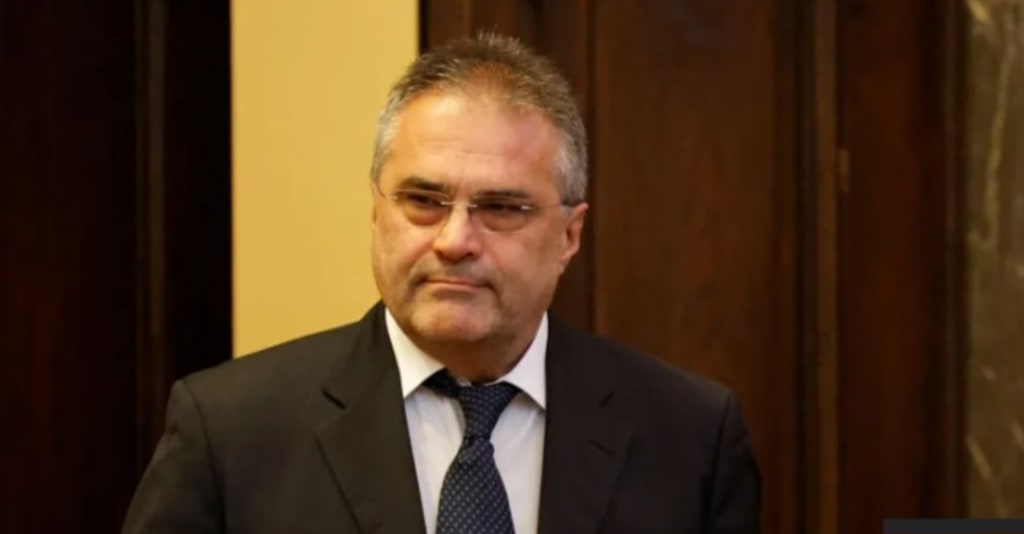
Austria, long known for its neutrality and diplomatic balancing act between East and West, has found itself at the center of an explosive espionage scandal. A former Austrian intelligence officer stands accused of betraying his country by spying for Russia, a case that has shaken public trust and reignited debate over foreign influence in Europe.
The trial, which has drawn intense media attention both inside and outside Austria, highlights how intelligence warfare continues to operate in the shadows — even in nations that pride themselves on political neutrality.
The Accusations
According to prosecutors, the accused — a retired senior military intelligence officer — secretly passed sensitive information to Russian handlers over a period spanning several years. Authorities allege that he shared classified military assessments, internal intelligence reports, and strategic analyses related to Austria and other Western countries.
Investigators claim the officer began cooperating with Russian intelligence while still in active service and continued even after retirement. In exchange, he allegedly received financial compensation, reportedly paid through discreet channels to avoid detection.
The accused has denied deliberately betraying Austria, insisting that his contacts were misinterpreted and that he never intended to harm national security. His defense argues that some of the information exchanged was outdated or not classified, challenging the prosecution’s portrayal of him as a deliberate traitor.
How the Case Came to Light
The investigation reportedly began after foreign intelligence partners alerted Austrian authorities to suspicious activity. Western intelligence agencies, increasingly concerned about Russian espionage across Europe, had been tracking covert networks believed to be operating within NATO and EU member states.
Once Austrian counterintelligence began monitoring the former officer, they allegedly uncovered patterns of encrypted communication, unusual financial movements, and regular contact with individuals believed to be linked to Russian intelligence services.
His arrest sent shockwaves through Austria’s political and military establishment. It was rare — and deeply unsettling — for someone from within the country’s intelligence community to be accused of working for a foreign power.
Austria’s Neutrality Under Scrutiny
Austria’s constitutional neutrality, established after World War II, has long positioned the country as a bridge between rival geopolitical blocs. Vienna hosts numerous international organizations and has historically maintained diplomatic relations with both Western allies and Russia.
However, critics argue that neutrality has also made Austria vulnerable to foreign intelligence operations. The presence of international institutions, diplomats, and multinational businesses provides fertile ground for espionage activities.
This case has intensified scrutiny of Austria’s counterintelligence capabilities, with opposition figures questioning whether existing safeguards are strong enough to prevent infiltration at the highest levels.
Russia’s Espionage Footprint in Europe
The trial comes amid growing concern across Europe about Russian intelligence activities. In recent years, several countries have expelled Russian diplomats, dismantled espionage networks, and increased surveillance of suspected operatives.
Security experts say Russia relies heavily on long-term human intelligence — cultivating insiders who can provide valuable insights into military planning, political decision-making, and alliance dynamics.
Unlike cyber espionage, which often grabs headlines, human intelligence cases unfold quietly and over many years, making them difficult to detect until significant damage may already have been done.
Legal and Ethical Stakes
If convicted, the former officer faces a lengthy prison sentence under Austria’s strict espionage laws. Beyond legal consequences, the case raises ethical questions about loyalty, responsibility, and the moral obligations of intelligence professionals.
For many Austrians, the idea that someone entrusted with protecting national security could secretly serve a foreign power feels like a profound breach of trust.
At the same time, civil liberties advocates caution against politicizing the case or using it to justify excessive surveillance. They stress the importance of due process and warn that espionage accusations, if mishandled, can undermine democratic principles.
Political and Diplomatic Fallout
The trial has also had diplomatic repercussions. While Russia has dismissed the allegations as exaggerated or politically motivated, relations between Vienna and Moscow have grown noticeably cooler.
European Union officials are watching the case closely, viewing it as part of a broader pattern of hybrid threats that include espionage, disinformation, and covert influence campaigns.
Some analysts believe the outcome could push Austria toward closer intelligence cooperation with EU and NATO partners, even if formal neutrality remains intact.
A Wake-Up Call for Europe
Regardless of the verdict, the case serves as a stark reminder that espionage is not a relic of the Cold War. In today’s fragmented global order, intelligence gathering remains a central tool of statecraft.
For Austria, the trial represents more than the fate of one former officer. It is a test of institutional resilience, transparency, and the ability to protect national interests in an era of silent conflict.
As proceedings continue, the public will be watching closely — not only for justice, but for reassurance that those tasked with defending the nation remain loyal to it.
About the Creator
Keep reading
More stories from Ayesha Lashari and writers in The Swamp and other communities.
Murders That Could Be Linked to 100 More Deaths
For years, the murders appeared isolated—tragic, brutal, but seemingly unconnected. Different cities. Different victims. Different methods. Police reports closed one case at a time, labeling them as crimes of passion, random violence, or unfortunate coincidences. But a growing body of evidence suggests something far more disturbing: these murders may be linked to nearly 100 additional deaths, forming a hidden pattern of violence that has gone unnoticed for decades.
By Ayesha Lashariabout 12 hours ago in The Swamp
Stocks Fall, Dollar Struggles as Trump's Greenland Gambit Rattles Markets
Global financial markets experienced heightened volatility on Monday as investors reacted to President Trump’s controversial move to pursue the purchase of Greenland, sparking renewed geopolitical uncertainty and unsettling risk sentiment. Both equities and the U.S. dollar faced downward pressure, reflecting a combination of market jitters over the potential geopolitical fallout and concerns about trade and foreign policy shifts.
By Salaar Jamali3 days ago in The Swamp
Rachel Reviews: The Spiral Archive by Pieter Hendrik
It's difficult for me to know where to start with a review of this book as it was, for me, an entirely unique experience and one that I'll probably never have again. I don't want that to be interpreted as unenjoyable but it has left me scratching my head a little and ruminating on its content, its themes and its characters.
By Rachel Deeming5 days ago in BookClub


Comments
There are no comments for this story
Be the first to respond and start the conversation.