
Chinese Drone Parts Prices for Russia Soar Since Ukraine Invasion: A Deep Dive into the Emerging Supply Crunch
Soaring Costs of Chinese Drone Parts Challenge Russia’s Military Operations in Ukraine

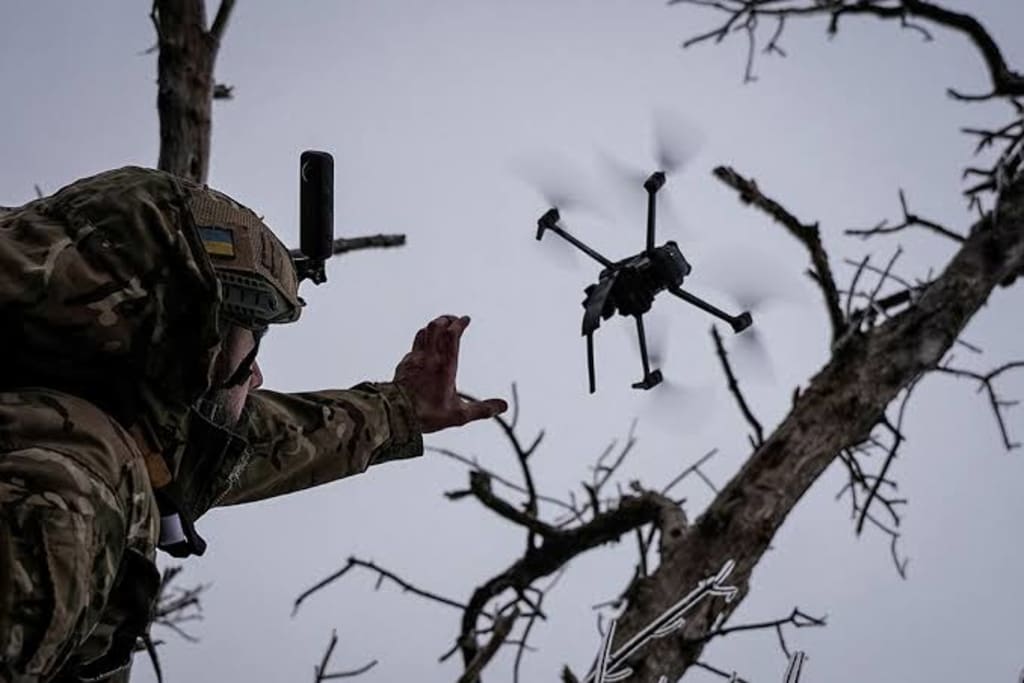
Since Russia’s invasion of Ukraine, the global drone market has witnessed unprecedented shifts, particularly regarding the supply and pricing of Chinese drone parts. Recent reports indicate that the cost of components critical for Russian unmanned aerial vehicles (UAVs) has skyrocketed, creating a ripple effect across military operations, defense logistics, and geopolitical strategy. This surge reflects both international sanctions and increased global demand, signaling a new phase in the technology-driven warfare landscape.
Rising Prices and the Supply Crunch
China has long been a key supplier of drone components, ranging from navigation systems and sensors to engines and control units. While China has maintained a complex position of officially neutral rhetoric on the Russia-Ukraine conflict, the demand for UAV components destined for Russian military applications has placed significant pressure on supply chains.
According to industry analysts, the cost of some essential drone components has increased by 50% to 70% since February 2022. Several factors have contributed to this surge:
1. Global sanctions targeting Russian imports, which indirectly affect intermediaries and logistics chains.
2. Heightened demand from countries seeking advanced UAV technology amid growing conflicts worldwide.
3. Limited production capacity, as Chinese manufacturers face export scrutiny and regulatory compliance challenges.
This price escalation has profound implications for Russia’s military operations in Ukraine, where UAVs are critical for reconnaissance, targeting, and battlefield coordination.
Impact on Russian Drone Operations
Unmanned aerial vehicles have become indispensable for modern warfare, allowing forces to conduct surveillance, carry out precision strikes, and collect real-time intelligence. The rising cost of drone parts threatens Russia’s ability to sustain large-scale UAV deployments.
Military observers note that higher component prices may force Russia to:
Scale back drone production, reducing the overall number of UAVs available on the frontlines.
Repurpose older drones or rely on less advanced models, potentially affecting operational efficiency.
Seek alternative suppliers, potentially compromising quality or increasing logistical risks.
The economic pressure on Russia’s drone supply chain illustrates a broader vulnerability in modern warfare: dependence on foreign technology for critical military assets.
China’s Strategic Position
China’s role in the UAV supply chain has drawn international attention. Beijing officially maintains that its exports are intended for civilian or dual-use purposes and insists it is not directly arming any nation in active conflict. However, the reality is nuanced: many dual-use components can easily be adapted for military applications.
By managing exports and pricing strategically, China exerts subtle influence over the battlefield without overt involvement. This creates a delicate balance for Chinese manufacturers, who must navigate domestic regulations, international scrutiny, and lucrative overseas demand.
Geopolitical Implications
The surge in drone component prices underscores the intersection of global politics, economics, and military technology. Several implications are emerging:
1. European and U.S. defense planning: Western countries are closely monitoring UAV supply chains to anticipate technological bottlenecks or disruptions that could affect the Russia-Ukraine conflict.
2. Global arms market volatility: Price spikes in critical components may drive alternative suppliers, black-market deals, or technological innovations aimed at reducing dependency on Chinese parts.
3. Diplomatic leverage: By controlling key components, China wields indirect influence over Russia’s operational capabilities, highlighting how global supply chains can serve as soft power instruments in modern conflicts.
Lessons for the Future
The situation provides important lessons for both military planners and policymakers:
Diversification is key: Countries reliant on a single supplier for critical technology face operational risks, particularly during geopolitical crises.
Domestic innovation matters: Investing in local production of drone technology can reduce vulnerability to foreign price fluctuations or export restrictions.
Global monitoring of dual-use technology: International institutions may need to update guidelines and enforcement mechanisms for dual-use items to ensure that civilian exports are not indirectly fueling conflicts.
Conclusion
The soaring prices of Chinese drone parts for Russia since the Ukraine invasion highlight the intricate connection between global supply chains, geopolitics, and modern warfare. What may appear as a commercial issue—rising component costs—has direct implications for battlefield strategy, international relations, and technological innovation.
As Russia grapples with supply constraints and rising expenses, Ukraine continues to leverage its own technological advantages, creating a dynamic battlefield shaped as much by economics as by military force. Meanwhile, China’s cautious but influential role reminds the world that in today’s conflicts, control over technology and supply chains can be as powerful as control over troops and weapons.
The drone market’s evolving dynamics underscore a critical truth: in the 21st century, warfare is no longer only about size and firepower—it’s also about access to technology, adaptability, and the economic forces that underpin modern military capabilities.
About the Creator
Fiaz Ahmed
I am Fiaz Ahmed. I am a passionate writer. I love covering trending topics and breaking news. With a sharp eye for what’s happening around the world, and crafts timely and engaging stories that keep readers informed and updated.
Keep reading
More stories from Fiaz Ahmed and writers in The Swamp and other communities.
Chevron Reduces Price for Venezuelan Oil After Tanker Seizure: Implications for Global Energy Markets
Chevron, one of the world’s largest energy companies, has announced a reduction in the price of Venezuelan crude oil following the seizure of a tanker off the coast of Venezuela. The decision reflects the increasingly complex geopolitical landscape surrounding Venezuelan oil exports and signals potential shifts in global energy markets. Analysts suggest that this move could have far-reaching consequences for oil-producing nations, multinational energy companies, and consumers worldwide.
By Fiaz Ahmed about a month ago in The Swamp
Trump Threatens Tariffs on Nations That ‘Don’t Go Along’ With Greenland Plans
When former President Donald Trump speaks about global politics, controversy often follows. His latest remarks are no exception. Trump has once again reignited international debate by threatening economic tariffs against countries that refuse to support his plans involving Greenland, a territory that has unexpectedly become a focal point in global geopolitics.
By Aqib Hussain3 days ago in The Swamp


Comments
There are no comments for this story
Be the first to respond and start the conversation.