
Trump Threatens Tariffs on Nations That ‘Don’t Go Along’ With Greenland Plans
A controversial Arctic strategy sparks global debate, diplomatic tension, and economic uncertainty
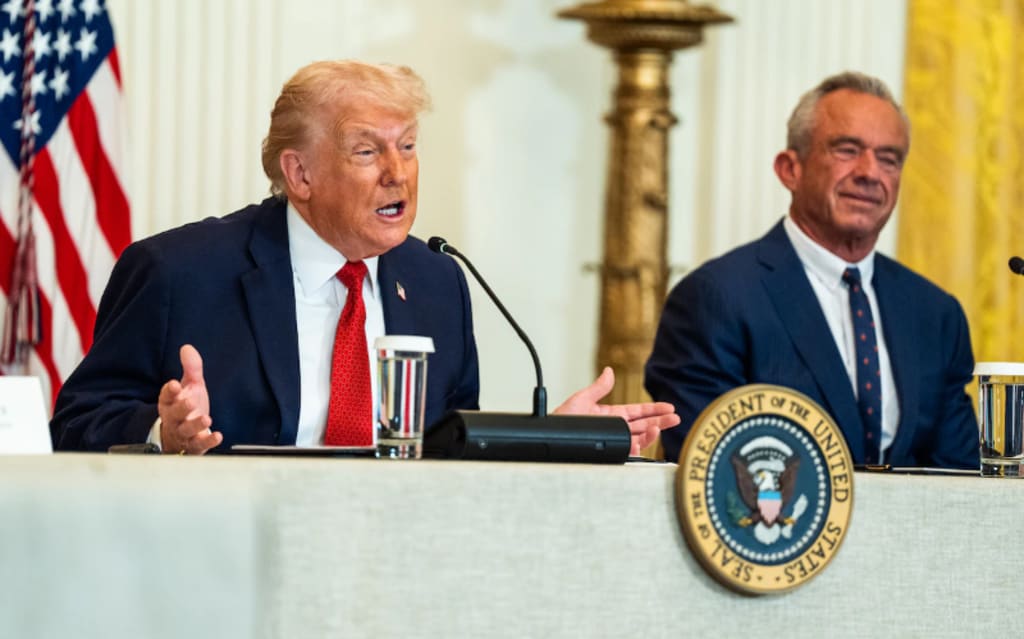
When former President Donald Trump speaks about global politics, controversy often follows. His latest remarks are no exception. Trump has once again reignited international debate by threatening economic tariffs against countries that refuse to support his plans involving Greenland, a territory that has unexpectedly become a focal point in global geopolitics.
The statement has drawn sharp reactions from allies, critics, and political analysts worldwide, raising serious questions about sovereignty, diplomacy, and the use of economic pressure in international relations.
Why Greenland Matters So Much to Trump
Greenland might seem like a remote, icy island far removed from global power struggles, but its strategic value tells a different story. Located between North America and Europe, Greenland sits along critical Arctic shipping routes and holds vast reserves of untapped natural resources, including rare earth minerals.
Trump has repeatedly argued that Greenland is essential to U.S. national security. According to him, rival powers such as China and Russia are expanding their influence in the Arctic, and the United States must act decisively to protect its strategic interests.
This isn’t Trump’s first time expressing interest in Greenland. During his presidency in 2019, he famously suggested purchasing the island from Denmark—an idea that was quickly dismissed. Now, the rhetoric has evolved into something more forceful.
Tariffs as a Political Weapon
Trump’s latest warning marks a significant shift in tone. Instead of proposing negotiations or partnerships, he openly suggested that countries refusing to “go along” with U.S. plans for Greenland could face trade tariffs.
Tariffs have long been a favored tool in Trump’s political playbook. From trade wars with China to threats against European allies during his presidency, economic pressure has often been used as leverage. However, applying tariffs to influence territorial or sovereignty-related decisions is widely seen as a drastic and unconventional move.
Critics argue that this approach blurs the line between economic policy and political coercion, potentially setting a dangerous precedent on the global stage.
Denmark and Europe Push Back
Denmark, which maintains sovereignty over Greenland while allowing it broad self-governance, has firmly rejected any suggestion of U.S. control. Greenlandic leaders themselves have also emphasized that the island is not for sale and that its future lies in the hands of its people.
European leaders have expressed concern over Trump’s comments, viewing them as an attempt to pressure allies rather than cooperate with them. In response to rising tensions, several NATO members have reinforced diplomatic and military cooperation in the Arctic, emphasizing unity and mutual defense.
For many European nations, the idea of using tariffs to influence territorial matters directly contradicts the principles of international law and alliance-based diplomacy.
International Law and Trade Concerns
Legal experts warn that threatening tariffs for political compliance could violate international trade agreements, including World Trade Organization (WTO) rules. If implemented, such measures could trigger retaliatory tariffs, legal disputes, and broader trade conflicts.
In a global economy still recovering from recent disruptions, the risk of new trade wars is a major concern. Economists caution that these actions could hurt not only targeted nations but also American consumers and businesses.
The situation highlights a growing tension between nationalist economic strategies and multilateral trade systems designed to promote cooperation and stability.
Political Reactions at Home
Back in the United States, reactions are sharply divided. Supporters applaud Trump’s assertive stance, arguing that America must protect its strategic interests in an increasingly competitive world. They see Greenland as a key asset in maintaining military and economic dominance in the Arctic.
Opponents, including members of both major political parties, argue that the strategy is reckless. They warn that alienating allies through economic threats weakens U.S. global leadership and undermines long-standing partnerships.
Some lawmakers have even proposed measures to prevent any unilateral action that could escalate tensions or violate international norms.
What This Means for the Future
Trump’s threat to impose tariffs on nations that oppose his Greenland ambitions represents more than a single political statement—it reflects a broader shift in how power, economics, and diplomacy intersect in the modern world.
If such policies were to move from rhetoric to reality, they could redefine how countries respond to territorial disputes and alliance disagreements. The Arctic, once considered a quiet and distant region, is now emerging as a key battleground for global influence.
Whether Trump’s strategy gains traction or collapses under international resistance remains uncertain. What is clear, however, is that Greenland has become a symbol of a larger struggle—one that pits economic pressure against diplomatic tradition, and national ambition against global cooperation.
About the Creator
Keep reading
More stories from Aqib Hussain and writers in The Swamp and other communities.
Blair and Rubio Among Names on Gaza ‘Board of Peace’
The international spotlight has once again turned toward Gaza following the announcement of a newly formed “Board of Peace”, a body intended to guide the territory through post-conflict recovery, governance reform, and long-term stability. What has made headlines, however, is not just the mission of the board — but who is on it.
By Aqib Hussaina day ago in The Swamp
Japan and the Philippines Sign New Defense Pact Amid Rising China Tensions
Japan and the Philippines have taken a significant step toward strengthening security cooperation by signing a new defense pact, a move widely seen as a response to growing Chinese assertiveness in the Asia-Pacific region. The agreement signals a deepening alignment between two key U.S. allies and reflects a broader shift in regional defense dynamics as nations seek to safeguard sovereignty, sea lanes, and stability. As tensions rise in the South China Sea and surrounding waters, this pact underscores how middle powers are increasingly working together to counterbalance Beijing’s expanding influence. Why This Defense Pact Matters Now The timing of the agreement is critical. In recent years, China has intensified its military activities across the Western Pacific, including frequent patrols, maritime confrontations, and expansive territorial claims. For both Japan and the Philippines, these developments have raised serious concerns about national security and freedom of navigation. Japan faces growing pressure in the East China Sea, particularly around the disputed Senkaku Islands, while the Philippines has repeatedly accused China of aggressive behavior near contested reefs and shoals in the South China Sea. These shared challenges have created strong incentives for closer military and strategic coordination. The new defense pact formalizes that cooperation, sending a clear message that Tokyo and Manila are prepared to act collectively in defense of regional order. What the Agreement Includes Although not a full military alliance, the defense pact significantly expands bilateral cooperation. Key elements include: Enhanced joint military exercises, allowing both forces to train together more frequently and realistically. Improved intelligence sharing, particularly on maritime security and regional threats. Easier access for troops and equipment, enabling smoother cooperation during exercises, humanitarian missions, or security operations. Defense capacity building, with Japan providing training and technical support to strengthen Philippine forces. This framework is designed to increase interoperability and readiness without committing either country to automatic military action. Japan’s Evolving Security Role Japan’s participation reflects a broader evolution in its defense policy. Traditionally constrained by its post-World War II pacifist constitution, Japan has gradually expanded its security role in response to changing regional threats. In recent years, Tokyo has increased defense spending, strengthened ties with regional partners, and taken a more proactive stance on security cooperation. The pact with the Philippines fits squarely within this strategy, positioning Japan as a key stabilizing force in Southeast Asia. For Japan, working closely with the Philippines also helps protect critical sea lanes through which much of its trade and energy supplies pass. The Philippines’ Strategic Calculus For the Philippines, the agreement represents an effort to diversify security partnerships beyond its long-standing alliance with the United States. While Washington remains central to Manila’s defense strategy, closer ties with Japan provide additional diplomatic leverage and military support. The Philippines has faced repeated maritime standoffs with China, including incidents involving coast guard vessels and fishing boats. By strengthening cooperation with Japan, Manila aims to deter coercive behavior and reinforce its claims under international law. This pact also reflects a broader recalibration in Philippine foreign policy, emphasizing multilateral cooperation and regional solidarity. China’s Reaction and Regional Implications Unsurprisingly, the agreement has drawn criticism from Beijing. Chinese officials have warned against what they describe as “bloc politics” and external interference in regional affairs. From China’s perspective, deeper Japan-Philippines cooperation — especially when aligned with U.S. strategy — threatens its influence and strategic freedom. However, supporters of the pact argue that it is defensive in nature and aimed at preserving stability rather than provoking confrontation. They emphasize that the agreement upholds international law, particularly the principles governing freedom of navigation and territorial sovereignty. Across Southeast Asia, the deal is being closely watched as a potential model for future security partnerships. The Broader Regional Context The Japan-Philippines defense pact is part of a larger pattern unfolding across the Indo-Pacific. Countries such as Australia, South Korea, and India are also strengthening ties through bilateral and multilateral agreements, reflecting shared concerns about regional security. These partnerships do not replace existing alliances but instead form a networked security architecture. Rather than relying on a single dominant power, countries are increasingly weaving together overlapping relationships to enhance resilience. In this sense, the pact represents a shift toward collective deterrence — where cooperation itself serves as a stabilizing force. What This Means for the Future The long-term impact of the agreement will depend on how it is implemented. Joint exercises, intelligence cooperation, and defense assistance will need to translate into tangible improvements in readiness and coordination. Politically, the pact reinforces the idea that regional security challenges require regional solutions. It also signals that countries directly affected by maritime disputes are unwilling to remain passive in the face of pressure. For China, the agreement complicates strategic calculations, as it faces a more unified and coordinated regional response. Conclusion: A Strategic Signal in Uncertain Times The new defense pact between Japan and the Philippines is more than a diplomatic formality. It is a strategic signal — one that reflects growing concern over China’s actions and a determination to uphold a rules-based regional order. By strengthening cooperation, Tokyo and Manila are asserting their shared commitment to security, sovereignty, and stability in the Asia-Pacific. While the agreement stops short of a formal alliance, its implications are clear: regional powers are increasingly willing to stand together as the balance of power continues to shift. In an era of uncertainty, this partnership may prove to be a cornerstone of future regional security.
By Muhammad Hassan3 days ago in The Swamp




Comments
There are no comments for this story
Be the first to respond and start the conversation.