
Chevron Reduces Price for Venezuelan Oil After Tanker Seizure: Implications for Global Energy Markets
Chevron Cuts Venezuelan Oil Prices After Tanker Seizure, Highlighting Geopolitical Risks and Market Shifts

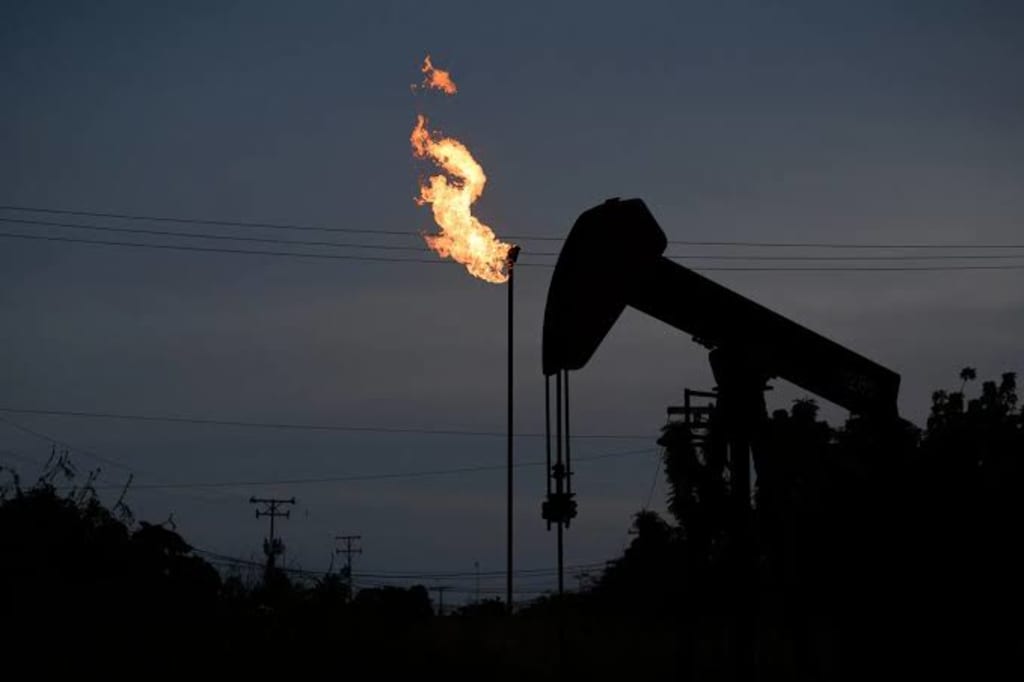
Chevron, one of the world’s largest energy companies, has announced a reduction in the price of Venezuelan crude oil following the seizure of a tanker off the coast of Venezuela. The decision reflects the increasingly complex geopolitical landscape surrounding Venezuelan oil exports and signals potential shifts in global energy markets. Analysts suggest that this move could have far-reaching consequences for oil-producing nations, multinational energy companies, and consumers worldwide.
Background: The Tanker Seizure
The recent tanker seizure involved a vessel carrying Venezuelan crude oil that was intercepted amid heightened tensions between Venezuela and the United States. The U.S. has previously imposed sanctions on Venezuela’s oil industry, citing political and human rights concerns, which have severely limited the country’s ability to export crude. The seizure underscored the ongoing challenges faced by Venezuelan oil exporters, including logistical, legal, and diplomatic hurdles.
Chevron, which has maintained a strategic presence in Venezuela for decades through joint ventures with the state-owned oil company PDVSA, was directly affected. The company faced operational uncertainty as a result of the incident, prompting it to reduce the sale price of Venezuelan crude to maintain competitiveness and secure buyers in an unpredictable market.
Strategic Rationale Behind the Price Reduction
Reducing the price of Venezuelan oil serves multiple strategic purposes for Chevron:
1. Maintaining Market Share: Lowering prices helps ensure that Venezuelan crude remains attractive to buyers despite geopolitical risks and sanctions. Competing oil producers, including Russia, Saudi Arabia, and the United States, have continued to dominate global markets, and Chevron’s price adjustment aims to retain relevance in a crowded marketplace.
2. Mitigating Operational Risks: By adjusting prices, Chevron can offset some of the financial impacts associated with the tanker seizure, such as legal costs, insurance premiums, and potential production delays. The price reduction also helps maintain steady cash flow and operational stability in a volatile region.
3. Political and Diplomatic Considerations: Chevron’s continued engagement with Venezuelan oil has always been closely monitored by U.S. and international regulators. Adjusting the price may reflect a cautious approach to maintaining compliance with sanctions while ensuring that business operations remain viable.
Impacts on Global Oil Markets
Venezuelan crude plays a relatively small but strategically important role in global oil markets due to its heavy, high-sulfur composition, which is particularly valuable for blending and refining in certain industrial processes. The price reduction by Chevron could influence regional and global oil prices in several ways:
Competitive Pressure: Other suppliers may feel pressure to adjust their pricing strategies to remain competitive, potentially influencing global oil price dynamics.
Supply Chain Shifts: Importers, particularly in Asia and Europe, may take advantage of lower-priced Venezuelan crude, altering traditional supply chains and trade patterns.
Market Volatility: Investors and traders are likely to respond to Chevron’s move, potentially causing short-term volatility in oil futures and energy markets.
Implications for Venezuela
For Venezuela, the price reduction represents a double-edged sword. On one hand, it may help secure sales in a market where geopolitical constraints have limited revenue opportunities. On the other hand, lower prices could reduce national income from oil exports, complicating the country’s efforts to stabilize its economy and fund domestic programs. Venezuelan authorities will need to carefully balance the benefits of increased exports against the financial implications of discounted crude.
Broader Geopolitical Significance
The Chevron price adjustment highlights the intricate relationship between energy markets and geopolitics. Venezuela remains a key focus for U.S. foreign policy in Latin America, while global energy security continues to depend on navigating tensions between political considerations and market demands. The tanker seizure and subsequent price changes reflect a broader trend in which multinational corporations must adapt quickly to geopolitical disruptions while balancing profitability and compliance.
Conclusion
Chevron’s decision to reduce the price of Venezuelan oil following the tanker seizure underscores the fragility and complexity of global energy markets. The move serves as a reminder that geopolitical events, corporate strategy, and market dynamics are increasingly interconnected. For Venezuela, Chevron, and the wider global oil industry, the situation highlights both risks and opportunities in a sector where political instability and market forces intersect.
As global energy demand continues to evolve and geopolitical tensions remain high, all stakeholders—including producers, consumers, and policymakers—will need to carefully navigate the challenges ahead. Chevron’s price adjustment is not merely a business decision; it is a reflection of the ongoing struggle to maintain energy security and economic stability in an unpredictable world.
About the Creator
Fiaz Ahmed
I am Fiaz Ahmed. I am a passionate writer. I love covering trending topics and breaking news. With a sharp eye for what’s happening around the world, and crafts timely and engaging stories that keep readers informed and updated.
Keep reading
More stories from Fiaz Ahmed and writers in The Swamp and other communities.
Kazakhstan’s Oil Economy Hit by Ukraine Drone Strike on Russian Assets
Kazakhstan’s oil sector has been rattled after a Ukrainian drone strike targeted Russian energy infrastructure, a move that has indirectly affected the Central Asian nation’s economy. Although the attack focused on Russian assets, Kazakhstan’s deep integration with regional oil pipelines and export routes has exposed its vulnerability to geopolitical shocks.
By Fiaz Ahmed about a month ago in The Swamp
At Least Six Killed in Pakistan as Fire Rips Through Karachi Shopping Mall
Karachi has been struck by tragedy after a massive fire ripped through Gul Plaza, one of the city’s busiest shopping malls, late on January 17, 2026. At least six people lost their lives, including a brave firefighter, while dozens more were injured. Families are still searching for loved ones, and many shopowners are left to pick up the pieces after losing their livelihoods.
By Aarif Lashariabout 19 hours ago in The Swamp


Comments
There are no comments for this story
Be the first to respond and start the conversation.