
California Governor Gavin Newsom Accuses TikTok of Suppressing Content Critical of Trump
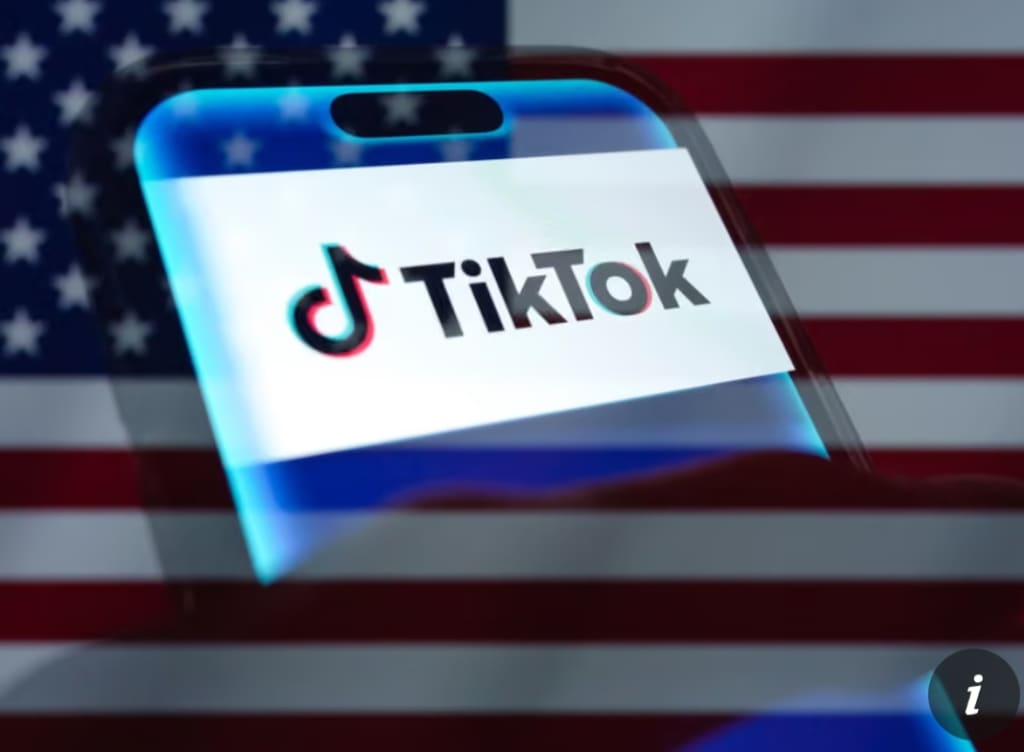
Governor Gavin Newsom has claimed that TikTok is allegedly suppressing content critical of former President Donald Trump, raising questions about social media censorship and political influence online.
Newsom Raises Concerns About TikTok
California Governor Gavin Newsom has publicly accused TikTok, the popular video-sharing platform, of restricting or suppressing content critical of Donald Trump. According to Newsom, users posting videos highlighting Trump’s policies or actions may be experiencing reduced reach or visibility, while content favoring Trump allegedly receives preferential treatment.
The claim comes amid increasing scrutiny of social media platforms and their role in shaping public opinion, particularly in the context of political content.
TikTok’s Role in Political Discourse
TikTok has grown into one of the most influential social media platforms worldwide, with millions of users sharing videos daily. While initially focused on entertainment, TikTok has become a hub for political discussion, activism, and news dissemination, particularly among younger audiences.
Experts note that the platform’s algorithm-driven feed can significantly impact which content gains traction, leading to debates about bias, censorship, and transparency. Newsom’s allegations amplify concerns over whether social media companies unfairly influence public discourse.
What Newsom Has Alleged
Governor Newsom’s statements suggest that TikTok’s algorithm may be manipulating visibility of political content. Key points from his remarks include:
Suppression of content critical of Trump, limiting reach and engagement
Alleged preferential promotion of pro-Trump content
Calls for greater transparency in how TikTok moderates and prioritizes content
While Newsom did not provide direct evidence at the press conference, his claims have sparked discussions among politicians, media analysts, and social media users.
TikTok’s Response
In response to the accusations, TikTok has maintained that its content moderation policies are politically neutral. The company emphasized that:
The platform uses automated algorithms to recommend content based on user engagement
Decisions to remove or restrict content are made according to community guidelines, not political affiliation
TikTok is committed to transparency and fairness in content moderation
Despite these assurances, critics argue that algorithmic opacity makes it difficult to verify claims of bias, leaving the public reliant on anecdotal reports.
Broader Context: Social Media and Political Bias
Newsom’s accusation is part of a larger conversation about social media’s role in politics. Platforms like TikTok, Twitter (X), Facebook, and Instagram face ongoing criticism for:
Allegedly suppressing dissenting voices
Promoting content that aligns with advertiser or political interests
Influencing voter opinions, civic engagement, and public debate
Studies suggest that algorithmic feeds can reinforce confirmation bias, meaning users are more likely to see content that aligns with their preexisting beliefs. This raises questions about democracy, free speech, and information equity.
Reactions from Politicians and the Public
Newsom’s remarks have prompted mixed reactions:
Supporters argue that social media companies need to be held accountable for potential political manipulation
Critics claim that Newsom’s accusations are politically motivated, aimed at framing TikTok as biased against Democrats
Social media users have taken to TikTok and Twitter to share their experiences with content visibility, fueling further debate
This discussion highlights the complex relationship between government, social media, and public perception in today’s digital landscape.
Legal and Regulatory Implications
Newsom’s accusations may have legal and regulatory consequences. Potential actions include:
Calls for investigations into algorithmic bias
Pressure on social media companies to disclose moderation practices
Consideration of state or federal regulations addressing transparency and political fairness
Policymakers in the US and abroad are increasingly exploring ways to balance free expression with accountability on digital platforms.
Implications for Communities and Young Users
TikTok’s influence extends particularly to younger audiences, who rely on the platform for information, entertainment, and political engagement. Suppression of critical content could:
Limit exposure to diverse viewpoints
Shape perceptions of political figures among impressionable users
Affect the democratic engagement of the next generation
Community organizations and digital literacy advocates emphasize the need for education on media bias, content moderation, and critical thinking.
The Debate Over Algorithmic Transparency
At the heart of the controversy is the opacity of social media algorithms. Unlike traditional media, where editorial decisions are public, platforms like TikTok rely on complex machine learning systems.
Critics argue that:
Users have little understanding of why content is promoted or suppressed
Algorithms can unintentionally amplify certain political perspectives
Transparency is necessary for public accountability and trust
Proponents of algorithmic transparency call for government oversight, independent audits, and public reporting, particularly for politically relevant content.
Conclusion
Governor Gavin Newsom’s claims that TikTok is suppressing content critical of Donald Trump highlight the intersections of politics, technology, and public discourse. While TikTok denies political bias, the incident raises important questions about algorithmic transparency, content moderation, and the role of social media in shaping political perception.
As debates continue, communities, policymakers, and social media users alike must grapple with how to ensure fairness, accountability, and informed civic participation in an increasingly digital world.
About the Creator
Keep reading
More stories from Aarif Lashari and writers in The Swamp and other communities.
Major Step: French MPs Vote to Ban Social Media for Under-15s,
Historic Vote in France French lawmakers recently took a major step in digital regulation by voting in favor of a bill that would ban social media platforms for children under 15. The measure, aimed at protecting young users from the risks of excessive screen time, online harassment, and exposure to inappropriate content, has been hailed as a significant move toward safeguarding youth in the digital age. The bill passed with broad parliamentary support, reflecting growing public concern over the impact of social media on children’s mental health and development. Why the Bill Was Proposed The proposed legislation comes amid increasing evidence linking social media use to negative outcomes in young people, including: Anxiety and depression caused by cyberbullying and social comparison Sleep disruption and reduced physical activity Exposure to harmful content, including violence and misinformation Potential addictive behaviors linked to excessive screen time French MPs argued that children under 15 may lack the maturity and judgment to navigate complex online environments safely, making a preventive measure necessary. Key Provisions of the Bill The new law, if enacted, will require social media platforms to implement age verification systems and ensure compliance with usage restrictions. Key provisions include: Prohibiting registration and active participation for users under 15 Enforcing parental consent mechanisms for older teenagers Imposing fines or penalties on platforms that fail to comply The bill aligns with a broader European effort to increase digital safety regulations, including stricter privacy rules and protection against harmful online content. Reaction from Parents and Educators Parents and educators have expressed strong support for the legislation. Many believe that social media can pose risks to children’s mental and emotional well-being and welcome government intervention. Parents appreciate the clarity and boundaries set by the law, seeing it as a tool to guide healthy online habits. Educators note that young children are increasingly distracted by social media, affecting learning and classroom focus. However, some critics argue that enforcing the ban may be challenging, given the widespread use of smartphones and access to apps through family devices. Social Media Companies Respond Major social media platforms have reacted cautiously to the legislation. Companies must now consider how to implement robust age verification systems without violating privacy laws or alienating users. Some platforms are exploring technological solutions, such as AI-driven age verification and parental control dashboards, but critics warn that children may find ways to bypass these measures. The law is also likely to influence social media regulation globally, as other countries watch France’s approach to protecting children online. Potential Challenges and Criticisms While the bill has been widely praised, several challenges remain: Technical enforcement: Ensuring children under 15 cannot create accounts or access content is complex. Privacy concerns: Age verification systems may require sensitive data, raising concerns about data protection. Social impact: Critics argue that limiting social media access may reduce digital literacy or social connection for young people. Despite these challenges, lawmakers insist that protecting mental health and safety takes precedence, emphasizing the long-term benefits of the legislation. Comparisons with Other Countries France is not the first country to consider restricting social media for minors, but it is among the most proactive in Europe. For example: United Kingdom: Proposals for age limits and parental consent have been debated but not fully implemented. United States: Social media platforms offer parental control features but no nationwide age ban exists. Australia: Initiatives focus on cyberbullying and digital literacy rather than full restrictions. France’s approach may serve as a model for other nations grappling with youth digital safety. Implications for Communities The law has far-reaching implications for families, schools, and digital communities: Parents may feel empowered to monitor and guide children’s online activity. Schools could integrate digital literacy programs alongside restrictions to ensure safe use. Communities may experience shifts in youth social interaction, as alternative offline activities are encouraged. Experts highlight that legislation alone cannot solve all issues, stressing the importance of education, dialogue, and community support in raising digitally responsible children. Public Debate and Future Steps The vote has sparked nationwide debate, with supporters emphasizing child protection and mental health, while opponents caution about freedom of choice and practical implementation. The next steps include: Final approval in the upper house of Parliament Collaboration with social media companies to develop compliant systems Public education campaigns to help families navigate the new regulations If enacted, the law would mark a historic shift in digital policy, reinforcing France’s commitment to protecting young users in an increasingly online world. Conclusion The decision by French MPs to vote in favor of banning social media for children under 15 is being hailed as a major step in child protection and digital safety. While challenges in enforcement and privacy remain, the legislation reflects growing societal concern over the impact of social media on youth mental health, education, and development. As the bill moves through further legislative processes, families, educators, and communities will need to adapt to new standards, ensuring that children can enjoy the benefits of technology without being exposed to unnecessary risks. France’s approach could also inspire global discussions about digital safety, serving as a potential blueprint for countries seeking to balance connectivity with child protection.
By Aarif Lashariabout 22 hours ago in The Swamp
Labour MP's Letter
Labour MPs described their mood in a letter to Sir Keir Starmer as "anxious and angry". Or to quote the full sentence, the 50 MPs who put their signatures to this letter said the blocking of Andy Burnham from standing in the Gorton and Denton by-election had caused them a "huge amount of anxiety and anger".
By Nicholas Bishopabout 19 hours ago in The Swamp
IHC Questions Fairness as Imran Khan’s X Account Case Proceeds Without Lawyer Access
The Islamabad High Court’s (IHC) recent query over how proceedings related to former Prime Minister Imran Khan’s X (formerly Twitter) account can continue without granting him access to legal counsel has reignited a national debate on due process, digital rights, and the rule of law in Pakistan. The case, centered on the alleged misuse of a social media account attributed to Imran Khan, goes beyond one individual and touches the core of constitutional guarantees in the digital age.
By Fiaz Ahmed 7 days ago in The Swamp



Comments
There are no comments for this story
Be the first to respond and start the conversation.