
British Retail Sales Jump as Online Jewellery Firms Offer Surprise Christmas Sparkle
“Online jewellery retailers help lift UK Christmas spending as shoppers seek meaningful gifts”

British retail sales received an unexpected boost in December as online jewellery firms delivered a surprise Christmas sparkle, helping lift overall consumer spending during the crucial festive period. New data shows that while many traditional retail sectors continued to struggle with inflation and cautious shoppers, jewellery sales—particularly online—stood out as a rare success story.
A Festive Lift for UK Retail
December is typically the most important month for retailers, and in 2025 it proved to be a mixed bag. According to industry analysts, overall British retail sales rose more than expected, largely driven by strong performance in online shopping categories. Among them, jewellery emerged as one of the fastest-growing segments.
Consumers, facing ongoing cost-of-living pressures, appeared to prioritize meaningful, lasting gifts over impulse purchases. Jewellery—often seen as personal, sentimental, and enduring—fit perfectly into this mindset.
Retail experts noted that the growth was not limited to luxury brands. Mid-range and affordable online jewellery retailers also saw a surge in demand, suggesting that shoppers across income levels participated in the trend.
Why Online Jewellery Outperformed
Several factors contributed to the standout performance of online jewellery firms during the Christmas season:
Convenience: Online platforms allowed shoppers to browse, compare, and purchase gifts without the stress of crowded high streets.
Competitive Pricing: Digital-first brands often offered better value, discounts, and flexible payment options.
Targeted Marketing: Social media campaigns, influencer partnerships, and personalized ads helped jewellery brands reach last-minute shoppers.
Improved Delivery Services: Faster shipping and guaranteed Christmas delivery increased consumer confidence.
Many retailers also invested heavily in mobile-friendly websites and easy returns, reducing hesitation among buyers purchasing high-value items online.
Changing Consumer Priorities
Analysts believe the rise in jewellery sales reflects a broader shift in consumer behavior. Rather than spending heavily on multiple smaller gifts, shoppers increasingly focused on one or two meaningful purchases.
“Jewellery feels special. It’s not just a product—it’s an emotional gift,” said retail analyst Claire Thompson. “In uncertain times, people want to give something that lasts and carries personal value.”
This sentiment-driven spending helped offset declines in other retail categories such as clothing and homewares, which saw more modest growth.
Impact on the High Street
While online jewellery firms flourished, many brick-and-mortar retailers continued to face challenges. Footfall in some UK high streets remained below pre-pandemic levels, despite holiday promotions and extended opening hours.
However, some traditional jewellers with strong online platforms also benefited, demonstrating the importance of omnichannel retail strategies. Stores that combined physical presence with efficient e-commerce operations performed significantly better than those relying solely on in-person sales.
Industry bodies argue that the December data highlights the urgent need for UK retailers to adapt digitally or risk falling further behind.
Economic Context
The festive sales boost came amid a complex economic backdrop:
Inflation eased slightly toward the end of the year, giving consumers marginal breathing room.
Interest rates remained relatively high, encouraging cautious spending.
Household budgets were still under pressure from energy and housing costs.
Despite these challenges, consumers were clearly willing to spend on items they perceived as worthwhile and emotionally significant, such as jewellery.
Economists suggest this selective spending pattern may define retail trends well into 2026.
Small Businesses and Independent Brands Benefit
One notable feature of the jewellery sales boom was the success of independent and small online brands. Platforms such as Etsy-style marketplaces and direct-to-consumer websites allowed smaller firms to compete with established names.
These businesses benefited from:
Unique, handmade, or personalized designs
Strong storytelling around craftsmanship and ethics
Direct engagement with customers through social media
For many independent jewellers, December was their strongest month of the year, providing a financial cushion for the months ahead.
What This Means for 2026
Retail experts believe the December surge offers important lessons for the year ahead:
Online-first strategies are essential, even for traditionally in-store categories like jewellery.
Emotional value matters as much as price in consumer decision-making.
Festive performance can reshape annual outcomes, particularly for niche sectors.
However, analysts also warn that one strong month does not guarantee long-term recovery for the wider retail industry. Sustained growth will depend on economic stability, wage growth, and continued innovation in digital retail.
Conclusion
The jump in British retail sales this Christmas was powered by an unlikely hero: online jewellery firms. By offering convenience, value, and emotionally resonant products, they delivered a surprise sparkle that lifted consumer spending at a crucial time.
As UK retailers look ahead to 2026, the festive season has sent a clear message—shoppers are still willing to spend, but only on products that feel meaningful, accessible, and worth the investment. For the jewellery sector, and for digital retail more broadly, December’s success may shine as a blueprint for future growth.
About the Creator
Keep reading
More stories from Aarif Lashari and writers in The Swamp and other communities.
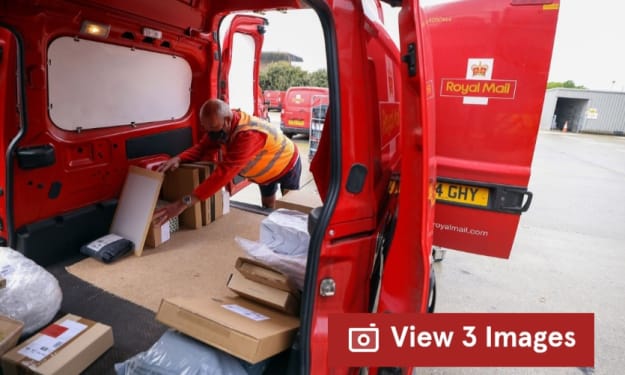
Royal Mail Warns Customers It May ‘Suspend Deliveries to Your Address’
Royal Mail has issued a warning to certain customers, indicating that it may temporarily suspend deliveries to specific addresses under certain circumstances. This announcement has raised concerns among residents and businesses alike, highlighting the challenges facing postal services in the UK amid rising operational pressures.
By Aarif Lashariabout 15 hours ago in The Swamp
Heathrow Scraps 100ml Liquid Container Limit
In a significant shake-up of air travel rules, Heathrow Airport has announced that it will scrap the longstanding 100ml liquid container limit for passengers. The new policy, which applies to all domestic and international travelers, represents a major departure from a rule that has been in place for nearly two decades. The change is expected to speed up security lines, reduce passenger frustration, and modernize the airport experience while maintaining safety standards.
By Muhammad Hassanabout 21 hours ago in The Swamp
Why the Govt's Approval for 114 French Dassault Rafales Raises Questions
India’s recent approval for the purchase of 114 Dassault Rafale fighter jets from France has reignited discussions about defense planning, procurement processes, and the balance between national security and fiscal responsibility. While the government frames this as a step toward modernizing the Indian Air Force (IAF), critics are questioning whether this massive acquisition is entirely justified or if it masks deeper strategic and operational issues. The Rafale Deal in Context The Rafale deal is one of the largest defense procurements in India’s history, valued at over $15 billion. The aircraft, built by French aerospace giant Dassault Aviation, is considered one of the most advanced multi-role fighters in the world, equipped with state-of-the-art avionics, weapons systems, and stealth capabilities. India has already inducted a batch of these jets, and the government’s approval now paves the way for the remaining 114 to be produced and delivered. Proponents argue that Rafales will significantly enhance India’s air combat capabilities, particularly in high-altitude operations along the northern borders with China and in countering aerial threats from Pakistan. The jets’ ability to carry advanced missiles and precision-guided munitions makes them a formidable addition to the IAF’s fleet. Questions About Costs and Procurement Despite the strategic rationale, several questions remain. Critics highlight the high cost per aircraft, which far exceeds what India spends on domestic fighter programs such as the HAL Tejas. While Rafales offer advanced technology, the steep price tag raises concerns about whether such large-scale imports strain India’s defense budget and divert funds from domestic development programs. Moreover, the approval process itself has drawn scrutiny. Transparency advocates argue that the government’s decision-making lacks sufficient public disclosure and debate. Questions have been raised about how costs were negotiated, why offset agreements with French companies have not fully materialized, and whether India could have leveraged more local manufacturing to reduce expenses and foster the domestic defense industry. Domestic Defense Industry Implications India has invested heavily in indigenous defense production under initiatives like “Make in India”, aiming to reduce dependence on foreign suppliers and build local expertise. Critics of the Rafale deal argue that approving 114 foreign jets sends a mixed message to domestic manufacturers. HAL, India’s primary defense aerospace company, has been developing the Tejas fighter and has faced delays due to technical challenges and budget constraints. By purchasing a large number of foreign jets, some fear that local projects may be deprioritized, slowing India’s long-term goal of self-reliance in defense technology. Supporters counter that Rafales are needed immediately to address capability gaps while domestic programs catch up. They point out that indigenous jets like the Tejas cannot yet match the operational readiness, range, or payload of the Rafale, and that the imported jets complement rather than replace domestic efforts. Strategic Significance and Regional Dynamics Beyond cost and procurement concerns, the Rafale acquisition has geopolitical implications. France has been a key defense partner, and the deal strengthens Indo-French relations in the face of evolving security challenges in South Asia and the Indo-Pacific. The jets enhance India’s deterrence posture against potential adversaries and signal India’s commitment to modernizing its armed forces. However, critics caution that such acquisitions must be balanced with broader defense strategy. They argue that focusing on high-end fighters like Rafales may overlook other critical areas such as unmanned aerial vehicles, cyber defense, naval aviation, and ground-based air defense systems. A holistic approach, they contend, is essential to address the full spectrum of modern warfare threats. Public Debate and Accountability The approval of 114 Rafales also raises questions about democratic accountability in defense spending. Large-scale defense deals often involve classified details, but citizens and defense analysts stress the need for transparent justification, oversight by parliamentary committees, and adherence to ethical procurement practices. Public debate ensures that such multimillion-dollar acquisitions serve national interests rather than becoming politically motivated or financially opaque decisions. Conclusion India’s decision to approve 114 Rafale jets undoubtedly strengthens the IAF’s capabilities and bolsters strategic ties with France. Yet, it also highlights enduring debates over cost-effectiveness, domestic defense industry development, procurement transparency, and long-term strategic planning. As the Rafales gradually join the fleet, India will need to balance immediate defense needs with the broader goal of building a self-reliant, technologically advanced military. The Rafale deal is more than a transaction—it is a litmus test for India’s defense policy, industrial strategy, and governance. The government must ensure that while India soars with these cutting-edge jets, it does not lose sight of the bigger picture: developing indigenous capabilities, maintaining fiscal prudence, and preparing comprehensively for the complex security landscape of the 21st century.
By Fiaz Ahmed Brohi6 days ago in The Swamp
Affection and Healing for Yourself
During the night of the last quarter moon, I gathered my ritual supplies. I carefully handled the chunk of black tourmaline that would protect me from your overall negative and narcissistic energy. I carefully walked the house with my stick of selenite in hand, asking the universe to cleanse our working space.
By Alisha Wilkins ✒️🦋🖋️4 days ago in Fiction


Comments
There are no comments for this story
Be the first to respond and start the conversation.